Author

Zachary Hansen

Advertising

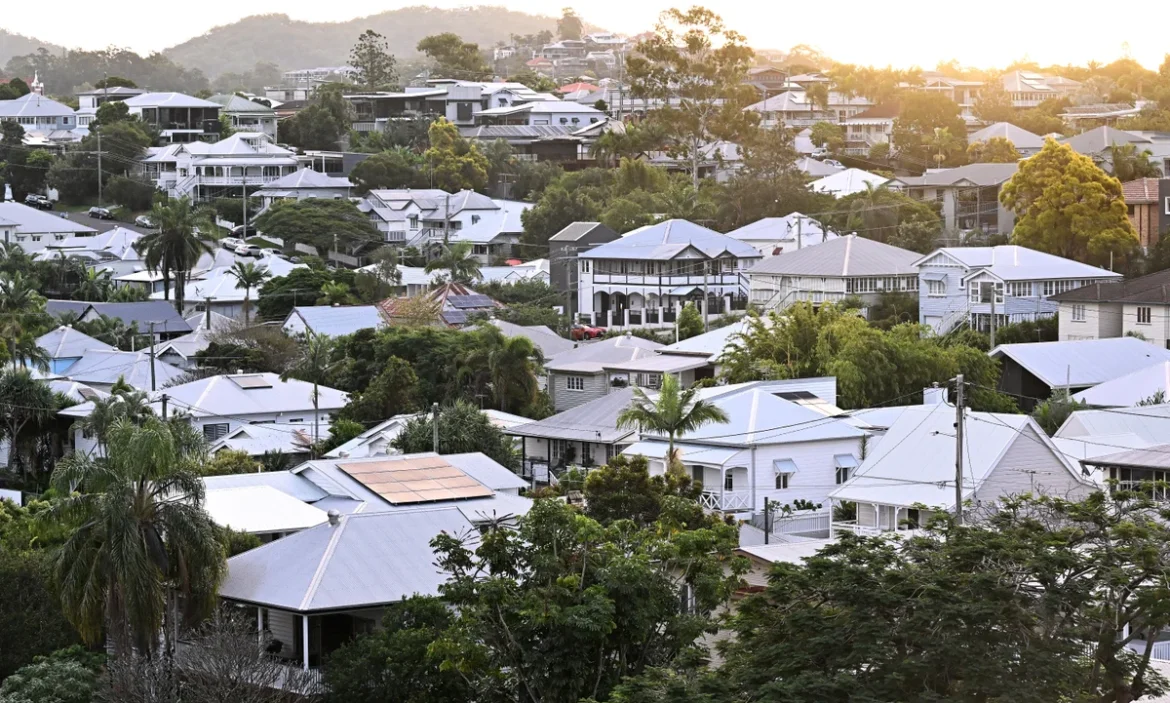
Australia’s major cities are evolving at a remarkable pace, driven in large part by population growth. Sydney, Melbourne, Brisbane, and Perth have seen substantial increases in residents over the past decade, reshaping urban landscapes, housing markets, infrastructure demands, and social dynamics. While population growth brings economic vitality, cultural diversity, and innovation, it also introduces challenges in transport, housing affordability, environmental sustainability, and urban planning. Understanding how growth reshapes cities is essential for policymakers, businesses, and residents alike.

Population Trends Across Major Cities

Australia’s population has grown steadily over the last ten years, averaging around 1.5% per year, though growth rates vary by city. Sydney and Melbourne, the two largest metropolitan areas, have absorbed the majority of new residents, driven by domestic migration from other states, international migration, and natural population increase.

Brisbane and Perth have also experienced significant growth, fueled by interstate migration and economic opportunities in resources, technology, and services. Regional cities such as Hobart and Darwin have seen smaller, but notable, increases, reflecting shifts in lifestyle preferences and housing affordability.

The growth has not been uniform. International migration patterns, influenced by education, work opportunities, and visa policies, have concentrated growth in specific neighborhoods, while other areas expand more slowly. Sydney’s western suburbs, Melbourne’s outer northern regions, and Brisbane’s growth corridors illustrate the uneven distribution of population growth within urban areas.

Urban Density and Housing Pressure

Rapid population growth has intensified pressure on housing markets. In Sydney and Melbourne, high demand has driven property prices to record levels, affecting affordability for first-time buyers and renters. According to CoreLogic data, median house prices in Sydney exceed AUD 1.3 million in 2025, while Melbourne’s median hovers around AUD 1.1 million.

High demand has prompted the development of high-density housing, particularly in inner-city suburbs and along transport corridors. Apartment complexes, mixed-use developments, and townhouses have become more common, reshaping skylines and neighborhood dynamics. While density solutions address space limitations, they also raise concerns about overcrowding, infrastructure strain, and quality of life.

In contrast, outer suburban areas and growth corridors face challenges with urban sprawl. New developments often require significant investment in roads, schools, hospitals, and public transport, creating pressure on local governments to deliver services efficiently. Balancing high-density urban infill with suburban expansion is a central tension in contemporary city planning.

Infrastructure and Transport Challenges

Population growth magnifies the demand for infrastructure, particularly transport. Commuter congestion, overcrowded trains and buses, and increased road traffic are common in Sydney, Melbourne, and Brisbane. For example, Melbourne’s City Loop and Sydney’s North Shore rail lines experience peak-hour crowding that strains both systems and commuters’ patience.

Governments have responded with major infrastructure projects: Sydney’s Metro expansion, Melbourne’s Suburban Rail Loop, Brisbane’s Cross River Rail, and Perth’s Metronet are all designed to accommodate growing populations and improve connectivity. Road expansions, cycleways, and bus networks also aim to relieve congestion and support sustainable transport options.

Beyond transport, population growth pressures utilities, healthcare facilities, schools, and recreational spaces. Ensuring adequate water supply, electricity, waste management, and hospital capacity requires long-term planning and investment. Cities must anticipate growth patterns to prevent infrastructure lag, which can compromise quality of life and economic productivity.

Pages: 1 2

Tourism has long been a cornerstone of Australia’s economy, contributing significantly to GDP, employment, and regional development. From the iconic beaches of Bondi and the Great Barrier Reef to the rugged landscapes of the Outback and Tasmania’s wilderness, the country has attracted millions of visitors from around the world. However, the COVID-19 pandemic dramatically disrupted global travel, grounding flights, closing borders, and forcing the tourism industry into an unprecedented period of contraction.

As the world gradually emerges from the pandemic, Australia’s tourism sector is navigating its place in a complex global recovery. Understanding how international trends, domestic policies, and changing traveler expectations intersect provides insight into the challenges and opportunities that lie ahead.

The Pre-Pandemic Landscape

Before the pandemic, tourism was one of Australia’s fastest-growing sectors. According to Tourism Australia, international visitors numbered over 9 million in 2019, contributing more than AUD 45 billion to the economy. Key markets included China, the United States, the United Kingdom, and New Zealand, each with distinct travel patterns and preferences.

Domestic tourism was equally significant. Australians frequently traveled within their own country, exploring both metropolitan centers and regional destinations. Domestic travel accounted for nearly 60% of total tourism revenue, cushioning the industry somewhat against international shocks.

Popular experiences ranged from urban attractions—museums, entertainment, and fine dining—to nature-based tourism such as snorkeling the Great Barrier Reef, hiking in national parks, or exploring wine regions. The combination of natural beauty, cultural experiences, and modern infrastructure positioned Australia as a premium destination for international travelers.

The Impact of COVID-19

The onset of the pandemic in early 2020 brought tourism to a near-standstill. Border closures, quarantine requirements, and global travel restrictions virtually eliminated international arrivals. According to the Australian Bureau of Statistics, international visitor numbers plummeted by over 95% in 2020 compared to 2019.

Domestic tourism, while more resilient, also suffered. Lockdowns, state border closures, and social distancing measures reduced travel frequency and spending. Regional tourism-dependent towns, such as those in the Great Ocean Road region, Byron Bay, and parts of Tasmania, experienced severe economic impacts. Hospitality, airlines, and tour operators faced mass layoffs and business closures, while accommodation providers reported unprecedented vacancy rates.

The pandemic underscored Australia’s reliance on international visitors, particularly from Asia, and exposed vulnerabilities in regions dependent on tourism-driven employment. It also accelerated trends such as digital booking platforms, contactless services, and experiential travel, which continue to shape recovery strategies.

Australia’s Global Position Post-Pandemic

As borders reopen, Australia is reclaiming its place in global tourism, though the recovery is uneven. Key factors influencing its positioning include:

  1. Geographic Distance and Travel Costs
    Australia’s location, far from major population centers in Europe and North America, makes international travel more expensive and time-consuming. While this has always been a factor, post-pandemic travelers are more cost-conscious, seeking value alongside experiences.

  2. Strong Domestic Market
    The domestic tourism market has been a crucial driver of recovery. Australians increasingly explore local destinations, discovering regional attractions and diversifying tourism revenue streams. This shift has strengthened community-based tourism and encouraged investment in regional infrastructure, accommodation, and experiential offerings.

  3. Global Competition
    Countries worldwide are vying for returning tourists. Southeast Asia, Europe, and North America have rolled out aggressive marketing campaigns, travel incentives, and health measures to attract visitors. Australia’s challenge is to highlight its unique natural and cultural assets while remaining competitive in pricing and accessibility.

  4. Health and Safety Reputation
    Australia’s effective handling of COVID-19, robust healthcare infrastructure, and high vaccination rates have become selling points for cautious travelers. Safe travel experiences are now central to destination choice, influencing airline partnerships, accommodation selection, and tour planning.

Shifts in Traveler Preferences

Tourists’ expectations have evolved during the pandemic, and Australia is adapting to meet new demands:

  • Nature and Outdoor Experiences: Visitors increasingly seek open-air, socially distanced activities. National parks, beaches, and eco-tourism sites have seen surges in interest.

  • Wellness and Slow Travel: Longer stays in regional areas, wellness retreats, and immersive experiences reflect a preference for mindful, lower-intensity travel.

  • Digital and Contactless Services: Online booking, self-guided tours, and cashless payments are now standard expectations. Tourism operators must continue investing in digital infrastructure to remain competitive.

  • Sustainable and Responsible Tourism: Travelers are more environmentally conscious, favoring destinations and providers with strong sustainability credentials. Eco-lodges, reef conservation tours, and wildlife protection initiatives resonate with this audience.

Recovery Challenges

Despite positive momentum, several challenges affect Australia’s tourism recovery:

  • Labor Shortages: Airlines, hotels, and tour operators face staffing shortages due to pandemic-related layoffs, visa restrictions, and a delayed return of international workers.

  • Rising Costs: Fuel prices, accommodation costs, and general inflation affect both operators and tourists, potentially limiting discretionary spending.

  • Climate Events: Bushfires, floods, and heatwaves continue to threaten destinations and infrastructure, sometimes prompting travel cancellations.

  • Visa and Entry Policies: Streamlined visa processes and clear health protocols are essential to attract international visitors. Complex or restrictive policies can reduce competitiveness compared to other destinations.

Regional Tourism Growth

One of the most striking aspects of Australia’s post-pandemic recovery is the growth of regional tourism. With international travel initially restricted, Australians explored domestic destinations more than ever. Towns and regions previously reliant on international arrivals have benefited, with renewed investment in accommodation, dining, and attractions.

Examples include:

  • The Great Ocean Road, Victoria: Increased domestic visitation led to business expansion and infrastructure upgrades.

  • Byron Bay, New South Wales: Wellness and cultural tourism boomed, as Australians sought boutique experiences closer to home.

  • Tasmania: Nature-based tourism grew sharply, with visitor numbers exceeding pre-pandemic expectations during peak seasons.

Regional tourism not only supports local economies but also alleviates pressure on urban centers, spreading economic benefits more evenly across the country.

Strategic Initiatives for Recovery

Tourism Australia and state governments have implemented strategies to position the nation favorably in global recovery:

  • Marketing campaigns targeting key international markets with clear messaging about Australia’s unique attractions.

  • Investment in regional infrastructure, from airports to accommodations, to accommodate higher visitor numbers.

  • Partnerships with airlines and travel platforms to improve connectivity and visibility of Australian destinations.

  • Support for sustainable tourism practices to align with global traveler expectations and long-term environmental goals.

These initiatives aim to enhance the country’s competitiveness while fostering resilience against future disruptions.

Pages: 1 2

Advertising

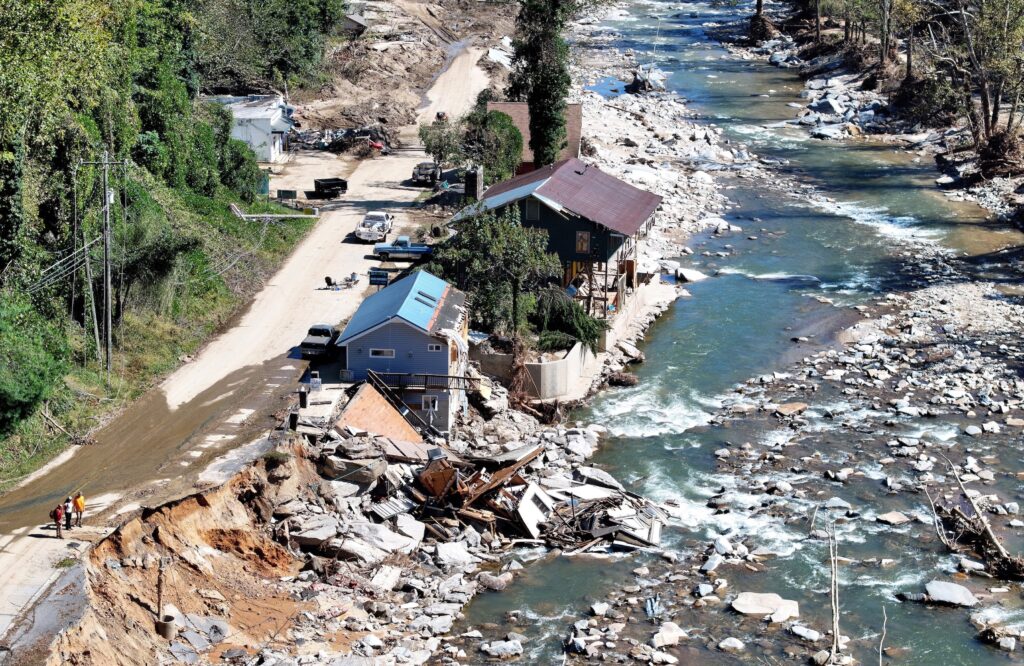
Australia has always been a land of extremes, from scorching heatwaves to intense storms, floods, and bushfires. Yet, in recent years, the frequency, intensity, and disruptive impact of these weather events have increased dramatically. Homes, businesses, infrastructure, and communities are feeling the consequences, prompting urgent discussions about climate resilience, emergency management, and long-term adaptation strategies.

The growing disruption is not just a result of natural variability. Human-driven climate change, urbanization, and global interconnections amplify the impacts of extreme weather, creating challenges for individuals, industries, and governments alike. Understanding why these events are becoming more disruptive is essential for preparing for the future and mitigating both economic and social costs.

The Rising Frequency of Extreme Events

One of the most noticeable trends is the increasing frequency of extreme weather events. According to the Bureau of Meteorology (BoM), Australia has experienced a significant rise in the number of heatwaves, heavy rainfall events, and intense storms over the past two decades.

  • Heatwaves: Average temperatures have increased across much of the continent. Record-breaking heatwaves, such as those in 2019 and 2023, not only endanger lives but also strain energy systems, increase water demand, and reduce labor productivity.

  • Bushfires: The 2019–2020 Black Summer bushfires burned over 18 million hectares, destroyed thousands of homes, and claimed dozens of lives. Scientists link the severity of these fires to prolonged droughts, hotter temperatures, and strong winds, conditions exacerbated by climate change.

  • Floods and storms: Severe flooding events in Queensland, New South Wales, and Victoria have destroyed property, disrupted transportation networks, and displaced thousands of residents. Record rainfall in 2022 led to extensive urban and rural flooding, demonstrating the vulnerability of both metropolitan and regional areas.

These events are no longer isolated incidents—they are part of a pattern of increasing intensity and frequency, making preparation and response more challenging.

Urbanization and Vulnerability

Australia’s growing population and urban expansion have amplified the disruptive effects of extreme weather. Coastal and riverside cities such as Sydney, Brisbane, and Melbourne have seen significant development in flood-prone areas, while suburban sprawl increases exposure to heatwaves and storms.

Infrastructure that was adequate decades ago is often ill-equipped to handle modern extremes. Roads, bridges, and drainage systems may fail under intense rainfall, while older buildings struggle to withstand cyclones or bushfire embers. Even energy networks face stress: during heatwaves, electricity demand peaks, leading to blackouts or the need for rolling power outages, as seen in major cities during record hot spells.

Climate Change as a Multiplier

Scientific research indicates that human-induced climate change is a key driver of increasingly disruptive weather. Rising global temperatures intensify heatwaves, lengthen fire seasons, and increase the likelihood of severe storms. Warmer oceans contribute to stronger cyclones and extreme rainfall events.

Climate change acts as a multiplier: natural weather variability interacts with higher baseline temperatures, altered rainfall patterns, and changing ocean currents, producing events that are more severe and damaging than those historically experienced. This has profound implications for sectors ranging from agriculture and energy to insurance and urban planning.

Economic and Social Costs

The economic toll of extreme weather events is staggering. According to Insurance Australia Group (IAG) and the Insurance Council of Australia, the annual cost of natural disasters in Australia has risen to tens of billions of dollars, factoring in property damage, business interruption, and emergency response.

  • Agriculture: Farmers face crop losses due to droughts, floods, or unseasonal frost, threatening food supply chains and local economies. The 2020–2021 floods in eastern Australia destroyed crops across hundreds of thousands of hectares, resulting in significant financial strain for producers.

  • Business and industry: Manufacturing plants, retail outlets, and service providers often halt operations during extreme events. Disruptions to supply chains—both domestic and global—translate into lost revenue and increased costs.

  • Households: Homes in high-risk areas experience property damage, displacement, and increased insurance premiums. Heatwaves drive up electricity bills, while flood-prone areas face repeated rebuilding costs.

The social impact is equally concerning. Displacement, mental health challenges, and community fragmentation are common after severe events. Vulnerable populations, including the elderly, low-income households, and those in remote areas, are disproportionately affected, highlighting issues of equity and resilience.

Pages: 1 2

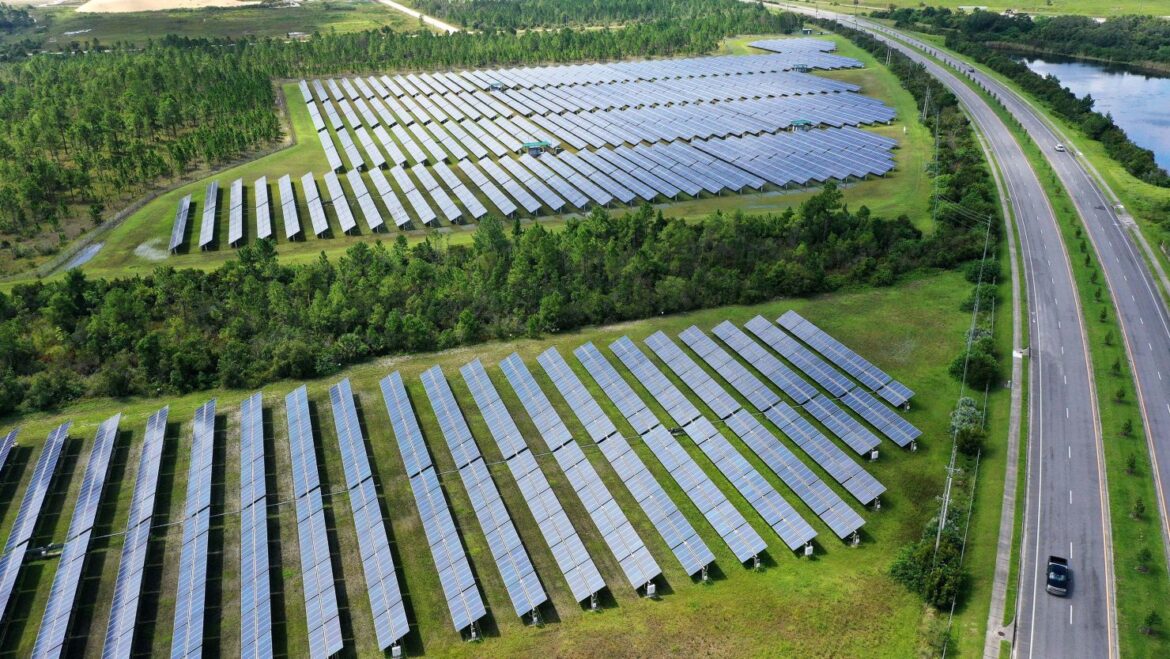
Australia’s energy landscape has undergone significant transformation over the past ten years. Once heavily reliant on coal-fired power generation, the country has seen a marked shift toward renewable energy sources, reflecting both global trends and domestic policy priorities. This shift has reshaped electricity generation, influenced household energy costs, altered investment strategies, and sparked debate about energy reliability, sustainability, and the pace of transition.

Understanding how Australia’s energy mix has evolved provides insight into the broader implications for households, businesses, and policymakers. It also highlights the complex balancing act between affordability, environmental responsibility, and energy security that continues to shape the nation’s energy strategy.

The Traditional Energy Mix

For much of the 20th century and into the early 2010s, Australia’s electricity generation was dominated by coal. Black coal in New South Wales and brown coal in Victoria powered the majority of homes and industries, providing a stable and reliable source of electricity. Coal-fired power plants were relatively inexpensive to operate, widely distributed across the country, and formed the backbone of the national energy system.

Gas also played a role, particularly in peak demand and industrial applications. Hydroelectricity contributed a smaller, yet important share, mostly concentrated in Tasmania and parts of Victoria. Renewable sources such as solar and wind were minimal, representing only a fraction of total generation.

This heavy reliance on fossil fuels made the country vulnerable to global coal market fluctuations, climate-related disruptions, and growing international pressure to reduce carbon emissions.

The Rise of Renewables

Over the past decade, Australia has experienced a remarkable surge in renewable energy generation, primarily through solar and wind. Several factors have driven this transition:

  1. Government Policy and Incentives
    Federal and state governments introduced policies to encourage renewable energy investment. The Renewable Energy Target (RET), which set mandatory generation quotas from renewable sources, incentivized wind and solar projects. Grants, feed-in tariffs, and tax incentives further accelerated adoption, particularly for rooftop solar installations on homes and businesses.

  2. Technological Advances
    Improvements in solar panel efficiency, wind turbine design, and battery storage technology have reduced costs and increased the viability of renewables. Rooftop solar, once a niche option, became increasingly accessible, allowing households to generate their own electricity and contribute to the grid.

  3. Public and Corporate Pressure
    Consumer awareness of climate change, alongside corporate commitments to sustainability, created market demand for clean energy. Companies investing in solar and wind farms helped expand renewable capacity, while households embraced rooftop solar both as an environmental choice and a way to reduce electricity bills.

As a result, the share of renewables in Australia’s energy mix has grown from around 13% in 2010 to over 35% by 2023, according to the Australian Energy Market Operator (AEMO). Wind and rooftop solar are now the fastest-growing segments, with utility-scale solar farms increasingly contributing to national generation.

The Decline of Coal

While renewables have expanded, coal’s share of electricity generation has declined. Several factors have contributed:

  • Aging Infrastructure: Many coal-fired power plants built in the 1970s and 1980s are nearing the end of their operational lives, leading to closures or reduced output.

  • Maintenance Costs: Older coal plants require more frequent maintenance and are less efficient than modern facilities, making them more expensive to operate relative to renewables.

  • Environmental Policies: Carbon pricing discussions, emission reduction targets, and state-level environmental regulations have increased operational costs for coal generation.

Despite this decline, coal still provides around 60% of Australia’s electricity, serving as a critical backbone for reliability and base-load power, particularly during periods of high demand or low renewable output.

Natural Gas and Other Sources

Natural gas has maintained a relatively stable role in the energy mix, particularly in balancing supply during peak demand and supporting industrial needs. Gas-fired power stations offer flexible generation that complements intermittent renewable sources, filling gaps when solar or wind output is insufficient.

Hydroelectricity continues to contribute modestly, with Tasmania’s hydro system providing both generation and grid stability. Emerging technologies, such as bioenergy and small-scale storage solutions, are gradually entering the mix, although they remain limited in overall contribution.

Rooftop Solar and Household Energy

Rooftop solar has revolutionized household energy consumption in Australia. In 2013, only around 7% of homes had solar panels. By 2023, over 35% of Australian households have adopted rooftop solar, with higher penetration in Queensland, South Australia, and New South Wales.

This shift has implications for energy pricing and grid management. Households with solar systems can reduce reliance on grid electricity during daylight hours, lowering bills and sometimes selling excess energy back to the network. However, high penetration of rooftop solar introduces challenges for grid stability, requiring investments in smart meters, energy storage, and demand management systems.

Pages: 1 2

Advertising

In an increasingly interconnected world, the prices Australians pay for everyday goods—from groceries to electronics—are shaped by forces far beyond their neighborhoods. Global supply chains, intricate networks linking raw materials, manufacturers, distributors, and retailers across continents, remain a central driver of local price fluctuations. While Australians may perceive rising costs as a domestic issue, the reality is that international events, trade policies, and logistics challenges reverberate all the way to local supermarket shelves, hardware stores, and online marketplaces.

Understanding how global supply chains operate—and how disruptions propagate—offers insight into why everyday products continue to fluctuate in price and why households and businesses often feel the impact long before any policy response can take effect.

The Anatomy of Global Supply Chains

Global supply chains are complex systems designed to move goods efficiently from point A to point B, often spanning multiple countries and involving a variety of intermediaries. For example, consider a simple household item like a smartphone:

  1. Raw materials such as lithium, cobalt, and rare earth metals may come from mines in South America, Africa, or China.

  2. Components are manufactured in different regions—semiconductors in Taiwan, screens in South Korea, and batteries in China.

  3. Assembly might occur in Vietnam or China, followed by international shipping to distributors.

  4. Distribution channels transport the product to warehouses, retailers, or directly to consumers in Australia.

At each stage, costs accumulate: raw material extraction, labor, manufacturing, transport, insurance, tariffs, and compliance with local regulations. A delay, price spike, or policy change at any point can ripple through the chain, influencing the final retail price for Australian consumers.

Supply Chain Disruptions and Their Impact

Recent global events have vividly illustrated how interconnected these chains are. The COVID-19 pandemic disrupted manufacturing hubs in Asia, delayed shipping schedules, and caused container shortages worldwide. For Australians, the consequences were immediate: furniture, electronics, and household appliances became scarce, leading to price hikes as supply could not meet demand.

Extreme weather events also play a role. Floods in China, droughts in Europe, and hurricanes in the U.S. have disrupted production of essential commodities, including grains, dairy products, and industrial components. When crops fail or factories pause, global shortages ensue, and countries like Australia—despite its robust domestic production—experience indirect price increases.

Geopolitical tensions add another layer of complexity. Trade disputes, tariffs, sanctions, and export restrictions all have a direct impact on what Australians pay. For instance, tariffs on Chinese imports or supply disruptions from Russia and Ukraine—major wheat and fertilizer exporters—have increased costs for Australian farmers, who in turn raise prices on local bread, cereals, and produce.

Transportation and Logistics Bottlenecks

Shipping and logistics are key bottlenecks that directly affect costs. Australian businesses rely heavily on imported goods transported by sea and air. Container shortages, port congestion, and rising fuel costs have made shipping both slower and more expensive. For example, a surge in container rates from Asia to Australia during the pandemic added thousands of dollars to the cost of importing consumer electronics, clothing, and homewares.

Even domestic transport contributes to price pressure. Australia’s vast geography requires goods to travel long distances from ports to distribution centers and retailers, compounding the effects of global supply chain disruptions. Road and rail logistics, fuel prices, and labor shortages in transport networks all feed into final prices on shelves.

Labor and Material Costs

Global supply chains are highly sensitive to labor market dynamics. Rising wages in manufacturing hubs such as China, Vietnam, or India increase production costs, while labor shortages can delay output and reduce efficiency. Similarly, scarcity of raw materials drives up prices internationally. In 2022–2023, global shortages of metals, plastics, and timber—caused by increased demand, climate events, and trade restrictions—resulted in higher costs for Australian builders, manufacturers, and consumers.

Energy costs within production countries also ripple through the supply chain. Rising electricity or gas prices in manufacturing regions increase the cost of goods that rely on energy-intensive processes, from steel and aluminum to chemicals and electronics. These costs eventually appear in Australian prices, often months after the initial rise overseas.

Pages: 1 2

For Australian households, energy costs have become a persistent and often unpredictable part of monthly budgeting. Electricity and gas bills have risen steadily over the past decade, affecting millions of families across cities, suburbs, and regional towns. From Sydney apartments to rural properties in Queensland, Australians are grappling with the reality that energy—an essential service—is increasingly expensive. These rising costs influence daily life, financial decisions, and even broader economic behavior, highlighting the complex interplay between global energy markets, domestic infrastructure, government policy, and household consumption patterns.

The Rising Cost of Energy

Electricity prices in Australia have been climbing for several years, driven by multiple factors. Aging infrastructure, network maintenance costs, and investment in renewable energy have all contributed to higher household bills. According to the Australian Energy Regulator, electricity prices for residential consumers have risen by over 60% in the past decade in some states, with Queensland, New South Wales, and South Australia seeing the most pronounced increases.

Gas prices have followed a similar upward trend. Households reliant on natural gas for heating, cooking, or hot water face higher monthly costs as wholesale gas prices fluctuate on international markets. Australia’s integration into global energy supply chains means that domestic prices are influenced by overseas demand, export agreements, and geopolitical tensions.

Factors Driving Energy Prices

Several interrelated factors explain why energy prices remain high and volatile.

1. Global Market Pressures
Australia exports a significant portion of its gas and electricity-related commodities. International demand, particularly from Asia, affects domestic prices. When global markets experience shortages, supply constraints, or price spikes, Australian consumers feel the impact. Recent global energy crises, influenced by geopolitical tensions and extreme weather events, have caused wholesale energy costs to fluctuate sharply, translating into higher household bills.

2. Renewable Energy Transition
Australia has been investing heavily in renewable energy, including solar, wind, and hydroelectric projects. While these investments are essential for long-term sustainability and reducing carbon emissions, the transition entails upfront infrastructure costs. Grid modernization, integration of variable renewable sources, and decommissioning older coal-fired plants all contribute to operational expenses that are ultimately reflected in consumer bills.

3. Network and Infrastructure Costs
Maintaining and upgrading the electricity grid is a significant factor in household energy costs. Aging transmission lines, transformers, and substations require investment to ensure reliability and safety. Network operators recover these costs through regulated charges included in consumer bills, meaning that even if wholesale energy prices drop, network costs can keep bills high.

4. Policy and Regulation
Government policies, including emissions reduction targets, carbon pricing mechanisms, and energy market regulations, influence cost structures. While these policies are designed to create long-term environmental and economic benefits, in the short term they can lead to higher consumer prices. Household energy costs are also affected by state-level policies, rebates, and subsidies, which vary across Australia.

Impact on Household Budgets

High energy costs affect households in multiple ways. For many families, electricity and gas bills represent a growing portion of monthly expenses, alongside rent, groceries, and transportation. Rising energy costs force households to make trade-offs, often reducing discretionary spending, delaying purchases, or adjusting lifestyles to conserve energy.

For example, families may limit heating and cooling usage, adjust appliance schedules, or invest in energy-efficient devices. While these measures can mitigate costs, they do not eliminate the burden, particularly for low-income households. According to the Australian Council of Social Service, energy poverty—where households struggle to afford essential energy services—has become a growing concern, especially among pensioners, single parents, and regional communities.

Regional Variations

Energy prices are not uniform across Australia. State and territory differences in energy generation, infrastructure, and market regulations create regional disparities. South Australia, heavily reliant on renewable sources, has historically experienced higher volatility and occasional price spikes, whereas Tasmania benefits from abundant hydroelectric capacity, resulting in relatively lower prices.

Rural and remote areas face additional challenges. Transporting energy, maintaining infrastructure over long distances, and limited competition among providers often lead to higher costs for households outside major urban centers. These disparities highlight the geographic inequalities inherent in Australia’s energy market.

Pages: 1 2

Advertising

Small businesses are the backbone of Australia’s economy, employing millions of people and contributing significantly to the nation’s GDP. Yet, in recent years, these enterprises have faced an increasingly challenging environment. Rising operating costs, supply chain disruptions, labor shortages, and evolving consumer expectations have created persistent financial pressures that test the resilience of small business owners across the country. From family-run cafés in Melbourne to independent retailers in Perth and boutique service providers in Sydney, the story is remarkably similar: running a small business has become more complex, costly, and uncertain.

Rising Operational Costs

One of the most immediate pressures facing small businesses is the steady increase in operational costs. Utilities, rent, insurance, and supplies have all risen sharply in recent years, with energy prices and commercial rents being particularly impactful. For cafés, restaurants, and retail stores in metropolitan areas, rent alone can account for a substantial proportion of monthly expenses, sometimes exceeding 15–20% of total costs.

Energy costs, especially electricity and gas, have surged due to global market fluctuations and domestic policy shifts. Businesses reliant on refrigeration, heating, or specialized equipment—such as bakeries, gyms, and restaurants—feel these increases acutely. Even modest rises in energy bills can significantly affect profit margins, forcing small business owners to make difficult choices about staffing, operating hours, or menu and service offerings.

Supply Chain Disruptions

Another major factor contributing to cost pressures is supply chain disruption. Australia imports a significant proportion of its goods, from raw materials and equipment to finished products. Global shipping delays, container shortages, and fluctuating fuel costs have increased procurement expenses for small businesses, particularly those reliant on imported stock.

The COVID-19 pandemic amplified these challenges. Lockdowns, border closures, and transportation restrictions disrupted traditional supply channels, creating inventory shortages and price volatility. Many small retailers and foodservice operators were forced to pay premium prices to secure essential supplies, costs which were inevitably passed on to consumers—or absorbed at the expense of profit margins.

Labor Shortages and Wage Pressures

Labor is another area of ongoing cost pressure. Australia has experienced significant labor shortages in recent years, affecting industries from hospitality and retail to construction and healthcare. Small businesses often struggle to attract and retain qualified staff, leading to wage increases, higher recruitment costs, and more reliance on temporary or casual workers.

Minimum wage adjustments, penalty rates, and employment entitlements further contribute to labor costs. While these measures protect employees, they can be challenging for small enterprises with tight budgets. Business owners frequently cite staffing as both a financial and operational challenge, balancing the need for skilled personnel with the constraints of limited resources.

Pages: 1 2

Across Australia, the urban housing market is facing pressures that are shaping how people live, work, and plan their futures. In cities such as Sydney, Melbourne, Brisbane, and Perth, housing shortages have become a defining feature of urban life. Rising demand, limited supply, escalating property prices, and rental stress are not just economic concerns—they influence social patterns, community structures, and individual lifestyle choices. Understanding the causes and consequences of these housing shortages is critical for both policymakers and residents, as the effects are far-reaching and continue to evolve.

The Scope of the Shortage

Australia’s population has grown steadily over the past decades, particularly in urban centers. Cities attract young professionals, migrants, and students seeking opportunities in employment, education, and culture. According to the Australian Bureau of Statistics, urban areas account for over 85% of the nation’s population, with Sydney and Melbourne alone housing more than 8 million people combined.

Despite this growth, housing supply has not kept pace with demand. New residential developments are often constrained by zoning regulations, planning approvals, and land availability. Infrastructure limitations, environmental concerns, and community opposition to high-density developments further restrict the number of homes that can be built within city limits. The result is a market where demand consistently outstrips supply, pushing prices upward and intensifying competition for available properties.

Escalating Property Prices

One of the most visible effects of housing shortages is skyrocketing property prices. In cities like Sydney and Melbourne, median house prices have reached record levels, far exceeding the average household income. This phenomenon has been driven by several factors:

  • Population growth: Increasing urban populations create continuous pressure for housing.

  • Low-interest rates: Over the past decade, historically low-interest rates made borrowing more accessible, fueling demand.

  • Investor activity: Domestic and international investors compete for properties, driving prices higher.

  • Limited land supply: Geographical constraints and strict planning regulations restrict expansion in desirable areas.

These high property prices have consequences beyond the financial: they influence who can live in certain neighborhoods, where young families and first-time buyers can afford to settle, and even how cities develop socially and culturally.

Rental Market Pressures

High property prices have a direct impact on the rental market. As homeownership becomes less attainable, more Australians rely on renting, which in turn drives up rental demand. Vacancy rates in major cities remain historically low, sometimes below 1%, meaning prospective tenants compete intensely for available properties.

Rents have increased significantly, particularly in Sydney and Melbourne, where median weekly rents for apartments and houses often consume a substantial portion of household income. Long-term tenants face limited options, while younger generations are increasingly pushed to outer suburbs or regional towns, lengthening commutes and altering lifestyle choices.

Socioeconomic Consequences

Housing shortages have broad socioeconomic implications. Young adults often delay marriage, family formation, or homeownership due to affordability pressures. Low- and middle-income households face housing stress, spending a disproportionate share of income on rent or mortgages. This contributes to financial insecurity and limits discretionary spending, which can ripple across local economies.

Moreover, urban density and affordability challenges affect social cohesion. Communities become segmented, with wealthier households concentrated in central neighborhoods and lower-income residents pushed to peripheral areas. This spatial inequality has implications for access to quality education, healthcare, and public services, as well as for overall urban planning and infrastructure development.

Pages: 1 2

Advertising

For many Australians, a routine trip to the supermarket has become an increasingly stressful exercise in budgeting. In recent years, grocery prices across the country have remained stubbornly high, sparking concern and frustration among consumers. From Sydney and Melbourne to Perth and Brisbane, households are feeling the pinch, and the reasons behind these elevated costs are complex, interconnected, and influenced by both domestic and international factors. Understanding why grocery prices remain high requires looking beyond the checkout counter to the entire chain of production, distribution, and policy that shapes the Australian food landscape.

Global Supply Chain Disruptions

One of the primary drivers of high grocery prices is the state of global supply chains. The COVID-19 pandemic exposed vulnerabilities in food production and distribution worldwide, and while some pressures have eased, lingering effects continue to impact Australian consumers.

Australia relies heavily on imports for certain products, including some fresh fruits, vegetables, packaged goods, and specialty items. Disruptions caused by shipping delays, container shortages, and fluctuating fuel costs have increased import costs, which are then passed on to consumers. Even staples like olive oil, pasta, or imported cheeses are affected, meaning that international factors beyond the control of local supermarkets can directly influence the price of everyday groceries.

Global events such as extreme weather, conflicts, and trade tensions further exacerbate these pressures. For example, droughts in Europe and North America, as well as the recent disruptions in Ukrainian wheat exports, have affected global grain prices. While Australia produces much of its own staple grains, interconnected global markets mean domestic producers and retailers feel the ripple effects, contributing to higher bread, cereal, and pasta prices.

Domestic Agricultural Challenges

Domestic production also faces challenges that drive up costs. Climate change has intensified the frequency and severity of droughts, floods, and bushfires, which directly impact crop yields and livestock production. For instance, extended dry periods in New South Wales and Queensland have led to reduced wheat, barley, and livestock availability, driving up wholesale prices.

Labor shortages in agriculture, particularly among seasonal workers, have further strained the system. Farms that once relied on overseas labor now face higher costs to recruit and retain workers, with wages rising to compensate for scarcity. These increased production costs naturally flow down the supply chain, ultimately affecting the price that consumers pay at the supermarket.

Transportation is another domestic factor. Australia’s vast geography means that moving goods from rural farms to urban centers is expensive, especially when fuel prices rise. Even within cities, logistical inefficiencies, road maintenance issues, and driver shortages can contribute to higher delivery costs, which are inevitably reflected in retail prices.

Retail Market Structure

The structure of the Australian grocery market also plays a significant role. The industry is dominated by a few major chains—primarily Woolworths, Coles, and Aldi—which control a substantial share of supermarket sales. While competition exists, the market concentration limits the extent to which price reductions can occur, particularly on staples where profit margins are already slim.

Supermarket pricing strategies are also influenced by consumer behavior and demand patterns. Retailers must balance affordability with profitability, managing stock levels, promotions, and margins to ensure financial sustainability. In practice, this often means that when wholesale costs rise—due to international or domestic factors—retailers pass these costs onto consumers rather than absorbing the entire increase.

Seasonal Variability

Seasonality plays a less obvious but important role in grocery pricing. Certain fresh produce items, such as berries, tomatoes, and citrus fruits, are only available at specific times of the year, and any deviation from normal seasonal patterns—due to weather or crop failures—can lead to price spikes. Even in urban supermarkets, consumers notice these fluctuations: strawberries in winter can cost several times more than in summer, for example.

Pages: 1 2

Over the past decade, the creative landscape in Australia has undergone a remarkable transformation. Traditional pathways into the arts—television, radio, print media, and film—have been complemented, and in many cases disrupted, by the rapid rise of online platforms. From YouTube and TikTok to Instagram, Patreon, and Twitch, digital spaces have empowered Australian creators to reach audiences in ways that were once unimaginable. Musicians, filmmakers, writers, visual artists, and performers are discovering new opportunities to produce, distribute, and monetize their work, all while cultivating direct relationships with their audiences.

The Rise of the Independent Creator

For decades, aspiring Australian artists faced significant barriers to entry. Television networks and film studios acted as gatekeepers, determining which voices were heard, which stories were told, and which talent could break into the mainstream. Traditional publishing houses, record labels, and gallery systems similarly controlled access to markets. These industries often required connections, extensive portfolios, or formal qualifications, which created challenges for emerging artists outside major urban centers.

Online platforms have changed that dynamic. YouTube channels like Lauren Singer’s or Nostalgia Nerd in Australia, TikTok creators producing short-form comedy sketches, and musicians releasing tracks directly via Bandcamp or SoundCloud can now bypass traditional intermediaries. This democratization allows talent from all corners of the country—whether Melbourne, Perth, or remote communities—to gain visibility and recognition.

The appeal of online platforms lies not just in accessibility but also in control. Creators can maintain ownership of their work, experiment with content formats, and adapt rapidly to audience feedback. Australian filmmakers, for example, have produced web series that wouldn’t have received traditional funding, yet have attracted thousands of subscribers worldwide. Platforms like Vimeo On Demand and YouTube allow these creators to distribute content directly to fans, often monetizing through ad revenue, subscriptions, or crowdfunding.

Social Media as a Launchpad

Social media plays a central role in this transformation. Instagram, TikTok, and Facebook are more than promotional tools; they are stages in their own right. A short viral video on TikTok can generate millions of views overnight, introducing an Australian creator to audiences far beyond the country’s borders. For example, dancers, illustrators, and comedy creators frequently gain international recognition without ever leaving their hometowns.

Musicians have leveraged social media in similar ways. Platforms such as TikTok and Instagram Reels have become vital for launching songs, building fanbases, and testing new material. Artists like Tones and I, who achieved global fame with Dance Monkey, exemplify how Australian talent can rise to international stardom through digital-first strategies. By initially building an online following, these musicians bypass traditional record label pipelines and retain more creative and financial control over their work.

Monetization and Direct Support

Online platforms also provide creators with diverse avenues to monetize their craft. Beyond ad revenue, creators can access subscription models (e.g., Patreon, OnlyFans, or Ko-fi), merchandise sales, sponsorships, and crowdfunding campaigns. This direct-to-audience approach allows for financial sustainability while retaining creative freedom.

Consider Australian illustrators who sell digital prints, animations, or tutorials directly to subscribers. TikTokers and YouTubers can attract brand partnerships, while independent filmmakers can use crowdfunding platforms to finance projects that traditional studios may consider too niche or experimental. The flexibility to tailor revenue streams to audience size and engagement levels has opened doors that were previously inaccessible to mid-level creators.

Online Collaboration and Networking

Another significant shift is the ease of collaboration and networking facilitated by digital platforms. Creators no longer need to live in the same city—or even the same country—to work together. Australian musicians can collaborate with international producers remotely, visual artists can co-create digital installations, and filmmakers can source talent globally through online communities.

Platforms such as Discord, Slack, and even LinkedIn provide spaces for professional networking, mentorship, and skill-sharing. Australian creators are increasingly using these channels to join global creative communities, access advice from industry veterans, and showcase their work to curators, producers, and distributors. This connectivity expands opportunities beyond traditional Australian markets, enhancing exposure and career growth.

Pages: 1 2

Advertising

Advertising