Over the past decade, the creative landscape in Australia has undergone a remarkable transformation. Traditional pathways into the arts—television, radio, print media, and film—have been complemented, and in many cases disrupted, by the rapid rise of online platforms. From YouTube and TikTok to Instagram, Patreon, and Twitch, digital spaces have empowered Australian creators to reach audiences in ways that were once unimaginable. Musicians, filmmakers, writers, visual artists, and performers are discovering new opportunities to produce, distribute, and monetize their work, all while cultivating direct relationships with their audiences.
The Rise of the Independent Creator
For decades, aspiring Australian artists faced significant barriers to entry. Television networks and film studios acted as gatekeepers, determining which voices were heard, which stories were told, and which talent could break into the mainstream. Traditional publishing houses, record labels, and gallery systems similarly controlled access to markets. These industries often required connections, extensive portfolios, or formal qualifications, which created challenges for emerging artists outside major urban centers.
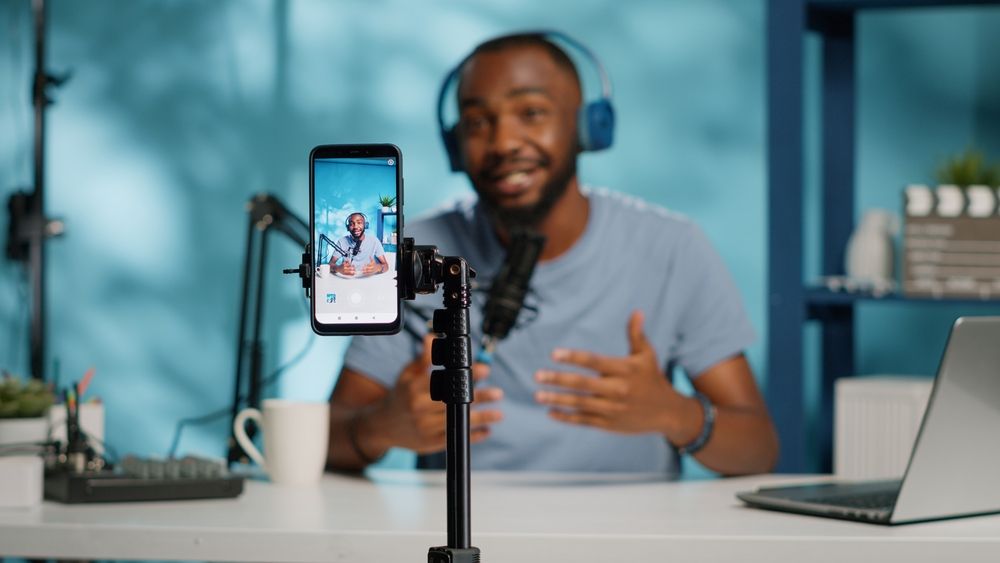
Online platforms have changed that dynamic. YouTube channels like Lauren Singer’s or Nostalgia Nerd in Australia, TikTok creators producing short-form comedy sketches, and musicians releasing tracks directly via Bandcamp or SoundCloud can now bypass traditional intermediaries. This democratization allows talent from all corners of the country—whether Melbourne, Perth, or remote communities—to gain visibility and recognition.
The appeal of online platforms lies not just in accessibility but also in control. Creators can maintain ownership of their work, experiment with content formats, and adapt rapidly to audience feedback. Australian filmmakers, for example, have produced web series that wouldn’t have received traditional funding, yet have attracted thousands of subscribers worldwide. Platforms like Vimeo On Demand and YouTube allow these creators to distribute content directly to fans, often monetizing through ad revenue, subscriptions, or crowdfunding.
Social Media as a Launchpad
Social media plays a central role in this transformation. Instagram, TikTok, and Facebook are more than promotional tools; they are stages in their own right. A short viral video on TikTok can generate millions of views overnight, introducing an Australian creator to audiences far beyond the country’s borders. For example, dancers, illustrators, and comedy creators frequently gain international recognition without ever leaving their hometowns.
Musicians have leveraged social media in similar ways. Platforms such as TikTok and Instagram Reels have become vital for launching songs, building fanbases, and testing new material. Artists like Tones and I, who achieved global fame with Dance Monkey, exemplify how Australian talent can rise to international stardom through digital-first strategies. By initially building an online following, these musicians bypass traditional record label pipelines and retain more creative and financial control over their work.
Monetization and Direct Support
Online platforms also provide creators with diverse avenues to monetize their craft. Beyond ad revenue, creators can access subscription models (e.g., Patreon, OnlyFans, or Ko-fi), merchandise sales, sponsorships, and crowdfunding campaigns. This direct-to-audience approach allows for financial sustainability while retaining creative freedom.
Consider Australian illustrators who sell digital prints, animations, or tutorials directly to subscribers. TikTokers and YouTubers can attract brand partnerships, while independent filmmakers can use crowdfunding platforms to finance projects that traditional studios may consider too niche or experimental. The flexibility to tailor revenue streams to audience size and engagement levels has opened doors that were previously inaccessible to mid-level creators.
Online Collaboration and Networking
Another significant shift is the ease of collaboration and networking facilitated by digital platforms. Creators no longer need to live in the same city—or even the same country—to work together. Australian musicians can collaborate with international producers remotely, visual artists can co-create digital installations, and filmmakers can source talent globally through online communities.
Platforms such as Discord, Slack, and even LinkedIn provide spaces for professional networking, mentorship, and skill-sharing. Australian creators are increasingly using these channels to join global creative communities, access advice from industry veterans, and showcase their work to curators, producers, and distributors. This connectivity expands opportunities beyond traditional Australian markets, enhancing exposure and career growth.