
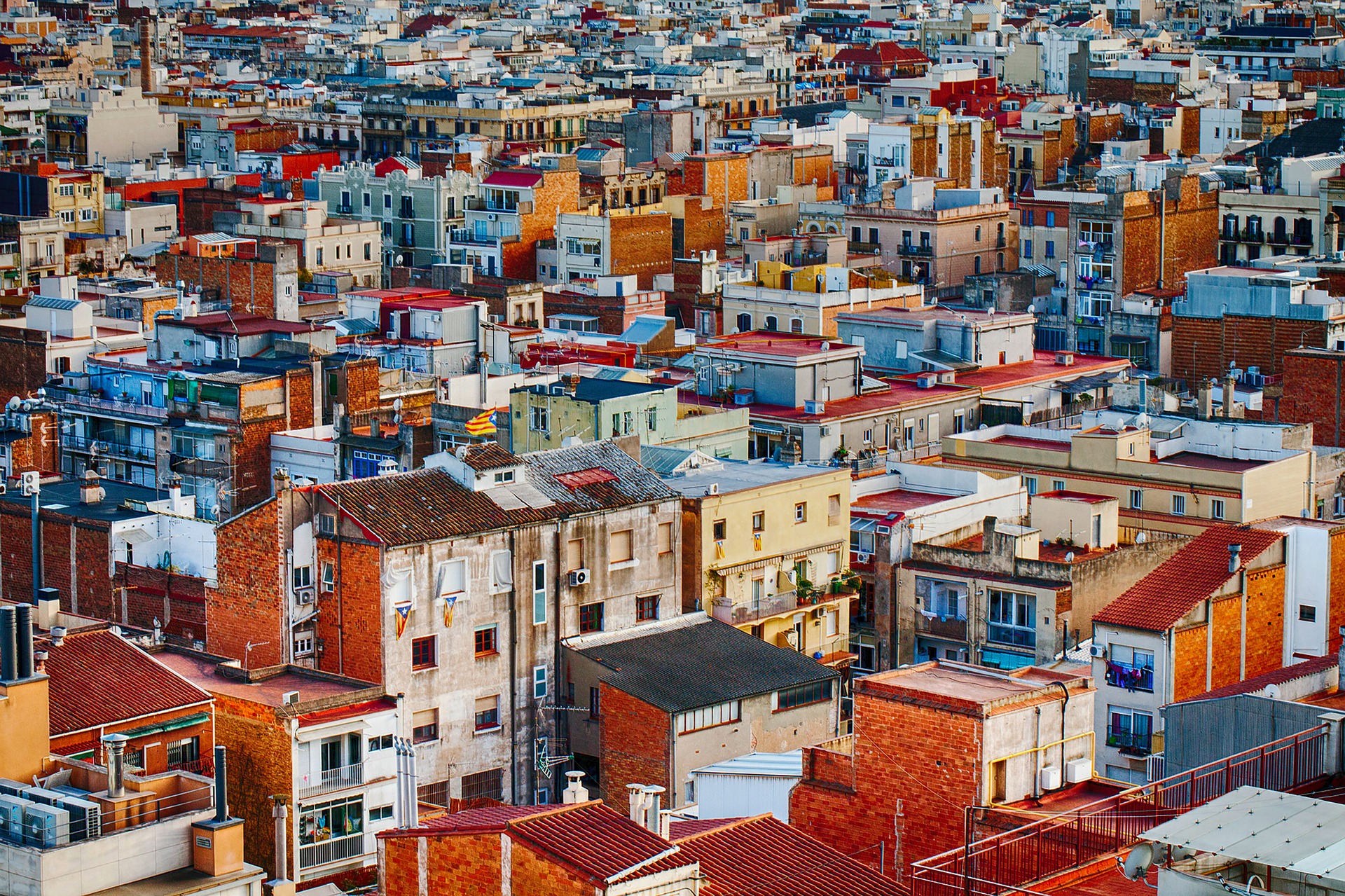
Across Australia, the urban housing market is facing pressures that are shaping how people live, work, and plan their futures. In cities such as Sydney, Melbourne, Brisbane, and Perth, housing shortages have become a defining feature of urban life. Rising demand, limited supply, escalating property prices, and rental stress are not just economic concerns—they influence social patterns, community structures, and individual lifestyle choices. Understanding the causes and consequences of these housing shortages is critical for both policymakers and residents, as the effects are far-reaching and continue to evolve.
Advertising
The Scope of the Shortage
Australia’s population has grown steadily over the past decades, particularly in urban centers. Cities attract young professionals, migrants, and students seeking opportunities in employment, education, and culture. According to the Australian Bureau of Statistics, urban areas account for over 85% of the nation’s population, with Sydney and Melbourne alone housing more than 8 million people combined.
Despite this growth, housing supply has not kept pace with demand. New residential developments are often constrained by zoning regulations, planning approvals, and land availability. Infrastructure limitations, environmental concerns, and community opposition to high-density developments further restrict the number of homes that can be built within city limits. The result is a market where demand consistently outstrips supply, pushing prices upward and intensifying competition for available properties.
Escalating Property Prices
One of the most visible effects of housing shortages is skyrocketing property prices. In cities like Sydney and Melbourne, median house prices have reached record levels, far exceeding the average household income. This phenomenon has been driven by several factors:
-
Population growth: Increasing urban populations create continuous pressure for housing.
-
Low-interest rates: Over the past decade, historically low-interest rates made borrowing more accessible, fueling demand.
-
Investor activity: Domestic and international investors compete for properties, driving prices higher.
-
Limited land supply: Geographical constraints and strict planning regulations restrict expansion in desirable areas.
These high property prices have consequences beyond the financial: they influence who can live in certain neighborhoods, where young families and first-time buyers can afford to settle, and even how cities develop socially and culturally.
Rental Market Pressures
High property prices have a direct impact on the rental market. As homeownership becomes less attainable, more Australians rely on renting, which in turn drives up rental demand. Vacancy rates in major cities remain historically low, sometimes below 1%, meaning prospective tenants compete intensely for available properties.
Rents have increased significantly, particularly in Sydney and Melbourne, where median weekly rents for apartments and houses often consume a substantial portion of household income. Long-term tenants face limited options, while younger generations are increasingly pushed to outer suburbs or regional towns, lengthening commutes and altering lifestyle choices.
Socioeconomic Consequences
Housing shortages have broad socioeconomic implications. Young adults often delay marriage, family formation, or homeownership due to affordability pressures. Low- and middle-income households face housing stress, spending a disproportionate share of income on rent or mortgages. This contributes to financial insecurity and limits discretionary spending, which can ripple across local economies.
Moreover, urban density and affordability challenges affect social cohesion. Communities become segmented, with wealthier households concentrated in central neighborhoods and lower-income residents pushed to peripheral areas. This spatial inequality has implications for access to quality education, healthcare, and public services, as well as for overall urban planning and infrastructure development.