
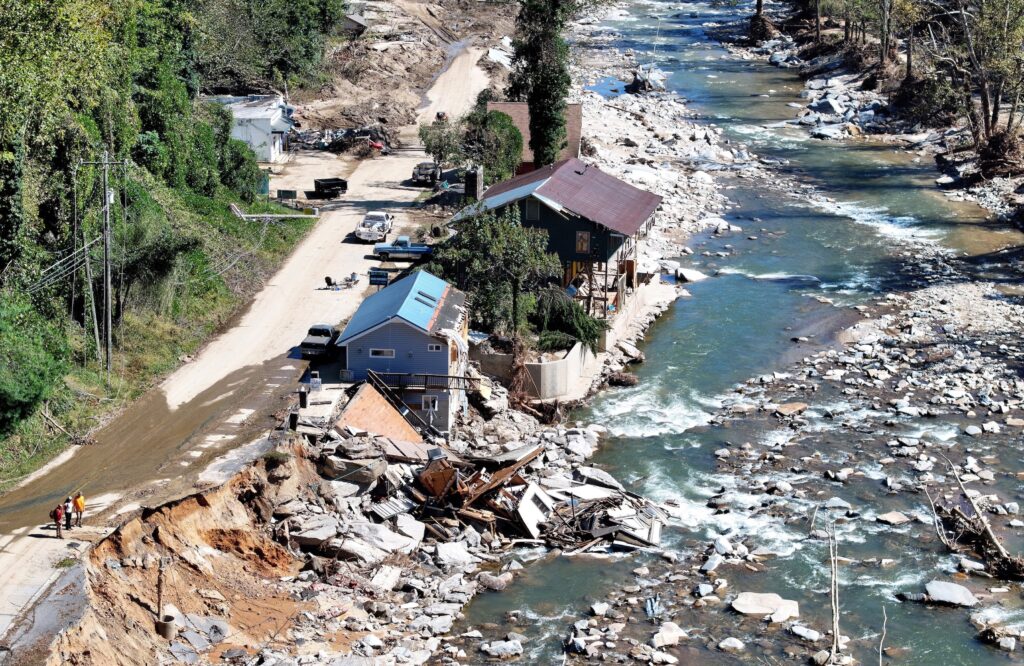
Australia has always been a land of extremes, from scorching heatwaves to intense storms, floods, and bushfires. Yet, in recent years, the frequency, intensity, and disruptive impact of these weather events have increased dramatically. Homes, businesses, infrastructure, and communities are feeling the consequences, prompting urgent discussions about climate resilience, emergency management, and long-term adaptation strategies.
Advertising
The growing disruption is not just a result of natural variability. Human-driven climate change, urbanization, and global interconnections amplify the impacts of extreme weather, creating challenges for individuals, industries, and governments alike. Understanding why these events are becoming more disruptive is essential for preparing for the future and mitigating both economic and social costs.
The Rising Frequency of Extreme Events
One of the most noticeable trends is the increasing frequency of extreme weather events. According to the Bureau of Meteorology (BoM), Australia has experienced a significant rise in the number of heatwaves, heavy rainfall events, and intense storms over the past two decades.
-
Heatwaves: Average temperatures have increased across much of the continent. Record-breaking heatwaves, such as those in 2019 and 2023, not only endanger lives but also strain energy systems, increase water demand, and reduce labor productivity.
-
Bushfires: The 2019–2020 Black Summer bushfires burned over 18 million hectares, destroyed thousands of homes, and claimed dozens of lives. Scientists link the severity of these fires to prolonged droughts, hotter temperatures, and strong winds, conditions exacerbated by climate change.
-
Floods and storms: Severe flooding events in Queensland, New South Wales, and Victoria have destroyed property, disrupted transportation networks, and displaced thousands of residents. Record rainfall in 2022 led to extensive urban and rural flooding, demonstrating the vulnerability of both metropolitan and regional areas.
These events are no longer isolated incidents—they are part of a pattern of increasing intensity and frequency, making preparation and response more challenging.
Urbanization and Vulnerability
Australia’s growing population and urban expansion have amplified the disruptive effects of extreme weather. Coastal and riverside cities such as Sydney, Brisbane, and Melbourne have seen significant development in flood-prone areas, while suburban sprawl increases exposure to heatwaves and storms.
Infrastructure that was adequate decades ago is often ill-equipped to handle modern extremes. Roads, bridges, and drainage systems may fail under intense rainfall, while older buildings struggle to withstand cyclones or bushfire embers. Even energy networks face stress: during heatwaves, electricity demand peaks, leading to blackouts or the need for rolling power outages, as seen in major cities during record hot spells.
Climate Change as a Multiplier
Scientific research indicates that human-induced climate change is a key driver of increasingly disruptive weather. Rising global temperatures intensify heatwaves, lengthen fire seasons, and increase the likelihood of severe storms. Warmer oceans contribute to stronger cyclones and extreme rainfall events.
Climate change acts as a multiplier: natural weather variability interacts with higher baseline temperatures, altered rainfall patterns, and changing ocean currents, producing events that are more severe and damaging than those historically experienced. This has profound implications for sectors ranging from agriculture and energy to insurance and urban planning.
Economic and Social Costs
The economic toll of extreme weather events is staggering. According to Insurance Australia Group (IAG) and the Insurance Council of Australia, the annual cost of natural disasters in Australia has risen to tens of billions of dollars, factoring in property damage, business interruption, and emergency response.
-
Agriculture: Farmers face crop losses due to droughts, floods, or unseasonal frost, threatening food supply chains and local economies. The 2020–2021 floods in eastern Australia destroyed crops across hundreds of thousands of hectares, resulting in significant financial strain for producers.
-
Business and industry: Manufacturing plants, retail outlets, and service providers often halt operations during extreme events. Disruptions to supply chains—both domestic and global—translate into lost revenue and increased costs.
-
Households: Homes in high-risk areas experience property damage, displacement, and increased insurance premiums. Heatwaves drive up electricity bills, while flood-prone areas face repeated rebuilding costs.
The social impact is equally concerning. Displacement, mental health challenges, and community fragmentation are common after severe events. Vulnerable populations, including the elderly, low-income households, and those in remote areas, are disproportionately affected, highlighting issues of equity and resilience.