Category:

Context

Advertising

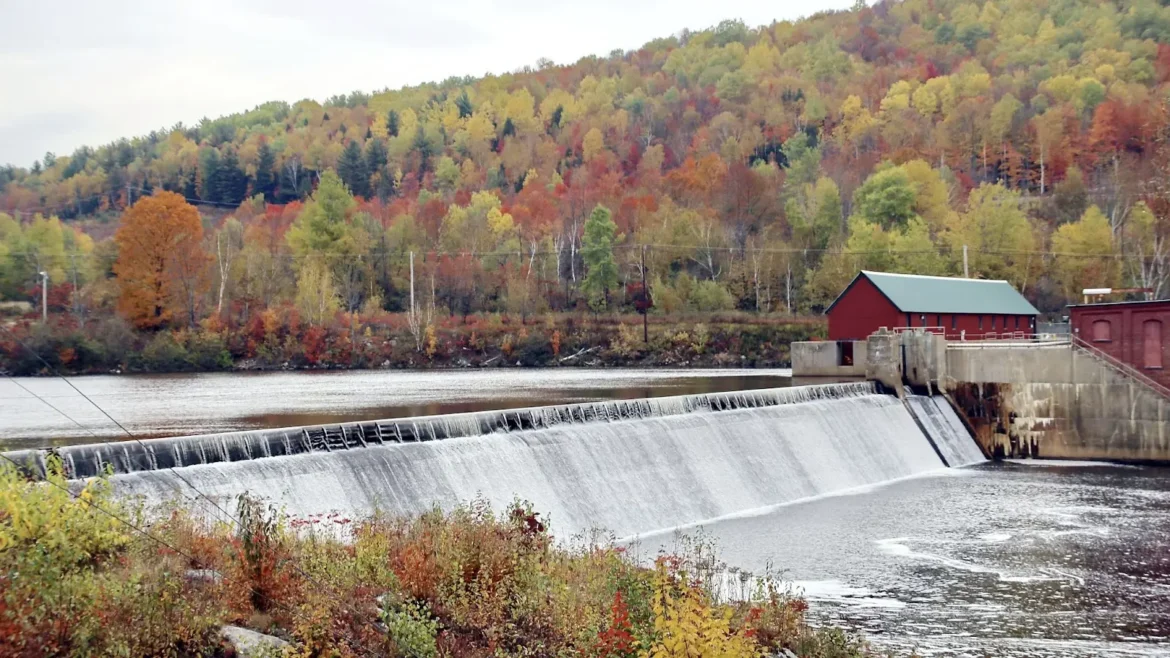
Water is Australia’s most precious resource, yet it is also one of its most contested and fragile. From the arid Outback to the lush subtropical coasts, the country’s climate variability, growing population, agricultural demands, and industrial needs make water management a complex and ongoing challenge. While Australians often take tap water for granted, behind every glass is a story of infrastructure, policy, environmental stewardship, and strategic planning designed to balance competing needs across a vast and diverse continent.

Over the past decade, water management has become increasingly critical. Droughts, bushfires, flooding, and climate change all amplify the urgency of careful planning and sustainable use. Understanding why water remains at the forefront of national priorities requires examining historical patterns, current pressures, and future strategies.

Australia’s Unique Water Challenges

Australia is the driest inhabited continent on Earth. Rainfall is unevenly distributed: the tropical north experiences monsoonal wet seasons, while southern regions face winter-dominated precipitation, and large areas of central Australia are effectively desert. This variability creates a constant tension between supply and demand.

Droughts are a recurring challenge. The Millennium Drought (1997–2009) and the more recent dry periods in southeastern Australia highlighted vulnerabilities in urban water supply, agriculture, and river systems. Water restrictions, dam levels falling to historic lows, and irrigation shortages revealed that traditional water management strategies were often insufficient for prolonged dry conditions.

Climate change compounds these challenges. Rising temperatures increase evaporation rates, alter rainfall patterns, and shift the timing and intensity of storms. Extreme weather events, from floods to heatwaves, test the resilience of existing water infrastructure and management policies.

Urban Water Supply and Population Growth

Australia’s growing population, concentrated in urban centers such as Sydney, Melbourne, Brisbane, and Perth, places additional pressure on water supply systems. Cities require reliable water for households, industry, hospitals, and public services. Population growth, coupled with climate variability, has made water security a central urban planning priority.

Urban water utilities have responded with a combination of measures:

  • Infrastructure investment: Expanding reservoirs, dams, and pipelines to secure supply.

  • Desalination: Facilities such as Sydney’s Kurnell plant and Melbourne’s Wonthaggi plant provide reliable water during droughts, though they are energy-intensive and expensive to operate.

  • Recycled water and stormwater harvesting: Innovative projects capture, treat, and reuse water for irrigation, industrial use, and environmental flows.

  • Demand management: Water restrictions, pricing incentives, and public awareness campaigns encourage households to reduce consumption.

Despite these efforts, cities remain vulnerable. Prolonged drought, heatwaves, and infrastructure strain can lead to shortages or increased reliance on costly alternative supplies.

Agriculture and Irrigation Demands

Agriculture consumes the majority of Australia’s water—often over 60% of total allocated water in some states—particularly in the Murray–Darling Basin, Australia’s most important agricultural region. Farmers rely on consistent water access for crops like rice, cotton, and fruit, as well as for livestock.

Droughts, variable rainfall, and river system management create tension between farmers, environmental needs, and urban users. Water trading systems, introduced to allow more flexible allocation, have partially addressed these challenges but also introduced complex market dynamics. Conflicts arise over rights, sustainability, and equitable distribution, particularly in times of scarcity.

Environmental flows are another critical consideration. Healthy rivers, wetlands, and floodplains depend on water to sustain ecosystems, support biodiversity, and maintain fisheries. Over-allocation and unsustainable extraction threaten these natural systems, highlighting the need for integrated water management that balances human and environmental needs.

Pages: 1 2

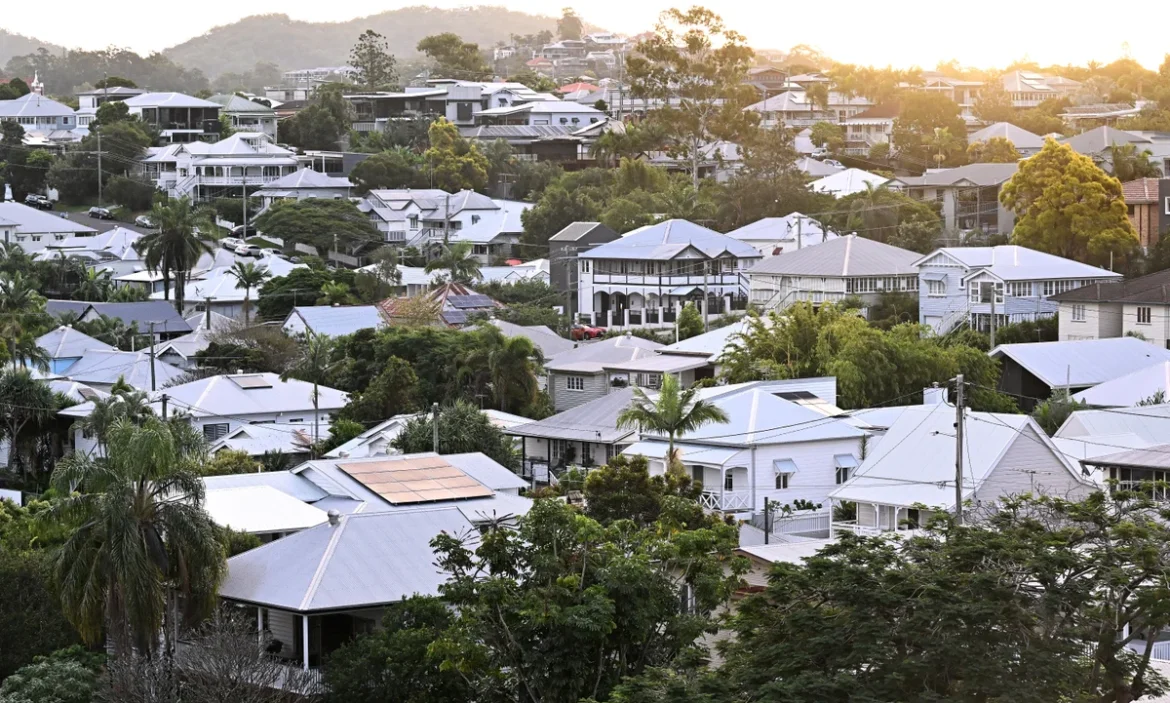
Australia’s major cities are evolving at a remarkable pace, driven in large part by population growth. Sydney, Melbourne, Brisbane, and Perth have seen substantial increases in residents over the past decade, reshaping urban landscapes, housing markets, infrastructure demands, and social dynamics. While population growth brings economic vitality, cultural diversity, and innovation, it also introduces challenges in transport, housing affordability, environmental sustainability, and urban planning. Understanding how growth reshapes cities is essential for policymakers, businesses, and residents alike.

Population Trends Across Major Cities

Australia’s population has grown steadily over the last ten years, averaging around 1.5% per year, though growth rates vary by city. Sydney and Melbourne, the two largest metropolitan areas, have absorbed the majority of new residents, driven by domestic migration from other states, international migration, and natural population increase.

Brisbane and Perth have also experienced significant growth, fueled by interstate migration and economic opportunities in resources, technology, and services. Regional cities such as Hobart and Darwin have seen smaller, but notable, increases, reflecting shifts in lifestyle preferences and housing affordability.

The growth has not been uniform. International migration patterns, influenced by education, work opportunities, and visa policies, have concentrated growth in specific neighborhoods, while other areas expand more slowly. Sydney’s western suburbs, Melbourne’s outer northern regions, and Brisbane’s growth corridors illustrate the uneven distribution of population growth within urban areas.

Urban Density and Housing Pressure

Rapid population growth has intensified pressure on housing markets. In Sydney and Melbourne, high demand has driven property prices to record levels, affecting affordability for first-time buyers and renters. According to CoreLogic data, median house prices in Sydney exceed AUD 1.3 million in 2025, while Melbourne’s median hovers around AUD 1.1 million.

High demand has prompted the development of high-density housing, particularly in inner-city suburbs and along transport corridors. Apartment complexes, mixed-use developments, and townhouses have become more common, reshaping skylines and neighborhood dynamics. While density solutions address space limitations, they also raise concerns about overcrowding, infrastructure strain, and quality of life.

In contrast, outer suburban areas and growth corridors face challenges with urban sprawl. New developments often require significant investment in roads, schools, hospitals, and public transport, creating pressure on local governments to deliver services efficiently. Balancing high-density urban infill with suburban expansion is a central tension in contemporary city planning.

Infrastructure and Transport Challenges

Population growth magnifies the demand for infrastructure, particularly transport. Commuter congestion, overcrowded trains and buses, and increased road traffic are common in Sydney, Melbourne, and Brisbane. For example, Melbourne’s City Loop and Sydney’s North Shore rail lines experience peak-hour crowding that strains both systems and commuters’ patience.

Governments have responded with major infrastructure projects: Sydney’s Metro expansion, Melbourne’s Suburban Rail Loop, Brisbane’s Cross River Rail, and Perth’s Metronet are all designed to accommodate growing populations and improve connectivity. Road expansions, cycleways, and bus networks also aim to relieve congestion and support sustainable transport options.

Beyond transport, population growth pressures utilities, healthcare facilities, schools, and recreational spaces. Ensuring adequate water supply, electricity, waste management, and hospital capacity requires long-term planning and investment. Cities must anticipate growth patterns to prevent infrastructure lag, which can compromise quality of life and economic productivity.

Pages: 1 2

Advertising

Tourism has long been a cornerstone of Australia’s economy, contributing significantly to GDP, employment, and regional development. From the iconic beaches of Bondi and the Great Barrier Reef to the rugged landscapes of the Outback and Tasmania’s wilderness, the country has attracted millions of visitors from around the world. However, the COVID-19 pandemic dramatically disrupted global travel, grounding flights, closing borders, and forcing the tourism industry into an unprecedented period of contraction.

As the world gradually emerges from the pandemic, Australia’s tourism sector is navigating its place in a complex global recovery. Understanding how international trends, domestic policies, and changing traveler expectations intersect provides insight into the challenges and opportunities that lie ahead.

The Pre-Pandemic Landscape

Before the pandemic, tourism was one of Australia’s fastest-growing sectors. According to Tourism Australia, international visitors numbered over 9 million in 2019, contributing more than AUD 45 billion to the economy. Key markets included China, the United States, the United Kingdom, and New Zealand, each with distinct travel patterns and preferences.

Domestic tourism was equally significant. Australians frequently traveled within their own country, exploring both metropolitan centers and regional destinations. Domestic travel accounted for nearly 60% of total tourism revenue, cushioning the industry somewhat against international shocks.

Popular experiences ranged from urban attractions—museums, entertainment, and fine dining—to nature-based tourism such as snorkeling the Great Barrier Reef, hiking in national parks, or exploring wine regions. The combination of natural beauty, cultural experiences, and modern infrastructure positioned Australia as a premium destination for international travelers.

The Impact of COVID-19

The onset of the pandemic in early 2020 brought tourism to a near-standstill. Border closures, quarantine requirements, and global travel restrictions virtually eliminated international arrivals. According to the Australian Bureau of Statistics, international visitor numbers plummeted by over 95% in 2020 compared to 2019.

Domestic tourism, while more resilient, also suffered. Lockdowns, state border closures, and social distancing measures reduced travel frequency and spending. Regional tourism-dependent towns, such as those in the Great Ocean Road region, Byron Bay, and parts of Tasmania, experienced severe economic impacts. Hospitality, airlines, and tour operators faced mass layoffs and business closures, while accommodation providers reported unprecedented vacancy rates.

The pandemic underscored Australia’s reliance on international visitors, particularly from Asia, and exposed vulnerabilities in regions dependent on tourism-driven employment. It also accelerated trends such as digital booking platforms, contactless services, and experiential travel, which continue to shape recovery strategies.

Australia’s Global Position Post-Pandemic

As borders reopen, Australia is reclaiming its place in global tourism, though the recovery is uneven. Key factors influencing its positioning include:

  1. Geographic Distance and Travel Costs
    Australia’s location, far from major population centers in Europe and North America, makes international travel more expensive and time-consuming. While this has always been a factor, post-pandemic travelers are more cost-conscious, seeking value alongside experiences.

  2. Strong Domestic Market
    The domestic tourism market has been a crucial driver of recovery. Australians increasingly explore local destinations, discovering regional attractions and diversifying tourism revenue streams. This shift has strengthened community-based tourism and encouraged investment in regional infrastructure, accommodation, and experiential offerings.

  3. Global Competition
    Countries worldwide are vying for returning tourists. Southeast Asia, Europe, and North America have rolled out aggressive marketing campaigns, travel incentives, and health measures to attract visitors. Australia’s challenge is to highlight its unique natural and cultural assets while remaining competitive in pricing and accessibility.

  4. Health and Safety Reputation
    Australia’s effective handling of COVID-19, robust healthcare infrastructure, and high vaccination rates have become selling points for cautious travelers. Safe travel experiences are now central to destination choice, influencing airline partnerships, accommodation selection, and tour planning.

Shifts in Traveler Preferences

Tourists’ expectations have evolved during the pandemic, and Australia is adapting to meet new demands:

  • Nature and Outdoor Experiences: Visitors increasingly seek open-air, socially distanced activities. National parks, beaches, and eco-tourism sites have seen surges in interest.

  • Wellness and Slow Travel: Longer stays in regional areas, wellness retreats, and immersive experiences reflect a preference for mindful, lower-intensity travel.

  • Digital and Contactless Services: Online booking, self-guided tours, and cashless payments are now standard expectations. Tourism operators must continue investing in digital infrastructure to remain competitive.

  • Sustainable and Responsible Tourism: Travelers are more environmentally conscious, favoring destinations and providers with strong sustainability credentials. Eco-lodges, reef conservation tours, and wildlife protection initiatives resonate with this audience.

Recovery Challenges

Despite positive momentum, several challenges affect Australia’s tourism recovery:

  • Labor Shortages: Airlines, hotels, and tour operators face staffing shortages due to pandemic-related layoffs, visa restrictions, and a delayed return of international workers.

  • Rising Costs: Fuel prices, accommodation costs, and general inflation affect both operators and tourists, potentially limiting discretionary spending.

  • Climate Events: Bushfires, floods, and heatwaves continue to threaten destinations and infrastructure, sometimes prompting travel cancellations.

  • Visa and Entry Policies: Streamlined visa processes and clear health protocols are essential to attract international visitors. Complex or restrictive policies can reduce competitiveness compared to other destinations.

Regional Tourism Growth

One of the most striking aspects of Australia’s post-pandemic recovery is the growth of regional tourism. With international travel initially restricted, Australians explored domestic destinations more than ever. Towns and regions previously reliant on international arrivals have benefited, with renewed investment in accommodation, dining, and attractions.

Examples include:

  • The Great Ocean Road, Victoria: Increased domestic visitation led to business expansion and infrastructure upgrades.

  • Byron Bay, New South Wales: Wellness and cultural tourism boomed, as Australians sought boutique experiences closer to home.

  • Tasmania: Nature-based tourism grew sharply, with visitor numbers exceeding pre-pandemic expectations during peak seasons.

Regional tourism not only supports local economies but also alleviates pressure on urban centers, spreading economic benefits more evenly across the country.

Strategic Initiatives for Recovery

Tourism Australia and state governments have implemented strategies to position the nation favorably in global recovery:

  • Marketing campaigns targeting key international markets with clear messaging about Australia’s unique attractions.

  • Investment in regional infrastructure, from airports to accommodations, to accommodate higher visitor numbers.

  • Partnerships with airlines and travel platforms to improve connectivity and visibility of Australian destinations.

  • Support for sustainable tourism practices to align with global traveler expectations and long-term environmental goals.

These initiatives aim to enhance the country’s competitiveness while fostering resilience against future disruptions.

Pages: 1 2

Australia has always been a land of extremes, from scorching heatwaves to intense storms, floods, and bushfires. Yet, in recent years, the frequency, intensity, and disruptive impact of these weather events have increased dramatically. Homes, businesses, infrastructure, and communities are feeling the consequences, prompting urgent discussions about climate resilience, emergency management, and long-term adaptation strategies.

The growing disruption is not just a result of natural variability. Human-driven climate change, urbanization, and global interconnections amplify the impacts of extreme weather, creating challenges for individuals, industries, and governments alike. Understanding why these events are becoming more disruptive is essential for preparing for the future and mitigating both economic and social costs.

The Rising Frequency of Extreme Events

One of the most noticeable trends is the increasing frequency of extreme weather events. According to the Bureau of Meteorology (BoM), Australia has experienced a significant rise in the number of heatwaves, heavy rainfall events, and intense storms over the past two decades.

  • Heatwaves: Average temperatures have increased across much of the continent. Record-breaking heatwaves, such as those in 2019 and 2023, not only endanger lives but also strain energy systems, increase water demand, and reduce labor productivity.

  • Bushfires: The 2019–2020 Black Summer bushfires burned over 18 million hectares, destroyed thousands of homes, and claimed dozens of lives. Scientists link the severity of these fires to prolonged droughts, hotter temperatures, and strong winds, conditions exacerbated by climate change.

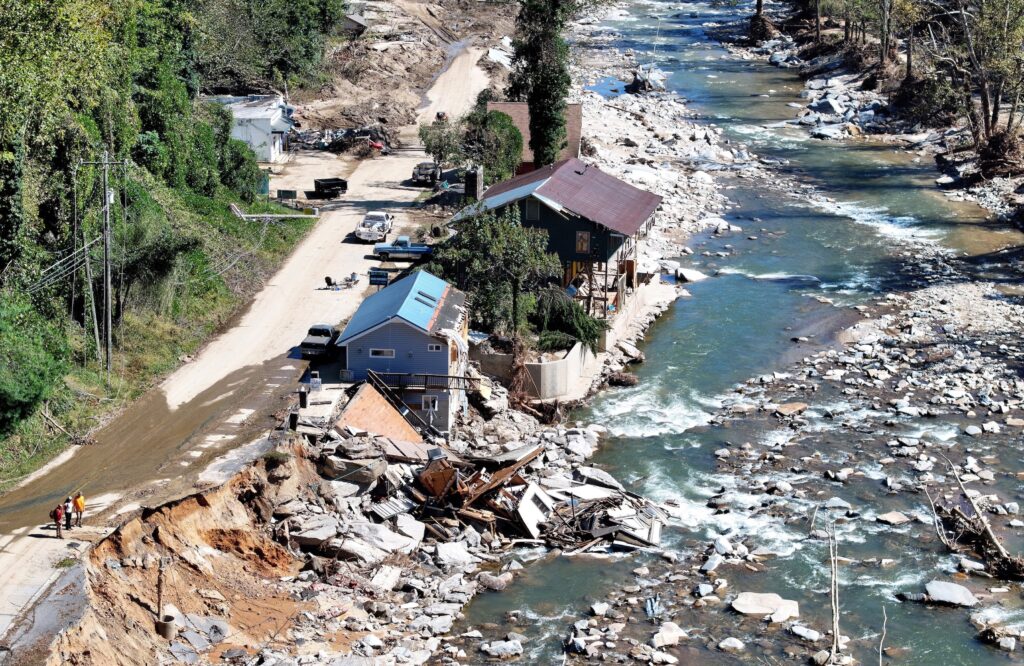
  • Floods and storms: Severe flooding events in Queensland, New South Wales, and Victoria have destroyed property, disrupted transportation networks, and displaced thousands of residents. Record rainfall in 2022 led to extensive urban and rural flooding, demonstrating the vulnerability of both metropolitan and regional areas.

These events are no longer isolated incidents—they are part of a pattern of increasing intensity and frequency, making preparation and response more challenging.

Urbanization and Vulnerability

Australia’s growing population and urban expansion have amplified the disruptive effects of extreme weather. Coastal and riverside cities such as Sydney, Brisbane, and Melbourne have seen significant development in flood-prone areas, while suburban sprawl increases exposure to heatwaves and storms.

Infrastructure that was adequate decades ago is often ill-equipped to handle modern extremes. Roads, bridges, and drainage systems may fail under intense rainfall, while older buildings struggle to withstand cyclones or bushfire embers. Even energy networks face stress: during heatwaves, electricity demand peaks, leading to blackouts or the need for rolling power outages, as seen in major cities during record hot spells.

Climate Change as a Multiplier

Scientific research indicates that human-induced climate change is a key driver of increasingly disruptive weather. Rising global temperatures intensify heatwaves, lengthen fire seasons, and increase the likelihood of severe storms. Warmer oceans contribute to stronger cyclones and extreme rainfall events.

Climate change acts as a multiplier: natural weather variability interacts with higher baseline temperatures, altered rainfall patterns, and changing ocean currents, producing events that are more severe and damaging than those historically experienced. This has profound implications for sectors ranging from agriculture and energy to insurance and urban planning.

Economic and Social Costs

The economic toll of extreme weather events is staggering. According to Insurance Australia Group (IAG) and the Insurance Council of Australia, the annual cost of natural disasters in Australia has risen to tens of billions of dollars, factoring in property damage, business interruption, and emergency response.

  • Agriculture: Farmers face crop losses due to droughts, floods, or unseasonal frost, threatening food supply chains and local economies. The 2020–2021 floods in eastern Australia destroyed crops across hundreds of thousands of hectares, resulting in significant financial strain for producers.

  • Business and industry: Manufacturing plants, retail outlets, and service providers often halt operations during extreme events. Disruptions to supply chains—both domestic and global—translate into lost revenue and increased costs.

  • Households: Homes in high-risk areas experience property damage, displacement, and increased insurance premiums. Heatwaves drive up electricity bills, while flood-prone areas face repeated rebuilding costs.

The social impact is equally concerning. Displacement, mental health challenges, and community fragmentation are common after severe events. Vulnerable populations, including the elderly, low-income households, and those in remote areas, are disproportionately affected, highlighting issues of equity and resilience.

Pages: 1 2

Advertising

Australia’s energy landscape has undergone significant transformation over the past ten years. Once heavily reliant on coal-fired power generation, the country has seen a marked shift toward renewable energy sources, reflecting both global trends and domestic policy priorities. This shift has reshaped electricity generation, influenced household energy costs, altered investment strategies, and sparked debate about energy reliability, sustainability, and the pace of transition.

Understanding how Australia’s energy mix has evolved provides insight into the broader implications for households, businesses, and policymakers. It also highlights the complex balancing act between affordability, environmental responsibility, and energy security that continues to shape the nation’s energy strategy.

The Traditional Energy Mix

For much of the 20th century and into the early 2010s, Australia’s electricity generation was dominated by coal. Black coal in New South Wales and brown coal in Victoria powered the majority of homes and industries, providing a stable and reliable source of electricity. Coal-fired power plants were relatively inexpensive to operate, widely distributed across the country, and formed the backbone of the national energy system.

Gas also played a role, particularly in peak demand and industrial applications. Hydroelectricity contributed a smaller, yet important share, mostly concentrated in Tasmania and parts of Victoria. Renewable sources such as solar and wind were minimal, representing only a fraction of total generation.

This heavy reliance on fossil fuels made the country vulnerable to global coal market fluctuations, climate-related disruptions, and growing international pressure to reduce carbon emissions.

The Rise of Renewables

Over the past decade, Australia has experienced a remarkable surge in renewable energy generation, primarily through solar and wind. Several factors have driven this transition:

  1. Government Policy and Incentives
    Federal and state governments introduced policies to encourage renewable energy investment. The Renewable Energy Target (RET), which set mandatory generation quotas from renewable sources, incentivized wind and solar projects. Grants, feed-in tariffs, and tax incentives further accelerated adoption, particularly for rooftop solar installations on homes and businesses.

  2. Technological Advances
    Improvements in solar panel efficiency, wind turbine design, and battery storage technology have reduced costs and increased the viability of renewables. Rooftop solar, once a niche option, became increasingly accessible, allowing households to generate their own electricity and contribute to the grid.

  3. Public and Corporate Pressure
    Consumer awareness of climate change, alongside corporate commitments to sustainability, created market demand for clean energy. Companies investing in solar and wind farms helped expand renewable capacity, while households embraced rooftop solar both as an environmental choice and a way to reduce electricity bills.

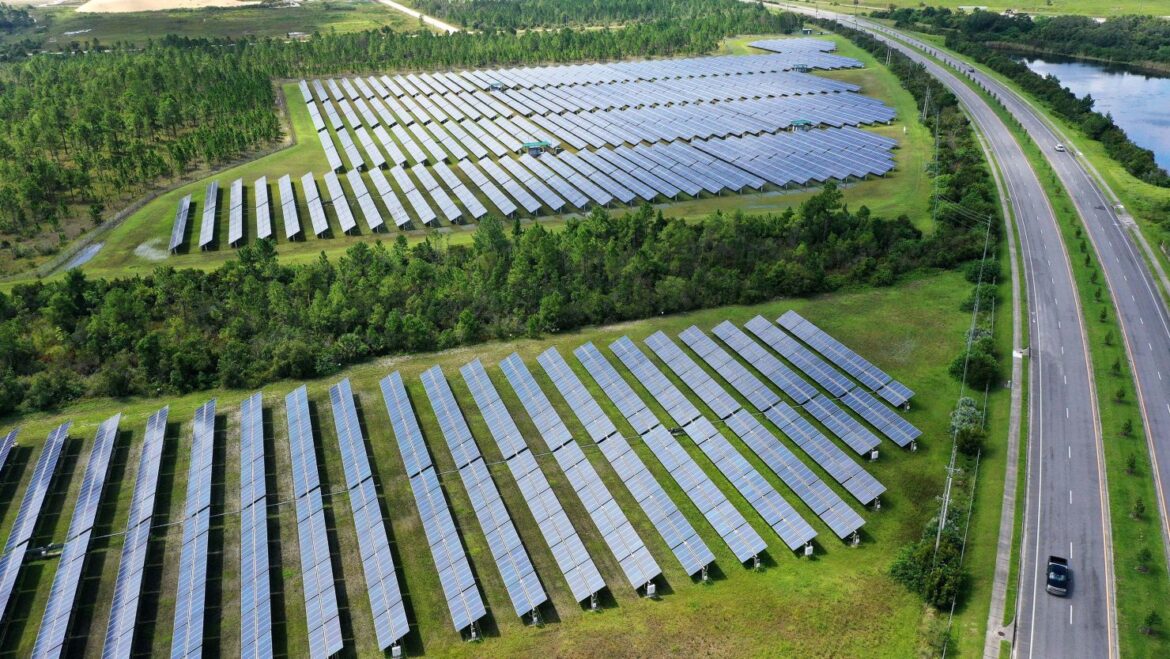
As a result, the share of renewables in Australia’s energy mix has grown from around 13% in 2010 to over 35% by 2023, according to the Australian Energy Market Operator (AEMO). Wind and rooftop solar are now the fastest-growing segments, with utility-scale solar farms increasingly contributing to national generation.

The Decline of Coal

While renewables have expanded, coal’s share of electricity generation has declined. Several factors have contributed:

  • Aging Infrastructure: Many coal-fired power plants built in the 1970s and 1980s are nearing the end of their operational lives, leading to closures or reduced output.

  • Maintenance Costs: Older coal plants require more frequent maintenance and are less efficient than modern facilities, making them more expensive to operate relative to renewables.

  • Environmental Policies: Carbon pricing discussions, emission reduction targets, and state-level environmental regulations have increased operational costs for coal generation.

Despite this decline, coal still provides around 60% of Australia’s electricity, serving as a critical backbone for reliability and base-load power, particularly during periods of high demand or low renewable output.

Natural Gas and Other Sources

Natural gas has maintained a relatively stable role in the energy mix, particularly in balancing supply during peak demand and supporting industrial needs. Gas-fired power stations offer flexible generation that complements intermittent renewable sources, filling gaps when solar or wind output is insufficient.

Hydroelectricity continues to contribute modestly, with Tasmania’s hydro system providing both generation and grid stability. Emerging technologies, such as bioenergy and small-scale storage solutions, are gradually entering the mix, although they remain limited in overall contribution.

Rooftop Solar and Household Energy

Rooftop solar has revolutionized household energy consumption in Australia. In 2013, only around 7% of homes had solar panels. By 2023, over 35% of Australian households have adopted rooftop solar, with higher penetration in Queensland, South Australia, and New South Wales.

This shift has implications for energy pricing and grid management. Households with solar systems can reduce reliance on grid electricity during daylight hours, lowering bills and sometimes selling excess energy back to the network. However, high penetration of rooftop solar introduces challenges for grid stability, requiring investments in smart meters, energy storage, and demand management systems.

Pages: 1 2

Advertising