
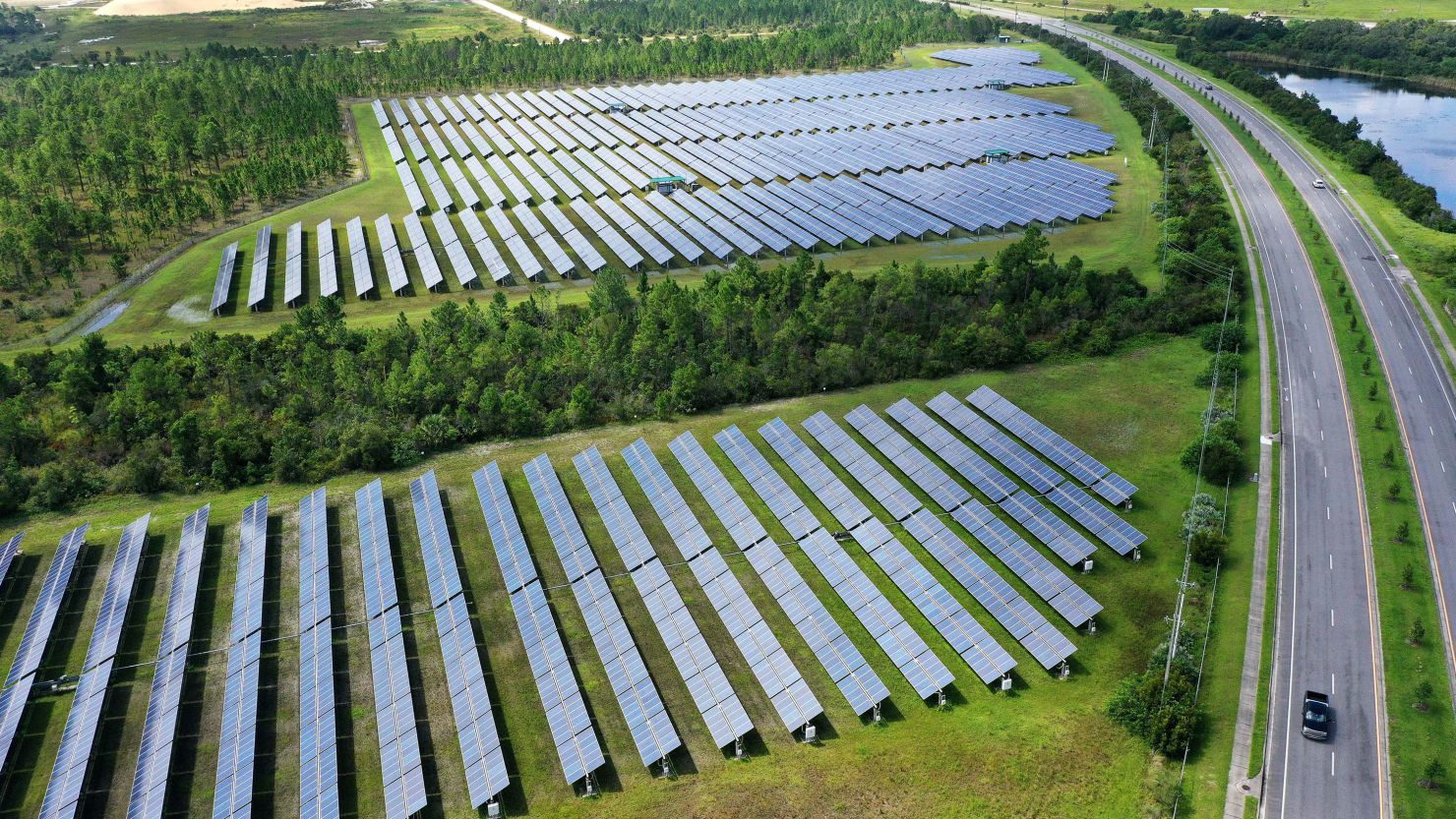
Australia’s energy landscape has undergone significant transformation over the past ten years. Once heavily reliant on coal-fired power generation, the country has seen a marked shift toward renewable energy sources, reflecting both global trends and domestic policy priorities. This shift has reshaped electricity generation, influenced household energy costs, altered investment strategies, and sparked debate about energy reliability, sustainability, and the pace of transition.
Advertising
Understanding how Australia’s energy mix has evolved provides insight into the broader implications for households, businesses, and policymakers. It also highlights the complex balancing act between affordability, environmental responsibility, and energy security that continues to shape the nation’s energy strategy.
The Traditional Energy Mix
For much of the 20th century and into the early 2010s, Australia’s electricity generation was dominated by coal. Black coal in New South Wales and brown coal in Victoria powered the majority of homes and industries, providing a stable and reliable source of electricity. Coal-fired power plants were relatively inexpensive to operate, widely distributed across the country, and formed the backbone of the national energy system.
Gas also played a role, particularly in peak demand and industrial applications. Hydroelectricity contributed a smaller, yet important share, mostly concentrated in Tasmania and parts of Victoria. Renewable sources such as solar and wind were minimal, representing only a fraction of total generation.
This heavy reliance on fossil fuels made the country vulnerable to global coal market fluctuations, climate-related disruptions, and growing international pressure to reduce carbon emissions.
The Rise of Renewables
Over the past decade, Australia has experienced a remarkable surge in renewable energy generation, primarily through solar and wind. Several factors have driven this transition:
-
Government Policy and Incentives
Federal and state governments introduced policies to encourage renewable energy investment. The Renewable Energy Target (RET), which set mandatory generation quotas from renewable sources, incentivized wind and solar projects. Grants, feed-in tariffs, and tax incentives further accelerated adoption, particularly for rooftop solar installations on homes and businesses. -
Technological Advances
Improvements in solar panel efficiency, wind turbine design, and battery storage technology have reduced costs and increased the viability of renewables. Rooftop solar, once a niche option, became increasingly accessible, allowing households to generate their own electricity and contribute to the grid. -
Public and Corporate Pressure
Consumer awareness of climate change, alongside corporate commitments to sustainability, created market demand for clean energy. Companies investing in solar and wind farms helped expand renewable capacity, while households embraced rooftop solar both as an environmental choice and a way to reduce electricity bills.
As a result, the share of renewables in Australia’s energy mix has grown from around 13% in 2010 to over 35% by 2023, according to the Australian Energy Market Operator (AEMO). Wind and rooftop solar are now the fastest-growing segments, with utility-scale solar farms increasingly contributing to national generation.
The Decline of Coal
While renewables have expanded, coal’s share of electricity generation has declined. Several factors have contributed:
-
Aging Infrastructure: Many coal-fired power plants built in the 1970s and 1980s are nearing the end of their operational lives, leading to closures or reduced output.
-
Maintenance Costs: Older coal plants require more frequent maintenance and are less efficient than modern facilities, making them more expensive to operate relative to renewables.
-
Environmental Policies: Carbon pricing discussions, emission reduction targets, and state-level environmental regulations have increased operational costs for coal generation.
Despite this decline, coal still provides around 60% of Australia’s electricity, serving as a critical backbone for reliability and base-load power, particularly during periods of high demand or low renewable output.
Natural Gas and Other Sources
Natural gas has maintained a relatively stable role in the energy mix, particularly in balancing supply during peak demand and supporting industrial needs. Gas-fired power stations offer flexible generation that complements intermittent renewable sources, filling gaps when solar or wind output is insufficient.
Hydroelectricity continues to contribute modestly, with Tasmania’s hydro system providing both generation and grid stability. Emerging technologies, such as bioenergy and small-scale storage solutions, are gradually entering the mix, although they remain limited in overall contribution.
Rooftop Solar and Household Energy
Rooftop solar has revolutionized household energy consumption in Australia. In 2013, only around 7% of homes had solar panels. By 2023, over 35% of Australian households have adopted rooftop solar, with higher penetration in Queensland, South Australia, and New South Wales.
This shift has implications for energy pricing and grid management. Households with solar systems can reduce reliance on grid electricity during daylight hours, lowering bills and sometimes selling excess energy back to the network. However, high penetration of rooftop solar introduces challenges for grid stability, requiring investments in smart meters, energy storage, and demand management systems.