
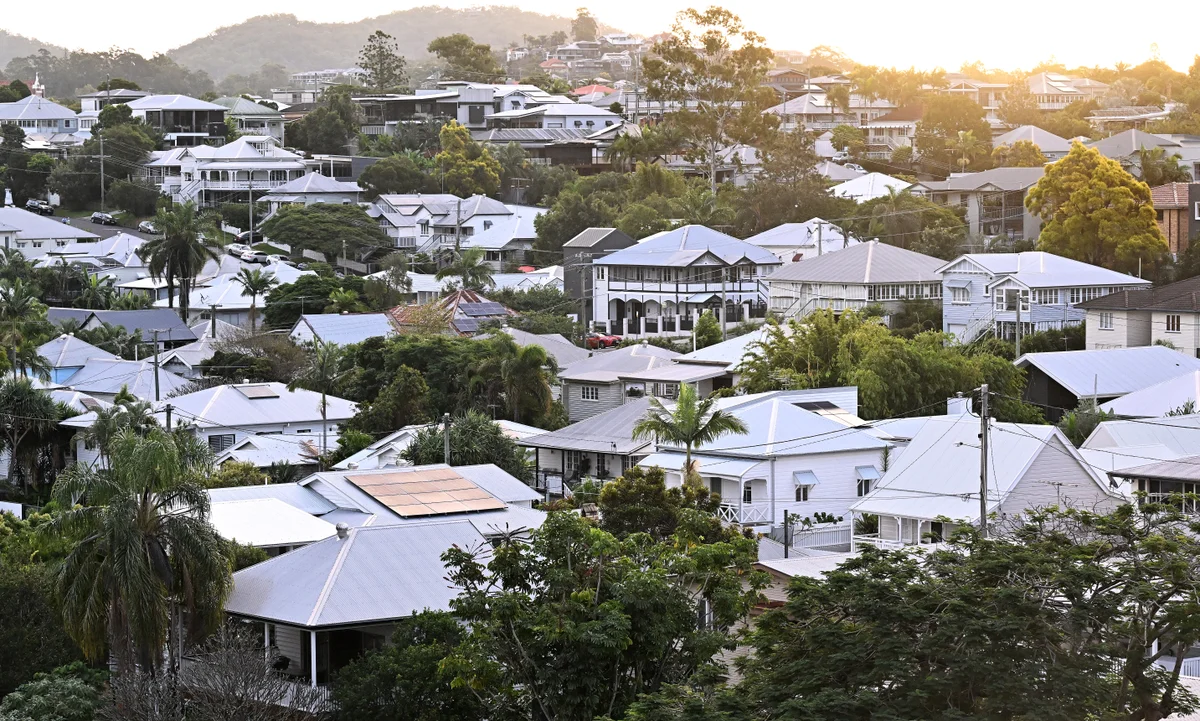
Australia’s major cities are evolving at a remarkable pace, driven in large part by population growth. Sydney, Melbourne, Brisbane, and Perth have seen substantial increases in residents over the past decade, reshaping urban landscapes, housing markets, infrastructure demands, and social dynamics. While population growth brings economic vitality, cultural diversity, and innovation, it also introduces challenges in transport, housing affordability, environmental sustainability, and urban planning. Understanding how growth reshapes cities is essential for policymakers, businesses, and residents alike.
Advertising
Population Trends Across Major Cities
Australia’s population has grown steadily over the last ten years, averaging around 1.5% per year, though growth rates vary by city. Sydney and Melbourne, the two largest metropolitan areas, have absorbed the majority of new residents, driven by domestic migration from other states, international migration, and natural population increase.
Brisbane and Perth have also experienced significant growth, fueled by interstate migration and economic opportunities in resources, technology, and services. Regional cities such as Hobart and Darwin have seen smaller, but notable, increases, reflecting shifts in lifestyle preferences and housing affordability.
The growth has not been uniform. International migration patterns, influenced by education, work opportunities, and visa policies, have concentrated growth in specific neighborhoods, while other areas expand more slowly. Sydney’s western suburbs, Melbourne’s outer northern regions, and Brisbane’s growth corridors illustrate the uneven distribution of population growth within urban areas.
Urban Density and Housing Pressure
Rapid population growth has intensified pressure on housing markets. In Sydney and Melbourne, high demand has driven property prices to record levels, affecting affordability for first-time buyers and renters. According to CoreLogic data, median house prices in Sydney exceed AUD 1.3 million in 2025, while Melbourne’s median hovers around AUD 1.1 million.
High demand has prompted the development of high-density housing, particularly in inner-city suburbs and along transport corridors. Apartment complexes, mixed-use developments, and townhouses have become more common, reshaping skylines and neighborhood dynamics. While density solutions address space limitations, they also raise concerns about overcrowding, infrastructure strain, and quality of life.
In contrast, outer suburban areas and growth corridors face challenges with urban sprawl. New developments often require significant investment in roads, schools, hospitals, and public transport, creating pressure on local governments to deliver services efficiently. Balancing high-density urban infill with suburban expansion is a central tension in contemporary city planning.
Infrastructure and Transport Challenges
Population growth magnifies the demand for infrastructure, particularly transport. Commuter congestion, overcrowded trains and buses, and increased road traffic are common in Sydney, Melbourne, and Brisbane. For example, Melbourne’s City Loop and Sydney’s North Shore rail lines experience peak-hour crowding that strains both systems and commuters’ patience.
Governments have responded with major infrastructure projects: Sydney’s Metro expansion, Melbourne’s Suburban Rail Loop, Brisbane’s Cross River Rail, and Perth’s Metronet are all designed to accommodate growing populations and improve connectivity. Road expansions, cycleways, and bus networks also aim to relieve congestion and support sustainable transport options.
Beyond transport, population growth pressures utilities, healthcare facilities, schools, and recreational spaces. Ensuring adequate water supply, electricity, waste management, and hospital capacity requires long-term planning and investment. Cities must anticipate growth patterns to prevent infrastructure lag, which can compromise quality of life and economic productivity.