
Author

Zachary Hansen

Advertising

For decades, owning a home has been considered a cornerstone of the Australian dream—a symbol of financial security, stability, and independence. Yet today, a growing number of younger Australians are delaying home ownership, sometimes indefinitely. Rising property prices, increasing living costs, shifting lifestyle priorities, and economic uncertainty are reshaping the ambitions of millennials and Gen Z, redefining what it means to achieve stability and success in modern Australia.

This trend is not just about personal finance; it reflects broader social, economic, and cultural changes that influence how young Australians live, work, and plan for the future.

The Rising Cost Barrier

One of the most immediate reasons younger Australians delay purchasing homes is affordability. Property prices in major cities have skyrocketed over the past two decades:

  • Sydney: Median house prices surpassed AUD 1.2 million in 2025, making it increasingly difficult for first-time buyers to enter the market.

  • Melbourne: The median sits near AUD 950,000, with rental demand still high, pushing more young people toward long-term renting.

  • Brisbane, Perth, and Adelaide: Although comparatively more affordable, property prices in these cities have risen steadily, outpacing wage growth in many sectors.

A 2023 survey by CoreLogic showed that only about 30% of Australians under 35 own a home, compared with over 50% in the same age group two decades ago. Many young adults are now allocating a larger portion of their income to rent, student loans, and living expenses, leaving limited capacity to save for a deposit.

Wage Stagnation and Cost of Living

While property prices rise, wages have remained relatively stagnant, particularly for entry-level positions and casual work. Many younger Australians face multiple financial pressures:

  • Renting Costs: Long-term rental commitments consume a significant share of income. In Sydney and Melbourne, renting a modest apartment can consume 35–45% of a young adult’s earnings.

  • Student Debt: University graduates often enter the workforce with substantial student loans, delaying their ability to save for home deposits.

  • Daily Living Expenses: Groceries, transport, energy, and other household costs have risen steadily, reducing disposable income.

These factors combine to create a financial environment where home ownership feels increasingly out of reach for younger Australians.


Pages: 1 2

In Australia, a quiet revolution is taking place in how people consume, maintain, and value the things they own. Driven by rising living costs, environmental awareness, and a desire for individuality, second-hand and repair culture is rapidly gaining traction. Across the country, Australians are increasingly buying pre-loved items, repairing rather than replacing broken goods, and rethinking the traditional throwaway mindset. This shift is reshaping retail, influencing local economies, and even altering lifestyle habits, reflecting a growing cultural appreciation for sustainability, creativity, and resourcefulness.

The Rise of Second-Hand Shopping

Second-hand shopping is no longer confined to dusty thrift stores or charity shops. Modern Australians have embraced second-hand goods across a wide range of categories: clothing, furniture, electronics, books, bicycles, and even home appliances.

Several factors have contributed to this surge:

  • Financial Incentives: With rising living costs, buying second-hand items offers a cost-effective alternative to new products. A designer jacket or quality piece of furniture can be acquired at a fraction of its original price.

  • Environmental Concerns: Australians are increasingly aware of the environmental impact of mass production and waste. Buying second-hand reduces landfill, conserves resources, and minimizes carbon footprints.

  • Online Marketplaces: Platforms like Gumtree, Facebook Marketplace, eBay, and Depop have made it easier than ever to buy and sell pre-owned goods, expanding access beyond local thrift stores.

  • Cultural Shift: Influencers, social media, and community movements promote the idea that pre-loved items can be stylish, unique, and socially responsible.

Emma, a 27-year-old designer from Melbourne, shares her experience: “I love shopping second-hand. I’ve found vintage pieces that are impossible to get anywhere else, and it feels good knowing I’m reducing waste and saving money at the same time.”

Repair Culture: Fixing Rather Than Tossing

Alongside second-hand shopping, repair culture—prioritizing fixing broken items over replacing them—is experiencing a resurgence. From electronics and appliances to clothing and bicycles, Australians are finding ways to extend the life of their possessions.

  • DIY Repair: Tutorials, YouTube videos, and maker communities empower individuals to repair items themselves. Whether it’s sewing a torn jacket, fixing a leaky tap, or refurbishing furniture, do-it-yourself repairs are gaining popularity.

  • Professional Repair Services: Local repair shops, cobblers, and bike mechanics are seeing increased demand as consumers seek affordable and sustainable alternatives to replacement.

  • Repair Cafés and Community Workshops: Pop-up repair events and community spaces allow people to bring broken items and learn to fix them alongside volunteers, fostering skill-sharing and social connection.

John, a 45-year-old mechanic in Brisbane, notes: “People are more conscious about repairing now. They’re willing to pay for quality repairs rather than constantly buying new products, which is great for the environment and for local businesses like mine.”

Impact on Retail and Consumer Habits

The growth of second-hand and repair culture is influencing traditional retail and consumer habits:

  • Decline of Fast Fashion and Disposable Goods: Consumers are becoming more selective, choosing durable items or pre-owned clothing instead of quickly discarding cheap, mass-produced fashion.

  • Rise of Circular Economy Models: Retailers are adopting resale, refurbishment, and take-back schemes to engage environmentally conscious customers. Brands like Patagonia and local Australian furniture and electronics stores encourage repairing and reselling items.

  • Increased Value Perception: Second-hand and repaired items are often valued for their uniqueness, craftsmanship, and history, altering perceptions of worth beyond the price tag.

Retail analysts report that the Australian second-hand clothing market alone was worth over AUD 2 billion in 2023, reflecting growing consumer demand. Online marketplaces are thriving, with millions of Australians buying and selling pre-loved goods each year.

Pages: 1 2

Advertising

In Australia, the way people pay for goods and services is changing faster than ever. Over the past decade, cash has steadily lost ground to digital alternatives, and today, cashless payments are becoming the default in many everyday transactions. From grocery shopping and café visits to public transport and utilities, Australians increasingly rely on contactless cards, mobile wallets, and online payment systems.

This shift is not only technological but cultural, reflecting changing consumer preferences, business practices, and broader economic trends. Understanding how and why Australians are embracing cashless payments provides insight into the country’s financial habits, security considerations, and the future of commerce.

The Rise of Cashless Transactions

Cashless payment systems include credit and debit cards, mobile wallets like Apple Pay and Google Pay, and online platforms such as PayPal or Afterpay. The adoption of these methods has been fueled by several factors:

  • Convenience: Contactless and mobile payments allow faster checkouts, eliminating the need to carry physical money.

  • Safety and Hygiene: The COVID-19 pandemic accelerated the adoption of cashless payments as consumers sought to minimize physical contact.

  • Technological Integration: Smartphones, point-of-sale terminals, and apps have made digital payments more accessible and reliable.

  • Rewards and Incentives: Cashback programs, loyalty points, and promotional offers encourage users to adopt digital methods.

According to the Reserve Bank of Australia (RBA), cash accounted for only around 25% of all point-of-sale transactions by 2023, down from nearly 70% in 2007. Among urban populations, cash usage in cafés, retail stores, and public transport is increasingly rare.

Everyday Examples

The move towards cashless payments is evident across everyday life:

  • Retail and Supermarkets: Chains such as Woolworths and Coles encourage contactless card payments and self-checkout options. Many shoppers now pay with mobile wallets or tap-and-go cards for convenience and speed.

  • Cafés and Restaurants: Small cafés in Sydney, Melbourne, and Brisbane often accept only card or mobile payments. Tipping is also managed through digital interfaces rather than cash.

  • Public Transport: Systems like Opal in Sydney, Myki in Melbourne, and Go Card in Brisbane use electronic cards and contactless payments, with cash often no longer accepted for daily travel.

  • Online Shopping and Services: The explosion of e-commerce platforms, from Amazon to local retailers, relies entirely on digital payment methods. Subscription services like Netflix, Spotify, and gym memberships further normalize cashless transactions.

Consumer Perspectives

For many Australians, cashless payments have become second nature.

  • Emma, 28, Sydney: “I haven’t carried cash in years. I just use my card or phone to pay for groceries, coffee, and travel. It’s faster, safer, and I can track my spending easily.”

  • Liam, 42, Melbourne: “I started using Apple Pay during the pandemic, and now it’s just part of my routine. I like that I don’t need to worry about coins or notes, especially when I’m rushing.”

Even in smaller towns and regional areas, mobile payments are increasingly common, although adoption is slightly slower due to connectivity and infrastructure limitations.

Business Adaptation

Businesses have embraced cashless transactions for operational and security reasons:

  • Efficiency: Digital payments reduce transaction times, speed up checkouts, and minimize the handling of cash.

  • Security: Less cash on premises reduces the risk of theft, robbery, and human error in counting.

  • Data and Analytics: Digital transactions provide businesses with valuable insights into customer behavior, spending patterns, and inventory management.

  • Online Expansion: Accepting digital payments is essential for businesses looking to sell online or offer click-and-collect services.

Many small businesses now rely exclusively on digital payments. According to the Australian Small Business and Family Enterprise Ombudsman, more than half of small businesses surveyed in 2023 reported rarely or never handling cash, particularly in urban areas.

Pages: 1 2

Over the past several years, Australia has witnessed a noticeable shift in where people choose to live. While major cities like Sydney, Melbourne, and Brisbane have traditionally attracted young professionals and families seeking employment and lifestyle opportunities, a growing number of Australians are moving to regional towns and rural areas. The driving force behind this trend? Remote work. The ability to perform office jobs from home—or from virtually anywhere with a stable internet connection—has enabled people to reconsider location choices, balancing professional responsibilities with lifestyle, cost, and wellbeing.

This migration is reshaping communities, economies, and local infrastructures, bringing both opportunities and challenges to regional Australia.

The Rise of Regional Migration

Before the COVID-19 pandemic, regional migration in Australia was already occurring but at a modest pace. Many young families, retirees, and lifestyle-seekers were attracted to coastal towns, hinterlands, and rural centers for affordable housing, scenic beauty, and slower-paced life. However, the pandemic accelerated this movement dramatically.

A 2023 report by the Australian Bureau of Statistics (ABS) found that net migration from major capital cities to regional areas increased by nearly 15% between 2020 and 2022. People no longer needed to live close to central business districts to access employment, education, or professional networks. Instead, reliable broadband and remote work policies allowed them to work from home while enjoying lower costs of living and increased lifestyle flexibility.

Cost-of-Living Advantages

One of the most significant motivators for Australians relocating to regional areas is affordability. Sydney and Melbourne have some of the highest property prices and rental costs in the country. For example, median house prices in Sydney exceeded AUD 1.2 million in 2025, while Melbourne hovered around AUD 950,000. In contrast, regional towns like Ballarat, Wagga Wagga, or Bundaberg offer properties at a fraction of these prices, often with more space and better access to nature.

Renters and homeowners alike benefit from lower monthly payments, larger properties, and reduced commuting costs. The financial flexibility also enables families to invest in children’s education, local businesses, or lifestyle improvements that would be cost-prohibitive in metropolitan areas.

Lifestyle and Wellbeing Considerations

Beyond finances, lifestyle plays a major role in the regional migration trend. Australians moving away from cities cite multiple wellbeing benefits:

  • Reduced Commute Stress: Long commutes in congested cities take a toll on mental and physical health. Regional living allows more time for family, hobbies, and recreation.

  • Closer to Nature: Beaches, forests, and parks are more accessible, encouraging outdoor activities and healthier lifestyles.

  • Community Engagement: Smaller populations often foster tight-knit communities, providing social support and a sense of belonging.

  • Flexible Living Arrangements: Larger properties allow home offices, gardens, and space for creative or leisure pursuits.

Ella, a 29-year-old software developer from Sydney, moved to Byron Bay in 2022: “Working remotely means I can code in the mornings and surf in the afternoons. I wouldn’t have been able to do that in the city, and it has improved my mental health and productivity.”

Impacts on Regional Economies

The influx of remote workers brings both economic opportunities and challenges for regional areas:

  • Boost to Local Businesses: Cafés, restaurants, gyms, and service providers experience increased patronage from new residents.

  • Housing Demand: While affordability remains attractive, rising demand for housing can push property prices up, potentially impacting long-term local residents.

  • Infrastructure Needs: Increased populations place pressure on transport, healthcare, schools, and utilities. Local councils must adapt to ensure services meet growing demand.

  • Employment Diversification: Remote professionals contribute income to regional economies while supporting local retail and services, sometimes leading to new entrepreneurial ventures.

For example, towns in the Sunshine Coast hinterland have seen a surge in boutique cafés, co-working spaces, and recreational businesses catering to remote workers seeking lifestyle balance.

Pages: 1 2

Advertising

Across Australia, regional communities are grappling with ongoing access challenges that touch almost every aspect of daily life—healthcare, education, transport, employment, and digital connectivity. While cities like Sydney, Melbourne, and Brisbane continue to expand and innovate, many towns and rural areas struggle to provide residents with the same level of services, opportunities, and infrastructure. For those living outside major metropolitan areas, these gaps affect wellbeing, economic participation, and the ability to engage fully with the broader Australian society.

Understanding the challenges faced by regional communities requires examining the geographic, economic, social, and technological factors that contribute to disparities, as well as the strategies and adaptations communities have developed to cope.

Geographic Isolation and Service Gaps

Australia’s vast landmass presents unique difficulties for regional populations. Towns can be hundreds of kilometres from major urban centers, making access to essential services a persistent challenge. For example:

  • Healthcare: While metropolitan areas typically have multiple hospitals, specialists, and mental health services within short travel distances, regional towns often have limited medical facilities. A 2022 report by the Australian Institute of Health and Welfare indicated that rural Australians experience higher rates of chronic disease and mental health issues, partly due to reduced access to medical care. Patients may need to travel long distances for specialist consultations, surgery, or emergency treatment.

  • Education: Schools in regional areas often face staff shortages, limited extracurricular programs, and fewer advanced subject offerings. Higher education opportunities are concentrated in cities, requiring students to relocate or rely on remote learning. For example, regional high schools may not offer subjects like advanced mathematics or sciences due to staffing constraints, potentially impacting students’ tertiary prospects.

  • Transport: Public transport infrastructure in regional areas is limited. Many communities rely on infrequent bus services or personal vehicles. The lack of convenient transport options affects access to employment, healthcare, and education. Road quality, safety, and distances between towns further complicate travel.

Economic and Employment Challenges

Employment opportunities in regional communities are often concentrated in specific sectors such as agriculture, mining, tourism, and local services. While these industries provide essential work, they may not offer the same diversity or growth opportunities as urban centers.

  • Agricultural Dependence: Towns heavily reliant on farming or livestock are vulnerable to climate variability, droughts, and global market fluctuations. Economic downturns in these sectors can have disproportionate effects on regional employment and income stability.

  • Youth Migration: Limited local opportunities drive young people to relocate to cities for education or work, contributing to population decline and an aging demographic in many towns. This cycle can further erode local economies and community vitality.

Digital Connectivity and Technology

In an increasingly digital world, internet access is vital for education, healthcare, business, and social engagement. However, many regional communities face ongoing connectivity challenges:

  • Internet Speeds and Reliability: Despite initiatives like the National Broadband Network (NBN), some areas still experience slow or unreliable connections. This affects remote work, online learning, telehealth consultations, and e-commerce opportunities.

  • Digital Literacy: Limited exposure to technology and training resources can hinder residents from fully utilizing digital tools, widening the gap between regional and urban populations.

Community Adaptation and Innovation

Despite these challenges, regional communities demonstrate resilience and creativity in finding solutions:

  • Telehealth and Mobile Clinics: Healthcare providers increasingly use telehealth platforms to reach patients remotely. Mobile clinics travel to remote towns to provide screenings, vaccinations, and specialist consultations.

  • Remote Learning: Schools and universities have expanded online education options, enabling students to continue studies without relocating. Programs include virtual classrooms, remote tutoring, and digital resource libraries.

  • Shared Transport Initiatives: Community ride-sharing schemes and demand-responsive transport services help residents access employment, healthcare, and social activities.

  • Local Business Innovation: Small businesses leverage online platforms to reach broader markets, while co-working hubs provide spaces for remote work and networking.

For example, in the New South Wales town of Wagga Wagga, telehealth services have enabled patients to consult specialists in Sydney without extensive travel. Similarly, in regional Victoria, mobile STEM education units bring science and technology programs to schools that lack specialist teachers.

Pages: 1 2

For many Australians, daily life has become a careful exercise in budgeting, prioritizing, and compromise. Rising living costs—from groceries and rent to energy bills and transportation—have reshaped the way households allocate their income. Families, singles, and retirees alike are reassessing priorities, adjusting routines, and finding creative solutions to maintain financial stability and lifestyle standards.

The phenomenon is not limited to one city or region; it affects urban centers like Sydney and Melbourne, growing regional hubs, and smaller towns alike. Understanding how Australians are adapting to increased living costs provides insight into broader economic trends, consumer behavior, and societal impacts.

Understanding the Cost Pressures

The past several years have seen a noticeable increase in everyday expenses. Several factors contribute to this pressure:

  • Housing Costs: Home prices and rents have risen sharply, particularly in Sydney, Melbourne, and parts of Brisbane. For renters, median weekly rents in Sydney exceeded AUD 600 in 2025, while Melbourne averaged around AUD 550. Mortgage rates have also increased, adding pressure for homeowners with variable loans.

  • Groceries and Essentials: Food prices have climbed steadily, influenced by global supply chain disruptions, energy costs, and seasonal variations. Australians report paying more for staples like vegetables, meat, and dairy.

  • Energy and Utilities: Electricity, gas, and water bills have increased, in part due to inflation, infrastructure costs, and shifts towards renewable energy integration. For a family of four, monthly electricity bills can easily exceed AUD 300 in peak periods.

  • Transport Costs: Fuel prices, public transport fares, and vehicle maintenance costs add further strain. Commuters in metropolitan areas are particularly sensitive to price fluctuations.

  • Inflationary Pressures: Broader economic inflation amplifies cost-of-living increases, affecting discretionary spending on entertainment, dining out, and leisure activities.

Household Responses

Faced with these pressures, Australians have adapted their spending habits in a variety of ways.

Prioritization of Essentials

Households are increasingly focused on covering core expenses first. Rent or mortgage payments, groceries, and utilities take precedence, with discretionary spending scaled back.

  • Emma, 32, Sydney: “We’ve cut back on dining out and streaming subscriptions. Groceries are carefully planned, and we shop sales and bulk deals whenever possible.”

  • Liam, 45, Melbourne: “We’ve reduced weekend getaways and entertainment costs. Saving for bills and groceries comes first.”

Strategic Shopping

Australians are becoming more intentional about where and how they spend:

  • Discount and Bulk Buying: Retailers like ALDI, Costco, and local markets are favored for bulk purchases and discounts.

  • Meal Planning: Families plan meals around seasonal and affordable produce to reduce waste and expenses.

  • Comparison and Digital Tools: Price comparison apps and loyalty programs help consumers track deals and minimize costs.

Adjustments in Housing and Location Choices

Some households relocate to manage expenses:

  • Moving to Outer Suburbs or Regional Areas: Lower rent and property prices allow families to balance housing costs with quality of life.

  • Shared Accommodation: Flat-sharing or renting rooms reduces individual financial burdens, particularly among younger Australians.

Energy and Resource Efficiency

Households are investing in energy efficiency:

  • Solar Panels and Batteries: Increasingly popular in suburban and regional homes to reduce electricity bills.

  • Behavioral Changes: Reduced heating/cooling, timed appliance use, and water-saving measures help manage utility costs.

Impact on Leisure and Lifestyle

Rising costs affect discretionary spending and lifestyle choices:

  • Entertainment Adjustments: Reduced spending on dining out, movies, and travel. Many shift to home-based activities, free community events, and outdoor recreation.

  • Health and Wellness: Gym memberships may be paused or replaced with home workouts. Subscription services are scrutinized and often canceled if deemed non-essential.

Sector-Specific Impacts

Different households feel the impact in unique ways:

  • Families with Children: Education costs, childcare, and extracurricular activities compete with basic living expenses, forcing tough choices.

  • Young Professionals: Rent and transport dominate spending, limiting savings potential and discretionary spending.

  • Retirees and Fixed-Income Households: Fixed pensions or savings may not keep pace with rising prices, requiring tighter budgeting and selective prioritization.

Broader Economic Effects

Shifts in household spending influence the wider economy:

  • Retail and Service Sectors: Increased price sensitivity affects demand for non-essential goods and services, impacting local businesses and employment patterns.

  • Housing Market: Rising rents and property prices influence migration trends, as households seek affordable living options in outer suburbs or regional towns.

  • Transport and Energy: Demand for public transport and energy efficiency products increases as households adjust behaviors.

  • Cultural and Leisure Industries: Reduced discretionary spending affects cinemas, restaurants, tourism, and entertainment, prompting businesses to innovate or offer promotions.

Government and Policy Responses

Policymakers are aware of the pressures faced by households and have implemented measures aimed at alleviating cost-of-living stresses:

  • Rental Assistance: Programs like the Commonwealth Rent Assistance provide financial support to low- and middle-income renters.

  • Energy Subsidies and Rebates: Some states offer relief for electricity and gas bills, particularly for vulnerable households.

  • Housing and Development Policies: Initiatives to increase affordable housing supply, streamline approvals, and support first-time buyers indirectly relieve rental pressure.

  • Food Security and Welfare Programs: Support for low-income households helps mitigate rising grocery costs.

While helpful, these measures often offset only a portion of the rising expenses, leaving many households to adapt personally.

Pages: 1 2

Advertising

In the past decade, flexible work has transformed the way Australians live and work. The rise of remote work, hybrid schedules, and flexible hours has altered daily routines, commuting patterns, and even social and family dynamics. Once considered a perk or niche arrangement, flexible work has become a mainstream feature of many industries, particularly after the seismic disruptions caused by the COVID-19 pandemic. Its impact extends beyond office walls, influencing urban transport, local economies, mental health, and lifestyle choices across the country.

Understanding how flexible work is reshaping daily life requires examining its origins, adoption across sectors, benefits, challenges, and long-term societal implications.

The Rise of Flexible Work

Flexible work arrangements are not entirely new, but their prevalence has accelerated dramatically in Australia. According to the Australian Bureau of Statistics (ABS), prior to 2020, roughly 25% of employees occasionally worked from home. By 2022, this figure had surged, with nearly 40% of Australians reporting some form of remote or hybrid work. Industries such as technology, finance, professional services, and government have embraced flexible schedules more rapidly than manufacturing, retail, or healthcare, where on-site presence is often essential.

The COVID-19 pandemic was a tipping point. Lockdowns forced businesses to adapt quickly to remote work, highlighting the feasibility of flexible arrangements for many office-based roles. Employers realized that productivity could be maintained, or even increased, while employees gained greater autonomy over their schedules. Hybrid models—combining office and home work—emerged as a preferred solution, offering both flexibility and in-person collaboration.

Daily Routines Transformed

Flexible work has fundamentally altered daily routines for Australians in several ways:

  • Commute Patterns: With fewer employees required to travel daily, peak-hour congestion has eased in some areas, though patterns have shifted. Many now commute mid-morning or mid-afternoon, reducing stress and allowing more time for personal activities. Sydney’s and Melbourne’s public transport systems, while still busy, have seen a flattening of peak loads.

  • Morning and Evening Rituals: Employees can start and finish work at times that suit their personal rhythms. Some choose early morning shifts to finish by early afternoon, allowing time for exercise, family, or hobbies. Others prefer later start times, avoiding peak traffic and aligning work with energy levels.

  • Work-Life Integration: Flexible schedules allow individuals to balance professional and personal responsibilities more effectively. Parents can coordinate work with childcare or school routines, while others may pursue further education, volunteering, or personal projects during traditional work hours.

  • Home Office and Workspace Evolution: Many Australians have adapted their homes to include dedicated workspaces. Ergonomic furniture, high-speed internet, and collaborative tools have become standard. For those lacking space, co-working hubs and café workspaces offer alternatives.

Sarah, a 34-year-old marketing manager in Melbourne, shares her experience: “I used to spend two hours commuting each day. Now I work from home three days a week. My mornings start with yoga and breakfast with my kids. The flexibility has improved my wellbeing and family life immensely.”

Pages: 1 2

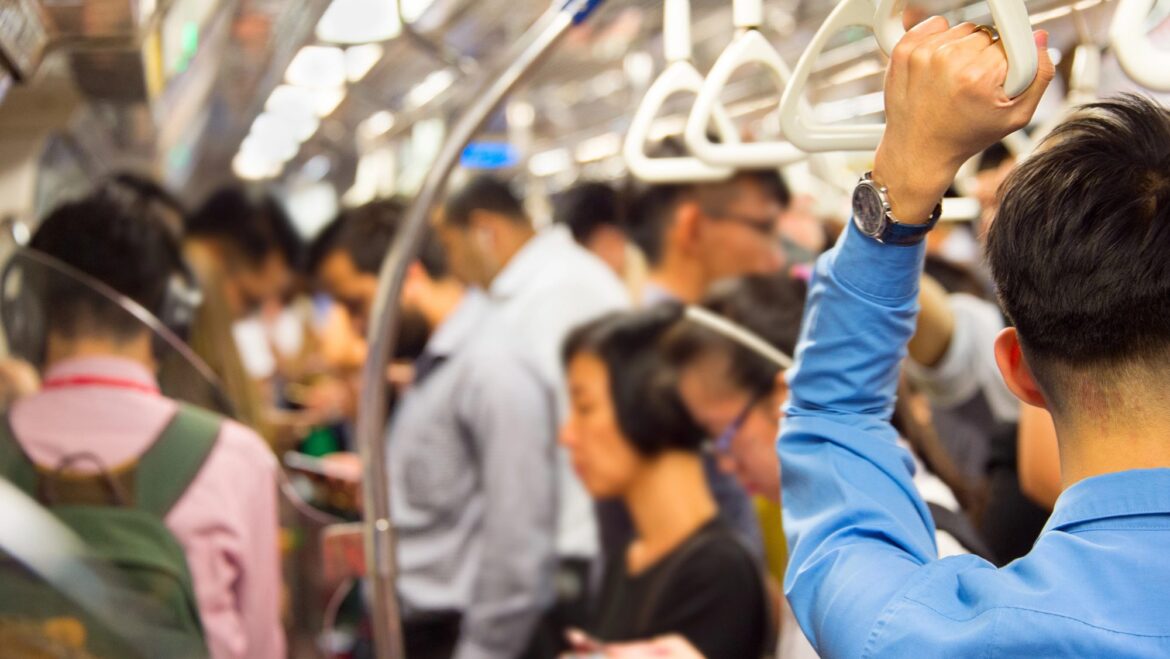
For millions of Australians, public transport is the lifeline that connects home, work, and social life. Yet, in major cities like Sydney, Melbourne, Brisbane, and Perth, commuters are increasingly facing crowded trains, buses, and trams. Rising urban populations, infrastructure limitations, and post-pandemic behavioral shifts have combined to make public transport a daily challenge for many. While transport authorities plan upgrades and expansions, Australians have adapted to new realities, finding ways to cope with the pressures of commuting in densely populated cities.

Crowded public transport affects not just travel times—it influences quality of life, work productivity, and mental wellbeing. Understanding how commuters adjust to these pressures provides insight into broader urban trends, infrastructure challenges, and the human experience of modern Australian city life.

Population Growth and Urban Congestion

Australia’s major cities have experienced sustained population growth, particularly in Sydney and Melbourne, where urban density has increased sharply over the past decade. The Australian Bureau of Statistics notes that Sydney’s population exceeded 5.3 million in 2025, while Melbourne reached 5.2 million. Brisbane, Perth, and other metropolitan areas have grown proportionally, with new arrivals drawn by economic opportunities, lifestyle appeal, and educational institutions.

With more people living in urban areas, demand for public transport has surged. Trains during peak hours are often packed beyond capacity, buses are delayed due to traffic congestion, and trams in inner Melbourne bustle with commuters from surrounding suburbs. Transport infrastructure, designed decades ago for smaller populations, struggles to keep pace with modern needs.

The Post-Pandemic Surge

The COVID-19 pandemic temporarily reduced commuting demand as work-from-home policies became widespread. Public transport usage fell sharply in 2020 and 2021, with Sydney trains carrying as little as 20–30% of pre-pandemic passengers during lockdown periods.

As restrictions eased, commuters returned—often in greater numbers than before. The resumption of office work, combined with international migration and population recovery, led to renewed congestion. Transport authorities faced a new challenge: balancing increased ridership with safety, reliability, and public expectations.

Daily Experiences of Commuters

For daily commuters, crowded transport means adapting in multiple ways:

  • Early or Late Travel: Many adjust their schedules to avoid peak-hour crushes. Departing earlier in the morning or returning later in the evening has become a common strategy.

  • Alternative Routes: Some commuters choose longer but less crowded routes, including combining bus and train trips or cycling to nearby stations.

  • Flexible Work Arrangements: Employees negotiate flexible hours or hybrid schedules to avoid peak travel. Companies in Sydney, Melbourne, and Brisbane increasingly support staggered shifts to reduce pressure on transport networks.

  • Digital Planning Tools: Mobile apps provide real-time updates on congestion, delays, and platform crowding, helping commuters make informed choices.

Emma, a 32-year-old marketing professional in Sydney, describes her morning routine: “I catch the train at 6:30 am instead of 7 am. Otherwise, the carriages are packed, and it’s stressful just trying to get a seat. I’ve also started walking part of the way to the station to avoid crowded platforms.”

Similarly, Liam, a university student in Melbourne, relies on apps to track tram occupancy and adjust his schedule. “If I see a tram is too full, I wait for the next one or change my route. It adds extra time, but it’s better than being stuck in a packed tram for 30 minutes.”

Pages: 1 2

Advertising

Across Australia, the rental market has become increasingly competitive, leaving tenants navigating tight supply, rising costs, and high expectations from landlords. From Sydney’s inner-city apartments to suburban Melbourne and Brisbane, renters face challenges that affect not just their wallets but their daily lives, work commutes, and social stability. Behind the statistics are real people sharing experiences of searching endlessly for suitable homes, competing against dozens of applicants, and adapting to market pressures that often feel beyond their control.

Understanding the lived experiences of renters sheds light on the broader dynamics of the Australian housing market, highlighting the intersection of economic trends, urban growth, government policies, and lifestyle choices.

The National Rental Landscape

In the past decade, Australia has seen rapid population growth concentrated in major cities, putting pressure on housing supply. According to CoreLogic and the Australian Bureau of Statistics, vacancy rates in Sydney and Melbourne have dropped below 1% in some areas during peak demand periods. This tight supply has led to significant rent increases. For example, Sydney’s median weekly rent rose from AUD 470 in 2015 to over AUD 600 in 2025, while Melbourne’s median jumped from around AUD 400 to AUD 550 over the same period.

High demand combined with limited supply has created a market where renters must act quickly, provide extensive documentation, and often pay above advertised prices just to secure a property. This competitive environment is particularly challenging for first-time renters, students, and low-income households.

Stories from Renters

For many Australians, renting is no longer just a short-term arrangement—it is a long-term reality.

  • Emma, 28, Sydney: “I’ve applied for over 15 apartments in the past three months. Each time, I feel like I’m racing against 20 or more other applicants. Even when I meet all the requirements, sometimes landlords choose someone with a slightly higher income or better references. It’s exhausting.”

  • Sam, 35, Melbourne: “Rent keeps going up every year, but my income hasn’t kept pace. I’ve had to compromise on location and size, moving further from work and friends just to afford a place that’s safe and decent.”

  • Priya, 24, Brisbane: “Finding a rental as a student is almost impossible. Many landlords prefer professionals with stable incomes, so I rely on co-signers or guarantors. It’s stressful and feels unfair.”

These stories reflect a broader trend of heightened competition, particularly in urban centers where housing demand is strongest.

Factors Driving the Competitive Market

Several factors contribute to Australia’s intense rental competition:

  1. Population Growth and Urban Migration
    As cities grow, the demand for housing increases faster than supply, particularly in desirable inner-city and suburban areas. Migration from interstate and overseas intensifies pressure on popular neighborhoods.

  2. Low Vacancy Rates
    Across major cities, low vacancy rates mean fewer available properties at any given time. Even slight surges in demand—such as new graduates entering the workforce or international students arriving—can push competition higher.

  3. Investor Activity
    Residential property investors have increasingly focused on long-term rentals, buying properties in high-demand areas and reducing the stock of owner-occupied homes. This has contributed to higher rents and fewer options for prospective renters.

  4. Economic Pressures
    Rising construction costs, interest rates, and inflation affect both landlords and tenants. Landlords may increase rents to cover expenses, while tenants face higher living costs, creating a challenging cycle.

  5. Short-Term and Holiday Rentals
    Platforms like Airbnb have diverted rental properties from long-term occupancy, particularly in tourist-friendly suburbs. This reduces supply for permanent residents, further tightening the market.

Impacts on Daily Life

Competition in the rental market extends beyond the search process—it affects everyday life for tenants.

  • Commutes and Location Choices: Many renters move further from workplaces, schools, and social networks to find affordable options, increasing travel time and transport costs.

  • Housing Quality and Compromise: To secure accommodation, renters may accept properties that are smaller, older, or in less desirable areas. Issues such as limited heating, outdated appliances, or minimal outdoor space become part of the compromise.

  • Financial Stress: Rising rents consume a larger portion of income, leaving less for essentials such as groceries, healthcare, and education. Some renters take on secondary jobs or reduce discretionary spending to cope.

  • Housing Stability: Short-term leases and frequent relocations disrupt routines, relationships, and community connections. Renters often feel insecure, especially when landlords increase rents or sell properties.

Responses from Renters

Many Australians have adapted strategies to navigate the competitive market:

  • Early Applications: Submitting documents and applications immediately, sometimes even before official listings, to improve chances.

  • Rental Guarantees: Offering higher security deposits or rental bonds to appeal to landlords.

  • Shared Accommodation: Renting with friends or strangers to reduce individual costs and increase access to desirable locations.

  • Relocation to Regional Areas: Some renters move to regional cities or outer suburbs where rents are lower and competition is less intense.

While these strategies help, they often come with trade-offs, including longer commutes, shared living challenges, and lifestyle adjustments.

Pages: 1 2

Water is Australia’s most precious resource, yet it is also one of its most contested and fragile. From the arid Outback to the lush subtropical coasts, the country’s climate variability, growing population, agricultural demands, and industrial needs make water management a complex and ongoing challenge. While Australians often take tap water for granted, behind every glass is a story of infrastructure, policy, environmental stewardship, and strategic planning designed to balance competing needs across a vast and diverse continent.

Over the past decade, water management has become increasingly critical. Droughts, bushfires, flooding, and climate change all amplify the urgency of careful planning and sustainable use. Understanding why water remains at the forefront of national priorities requires examining historical patterns, current pressures, and future strategies.

Australia’s Unique Water Challenges

Australia is the driest inhabited continent on Earth. Rainfall is unevenly distributed: the tropical north experiences monsoonal wet seasons, while southern regions face winter-dominated precipitation, and large areas of central Australia are effectively desert. This variability creates a constant tension between supply and demand.

Droughts are a recurring challenge. The Millennium Drought (1997–2009) and the more recent dry periods in southeastern Australia highlighted vulnerabilities in urban water supply, agriculture, and river systems. Water restrictions, dam levels falling to historic lows, and irrigation shortages revealed that traditional water management strategies were often insufficient for prolonged dry conditions.

Climate change compounds these challenges. Rising temperatures increase evaporation rates, alter rainfall patterns, and shift the timing and intensity of storms. Extreme weather events, from floods to heatwaves, test the resilience of existing water infrastructure and management policies.

Urban Water Supply and Population Growth

Australia’s growing population, concentrated in urban centers such as Sydney, Melbourne, Brisbane, and Perth, places additional pressure on water supply systems. Cities require reliable water for households, industry, hospitals, and public services. Population growth, coupled with climate variability, has made water security a central urban planning priority.

Urban water utilities have responded with a combination of measures:

  • Infrastructure investment: Expanding reservoirs, dams, and pipelines to secure supply.

  • Desalination: Facilities such as Sydney’s Kurnell plant and Melbourne’s Wonthaggi plant provide reliable water during droughts, though they are energy-intensive and expensive to operate.

  • Recycled water and stormwater harvesting: Innovative projects capture, treat, and reuse water for irrigation, industrial use, and environmental flows.

  • Demand management: Water restrictions, pricing incentives, and public awareness campaigns encourage households to reduce consumption.

Despite these efforts, cities remain vulnerable. Prolonged drought, heatwaves, and infrastructure strain can lead to shortages or increased reliance on costly alternative supplies.

Agriculture and Irrigation Demands

Agriculture consumes the majority of Australia’s water—often over 60% of total allocated water in some states—particularly in the Murray–Darling Basin, Australia’s most important agricultural region. Farmers rely on consistent water access for crops like rice, cotton, and fruit, as well as for livestock.

Droughts, variable rainfall, and river system management create tension between farmers, environmental needs, and urban users. Water trading systems, introduced to allow more flexible allocation, have partially addressed these challenges but also introduced complex market dynamics. Conflicts arise over rights, sustainability, and equitable distribution, particularly in times of scarcity.

Environmental flows are another critical consideration. Healthy rivers, wetlands, and floodplains depend on water to sustain ecosystems, support biodiversity, and maintain fisheries. Over-allocation and unsustainable extraction threaten these natural systems, highlighting the need for integrated water management that balances human and environmental needs.

Pages: 1 2

Advertising

Advertising