
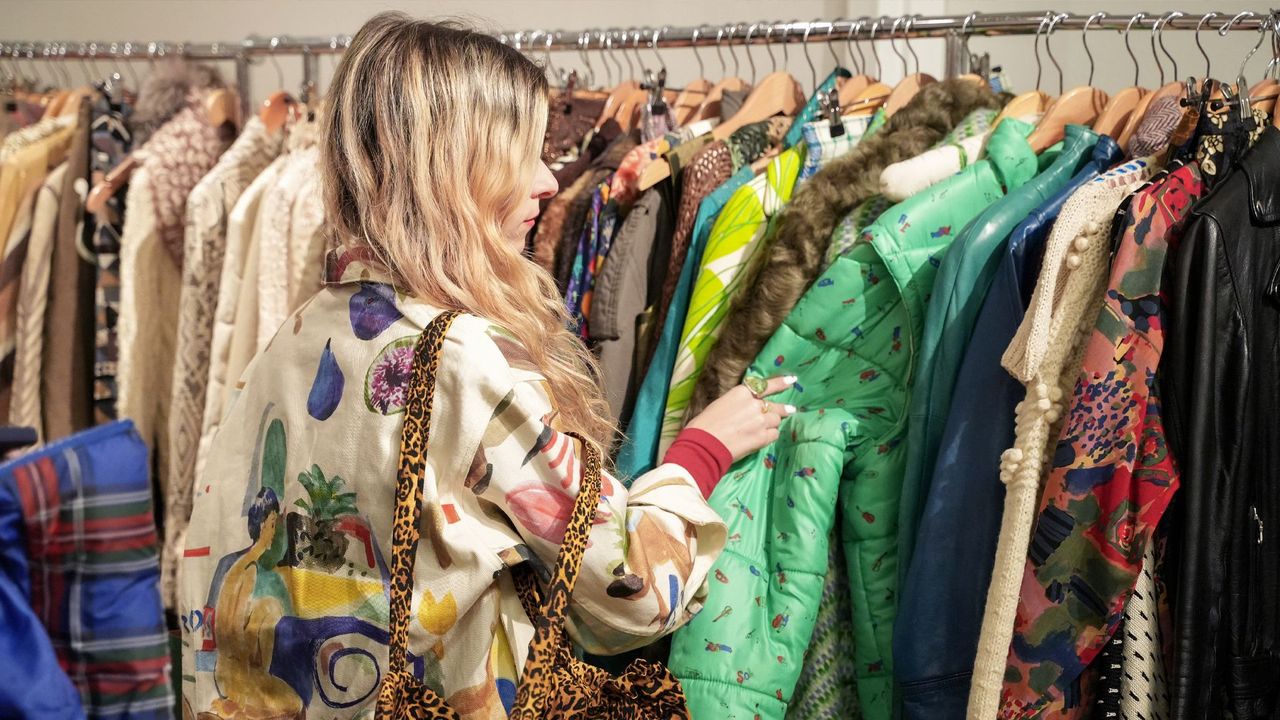
In Australia, a quiet revolution is taking place in how people consume, maintain, and value the things they own. Driven by rising living costs, environmental awareness, and a desire for individuality, second-hand and repair culture is rapidly gaining traction. Across the country, Australians are increasingly buying pre-loved items, repairing rather than replacing broken goods, and rethinking the traditional throwaway mindset. This shift is reshaping retail, influencing local economies, and even altering lifestyle habits, reflecting a growing cultural appreciation for sustainability, creativity, and resourcefulness.
Advertising
The Rise of Second-Hand Shopping
Second-hand shopping is no longer confined to dusty thrift stores or charity shops. Modern Australians have embraced second-hand goods across a wide range of categories: clothing, furniture, electronics, books, bicycles, and even home appliances.
Several factors have contributed to this surge:
-
Financial Incentives: With rising living costs, buying second-hand items offers a cost-effective alternative to new products. A designer jacket or quality piece of furniture can be acquired at a fraction of its original price.
-
Environmental Concerns: Australians are increasingly aware of the environmental impact of mass production and waste. Buying second-hand reduces landfill, conserves resources, and minimizes carbon footprints.
-
Online Marketplaces: Platforms like Gumtree, Facebook Marketplace, eBay, and Depop have made it easier than ever to buy and sell pre-owned goods, expanding access beyond local thrift stores.
-
Cultural Shift: Influencers, social media, and community movements promote the idea that pre-loved items can be stylish, unique, and socially responsible.
Emma, a 27-year-old designer from Melbourne, shares her experience: “I love shopping second-hand. I’ve found vintage pieces that are impossible to get anywhere else, and it feels good knowing I’m reducing waste and saving money at the same time.”
Repair Culture: Fixing Rather Than Tossing
Alongside second-hand shopping, repair culture—prioritizing fixing broken items over replacing them—is experiencing a resurgence. From electronics and appliances to clothing and bicycles, Australians are finding ways to extend the life of their possessions.
-
DIY Repair: Tutorials, YouTube videos, and maker communities empower individuals to repair items themselves. Whether it’s sewing a torn jacket, fixing a leaky tap, or refurbishing furniture, do-it-yourself repairs are gaining popularity.
-
Professional Repair Services: Local repair shops, cobblers, and bike mechanics are seeing increased demand as consumers seek affordable and sustainable alternatives to replacement.
-
Repair Cafés and Community Workshops: Pop-up repair events and community spaces allow people to bring broken items and learn to fix them alongside volunteers, fostering skill-sharing and social connection.
John, a 45-year-old mechanic in Brisbane, notes: “People are more conscious about repairing now. They’re willing to pay for quality repairs rather than constantly buying new products, which is great for the environment and for local businesses like mine.”
Impact on Retail and Consumer Habits
The growth of second-hand and repair culture is influencing traditional retail and consumer habits:
-
Decline of Fast Fashion and Disposable Goods: Consumers are becoming more selective, choosing durable items or pre-owned clothing instead of quickly discarding cheap, mass-produced fashion.
-
Rise of Circular Economy Models: Retailers are adopting resale, refurbishment, and take-back schemes to engage environmentally conscious customers. Brands like Patagonia and local Australian furniture and electronics stores encourage repairing and reselling items.
-
Increased Value Perception: Second-hand and repaired items are often valued for their uniqueness, craftsmanship, and history, altering perceptions of worth beyond the price tag.
Retail analysts report that the Australian second-hand clothing market alone was worth over AUD 2 billion in 2023, reflecting growing consumer demand. Online marketplaces are thriving, with millions of Australians buying and selling pre-loved goods each year.