
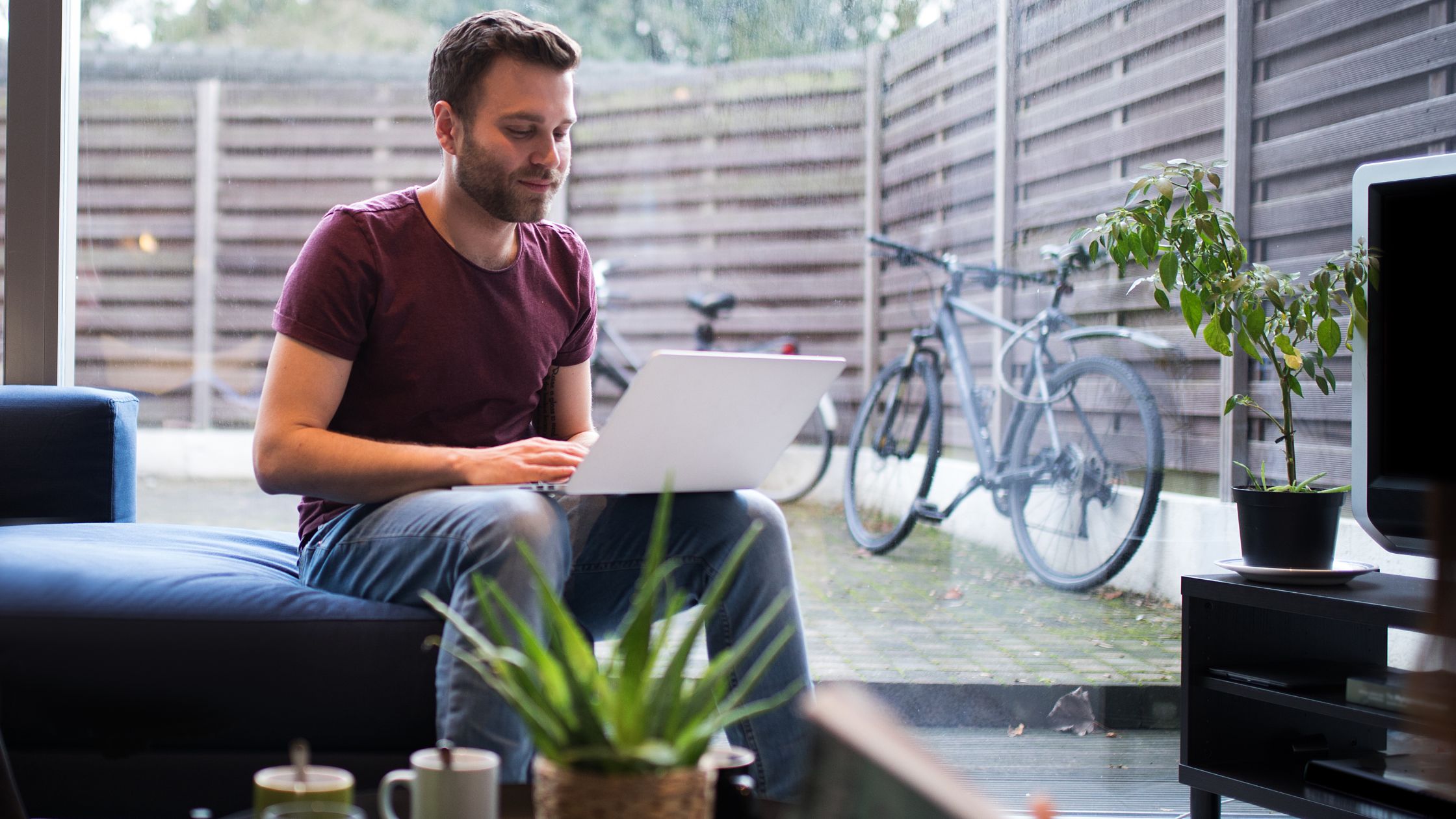
In the past decade, flexible work has transformed the way Australians live and work. The rise of remote work, hybrid schedules, and flexible hours has altered daily routines, commuting patterns, and even social and family dynamics. Once considered a perk or niche arrangement, flexible work has become a mainstream feature of many industries, particularly after the seismic disruptions caused by the COVID-19 pandemic. Its impact extends beyond office walls, influencing urban transport, local economies, mental health, and lifestyle choices across the country.
Advertising
Understanding how flexible work is reshaping daily life requires examining its origins, adoption across sectors, benefits, challenges, and long-term societal implications.
The Rise of Flexible Work
Flexible work arrangements are not entirely new, but their prevalence has accelerated dramatically in Australia. According to the Australian Bureau of Statistics (ABS), prior to 2020, roughly 25% of employees occasionally worked from home. By 2022, this figure had surged, with nearly 40% of Australians reporting some form of remote or hybrid work. Industries such as technology, finance, professional services, and government have embraced flexible schedules more rapidly than manufacturing, retail, or healthcare, where on-site presence is often essential.
The COVID-19 pandemic was a tipping point. Lockdowns forced businesses to adapt quickly to remote work, highlighting the feasibility of flexible arrangements for many office-based roles. Employers realized that productivity could be maintained, or even increased, while employees gained greater autonomy over their schedules. Hybrid models—combining office and home work—emerged as a preferred solution, offering both flexibility and in-person collaboration.
Daily Routines Transformed
Flexible work has fundamentally altered daily routines for Australians in several ways:
-
Commute Patterns: With fewer employees required to travel daily, peak-hour congestion has eased in some areas, though patterns have shifted. Many now commute mid-morning or mid-afternoon, reducing stress and allowing more time for personal activities. Sydney’s and Melbourne’s public transport systems, while still busy, have seen a flattening of peak loads.
-
Morning and Evening Rituals: Employees can start and finish work at times that suit their personal rhythms. Some choose early morning shifts to finish by early afternoon, allowing time for exercise, family, or hobbies. Others prefer later start times, avoiding peak traffic and aligning work with energy levels.
-
Work-Life Integration: Flexible schedules allow individuals to balance professional and personal responsibilities more effectively. Parents can coordinate work with childcare or school routines, while others may pursue further education, volunteering, or personal projects during traditional work hours.
-
Home Office and Workspace Evolution: Many Australians have adapted their homes to include dedicated workspaces. Ergonomic furniture, high-speed internet, and collaborative tools have become standard. For those lacking space, co-working hubs and café workspaces offer alternatives.
Sarah, a 34-year-old marketing manager in Melbourne, shares her experience: “I used to spend two hours commuting each day. Now I work from home three days a week. My mornings start with yoga and breakfast with my kids. The flexibility has improved my wellbeing and family life immensely.”