
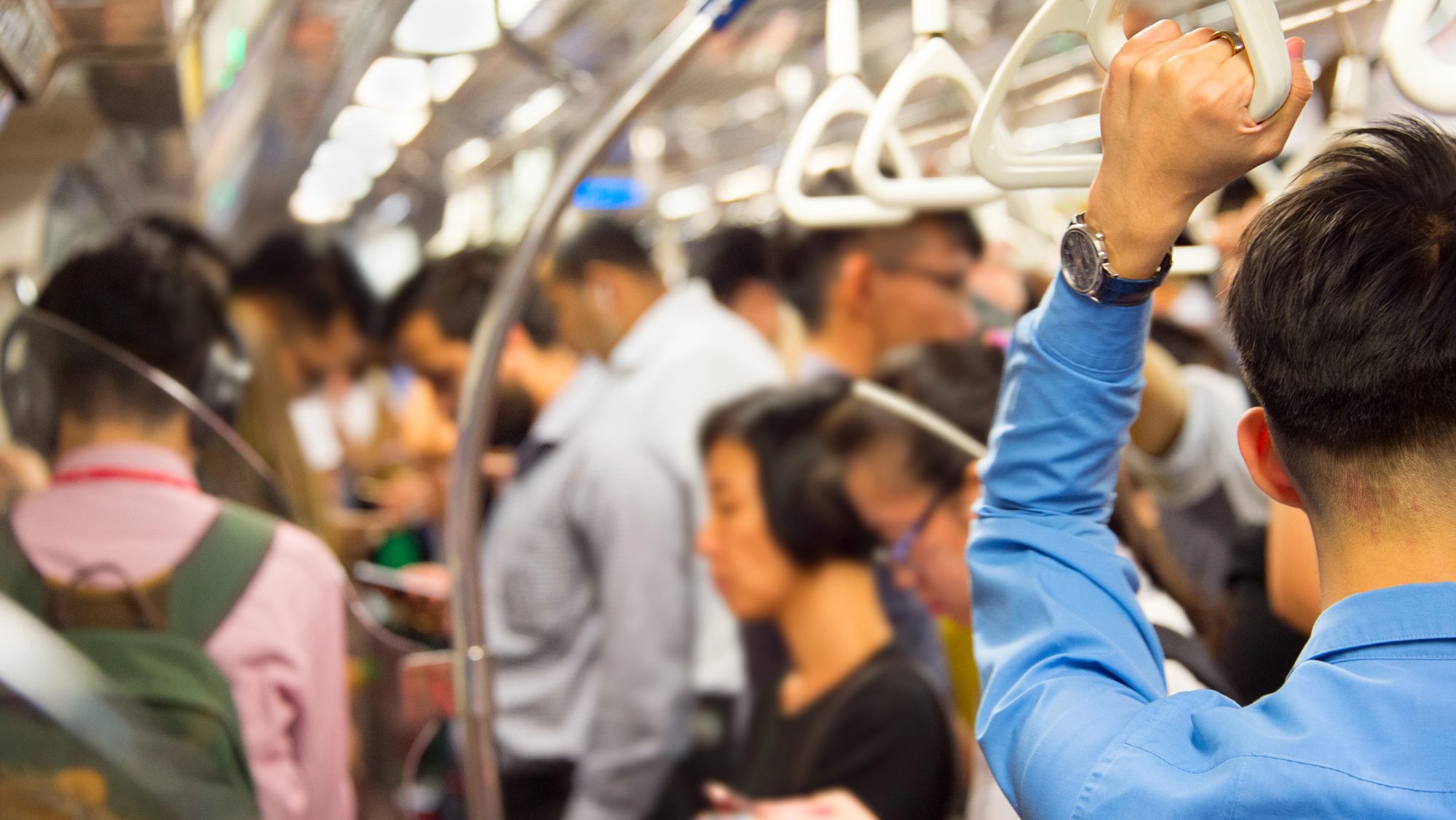
For millions of Australians, public transport is the lifeline that connects home, work, and social life. Yet, in major cities like Sydney, Melbourne, Brisbane, and Perth, commuters are increasingly facing crowded trains, buses, and trams. Rising urban populations, infrastructure limitations, and post-pandemic behavioral shifts have combined to make public transport a daily challenge for many. While transport authorities plan upgrades and expansions, Australians have adapted to new realities, finding ways to cope with the pressures of commuting in densely populated cities.
Advertising
Crowded public transport affects not just travel times—it influences quality of life, work productivity, and mental wellbeing. Understanding how commuters adjust to these pressures provides insight into broader urban trends, infrastructure challenges, and the human experience of modern Australian city life.
Population Growth and Urban Congestion
Australia’s major cities have experienced sustained population growth, particularly in Sydney and Melbourne, where urban density has increased sharply over the past decade. The Australian Bureau of Statistics notes that Sydney’s population exceeded 5.3 million in 2025, while Melbourne reached 5.2 million. Brisbane, Perth, and other metropolitan areas have grown proportionally, with new arrivals drawn by economic opportunities, lifestyle appeal, and educational institutions.
With more people living in urban areas, demand for public transport has surged. Trains during peak hours are often packed beyond capacity, buses are delayed due to traffic congestion, and trams in inner Melbourne bustle with commuters from surrounding suburbs. Transport infrastructure, designed decades ago for smaller populations, struggles to keep pace with modern needs.
The Post-Pandemic Surge
The COVID-19 pandemic temporarily reduced commuting demand as work-from-home policies became widespread. Public transport usage fell sharply in 2020 and 2021, with Sydney trains carrying as little as 20–30% of pre-pandemic passengers during lockdown periods.
As restrictions eased, commuters returned—often in greater numbers than before. The resumption of office work, combined with international migration and population recovery, led to renewed congestion. Transport authorities faced a new challenge: balancing increased ridership with safety, reliability, and public expectations.
Daily Experiences of Commuters
For daily commuters, crowded transport means adapting in multiple ways:
-
Early or Late Travel: Many adjust their schedules to avoid peak-hour crushes. Departing earlier in the morning or returning later in the evening has become a common strategy.
-
Alternative Routes: Some commuters choose longer but less crowded routes, including combining bus and train trips or cycling to nearby stations.
-
Flexible Work Arrangements: Employees negotiate flexible hours or hybrid schedules to avoid peak travel. Companies in Sydney, Melbourne, and Brisbane increasingly support staggered shifts to reduce pressure on transport networks.
-
Digital Planning Tools: Mobile apps provide real-time updates on congestion, delays, and platform crowding, helping commuters make informed choices.
Emma, a 32-year-old marketing professional in Sydney, describes her morning routine: “I catch the train at 6:30 am instead of 7 am. Otherwise, the carriages are packed, and it’s stressful just trying to get a seat. I’ve also started walking part of the way to the station to avoid crowded platforms.”
Similarly, Liam, a university student in Melbourne, relies on apps to track tram occupancy and adjust his schedule. “If I see a tram is too full, I wait for the next one or change my route. It adds extra time, but it’s better than being stuck in a packed tram for 30 minutes.”