
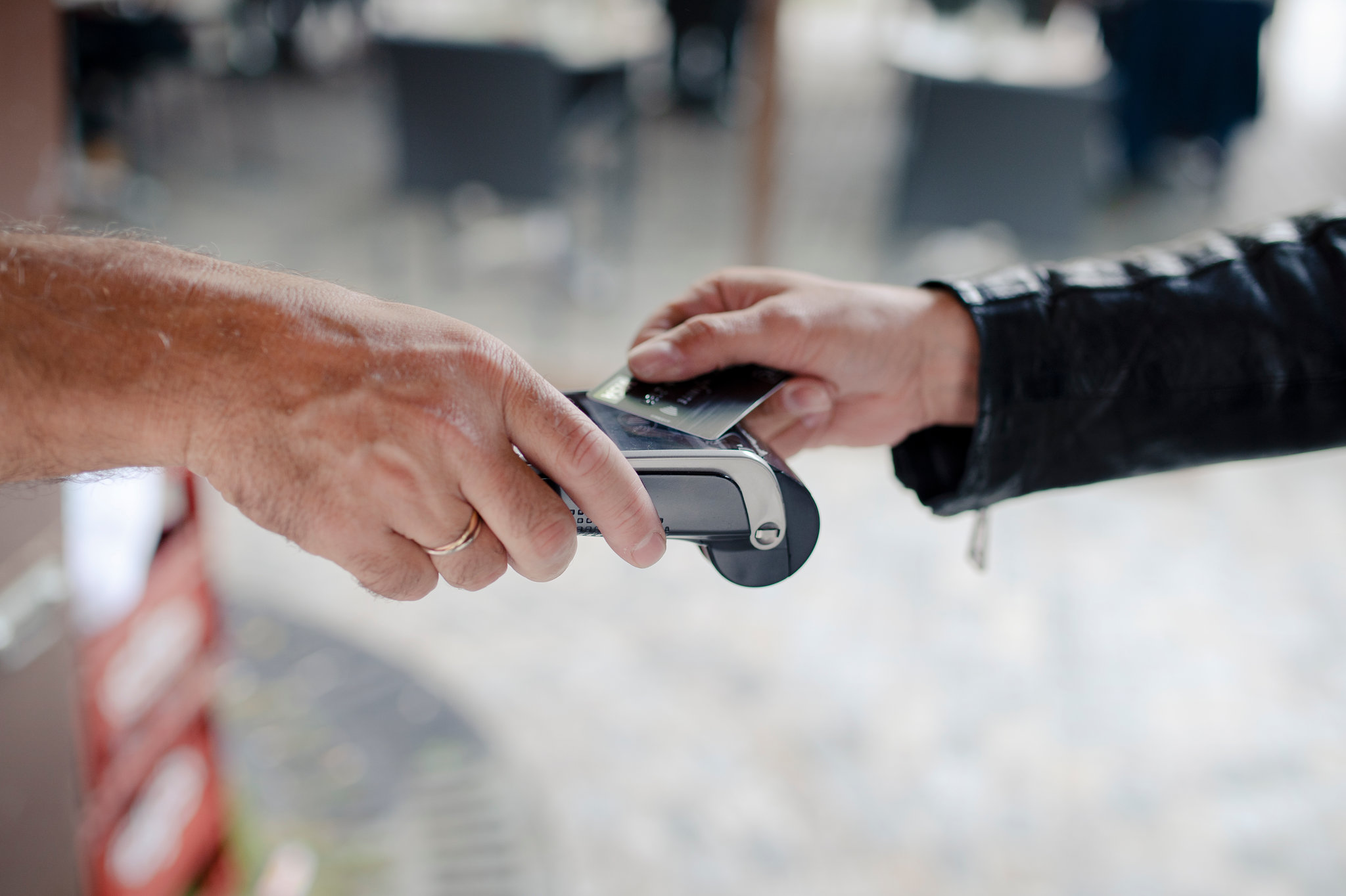
In Australia, the way people pay for goods and services is changing faster than ever. Over the past decade, cash has steadily lost ground to digital alternatives, and today, cashless payments are becoming the default in many everyday transactions. From grocery shopping and café visits to public transport and utilities, Australians increasingly rely on contactless cards, mobile wallets, and online payment systems.
Advertising
This shift is not only technological but cultural, reflecting changing consumer preferences, business practices, and broader economic trends. Understanding how and why Australians are embracing cashless payments provides insight into the country’s financial habits, security considerations, and the future of commerce.
The Rise of Cashless Transactions
Cashless payment systems include credit and debit cards, mobile wallets like Apple Pay and Google Pay, and online platforms such as PayPal or Afterpay. The adoption of these methods has been fueled by several factors:
-
Convenience: Contactless and mobile payments allow faster checkouts, eliminating the need to carry physical money.
-
Safety and Hygiene: The COVID-19 pandemic accelerated the adoption of cashless payments as consumers sought to minimize physical contact.
-
Technological Integration: Smartphones, point-of-sale terminals, and apps have made digital payments more accessible and reliable.
-
Rewards and Incentives: Cashback programs, loyalty points, and promotional offers encourage users to adopt digital methods.
According to the Reserve Bank of Australia (RBA), cash accounted for only around 25% of all point-of-sale transactions by 2023, down from nearly 70% in 2007. Among urban populations, cash usage in cafés, retail stores, and public transport is increasingly rare.
Everyday Examples
The move towards cashless payments is evident across everyday life:
-
Retail and Supermarkets: Chains such as Woolworths and Coles encourage contactless card payments and self-checkout options. Many shoppers now pay with mobile wallets or tap-and-go cards for convenience and speed.
-
Cafés and Restaurants: Small cafés in Sydney, Melbourne, and Brisbane often accept only card or mobile payments. Tipping is also managed through digital interfaces rather than cash.
-
Public Transport: Systems like Opal in Sydney, Myki in Melbourne, and Go Card in Brisbane use electronic cards and contactless payments, with cash often no longer accepted for daily travel.
-
Online Shopping and Services: The explosion of e-commerce platforms, from Amazon to local retailers, relies entirely on digital payment methods. Subscription services like Netflix, Spotify, and gym memberships further normalize cashless transactions.
Consumer Perspectives
For many Australians, cashless payments have become second nature.
-
Emma, 28, Sydney: “I haven’t carried cash in years. I just use my card or phone to pay for groceries, coffee, and travel. It’s faster, safer, and I can track my spending easily.”
-
Liam, 42, Melbourne: “I started using Apple Pay during the pandemic, and now it’s just part of my routine. I like that I don’t need to worry about coins or notes, especially when I’m rushing.”
Even in smaller towns and regional areas, mobile payments are increasingly common, although adoption is slightly slower due to connectivity and infrastructure limitations.
Business Adaptation
Businesses have embraced cashless transactions for operational and security reasons:
-
Efficiency: Digital payments reduce transaction times, speed up checkouts, and minimize the handling of cash.
-
Security: Less cash on premises reduces the risk of theft, robbery, and human error in counting.
-
Data and Analytics: Digital transactions provide businesses with valuable insights into customer behavior, spending patterns, and inventory management.
-
Online Expansion: Accepting digital payments is essential for businesses looking to sell online or offer click-and-collect services.
Many small businesses now rely exclusively on digital payments. According to the Australian Small Business and Family Enterprise Ombudsman, more than half of small businesses surveyed in 2023 reported rarely or never handling cash, particularly in urban areas.