
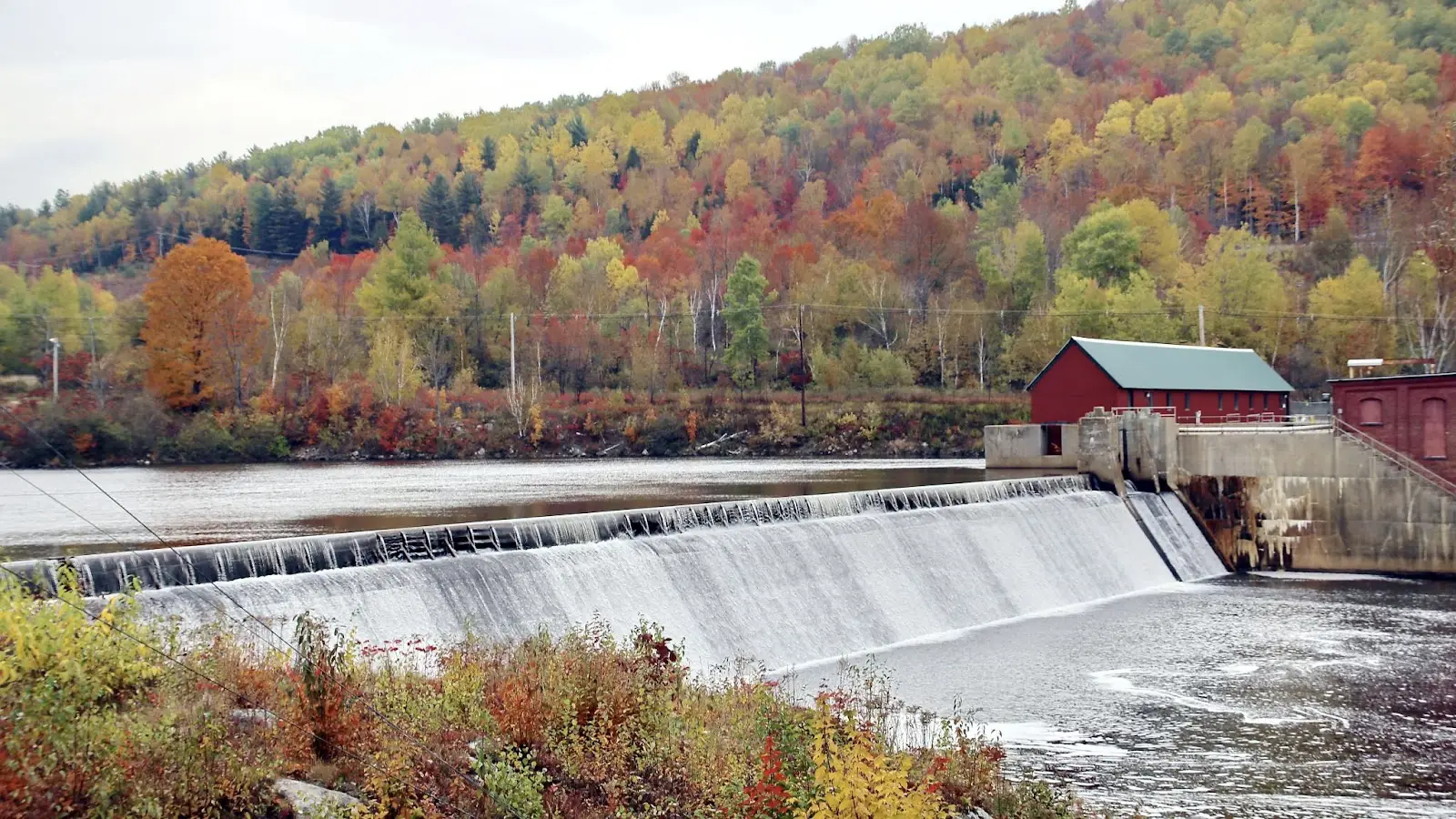
Extreme Weather and Flooding
While drought captures headlines, flooding is an equally important concern. Australia’s climate variability means that periods of drought can be abruptly followed by extreme rainfall, as seen in Queensland’s 2010–2011 floods or the 2022 eastern Australia flooding.
Advertising
Effective water management must accommodate both scarcity and excess. Urban drainage, flood levees, and stormwater systems are essential to protect communities, while river management and dam operations must anticipate sudden inflows. Climate change increases the frequency of such events, challenging traditional infrastructure design and necessitating adaptive planning.
Water Quality and Public Health
Water management is not only about quantity; quality is equally vital. Contaminants, algal blooms, and pollution can compromise water safety, particularly in rivers and reservoirs feeding urban supply systems. Ensuring clean drinking water requires continuous monitoring, treatment, and maintenance of distribution networks.
For rural and remote communities, water quality can be a persistent concern. Infrastructure gaps, limited resources, and geographic isolation increase vulnerability, making water management a matter of both equity and public health.
Policy, Governance, and Collaboration
Australia’s water management is highly regulated, involving federal, state, and local authorities. Key frameworks include:
-
Murray–Darling Basin Plan: A landmark policy aiming to balance agricultural, environmental, and community water needs across one of the country’s most important river systems.
-
State Water Strategies: State governments manage urban supply, allocation, and licensing, with policies tailored to local climate and infrastructure realities.
-
National Water Initiative: Provides guidelines for sustainable management, water trading, and inter-jurisdictional cooperation.
Collaboration is essential. Water management requires coordination among government agencies, farmers, businesses, environmental groups, and communities to ensure sustainable and equitable allocation. Conflicts over water rights, particularly during scarcity, illustrate the delicate balance between competing interests.
Technological Innovation in Water Management
Technological advances are reshaping water management strategies across the country:
-
Desalination plants provide emergency supply during droughts.
-
Smart meters and sensors monitor consumption, leakage, and water quality in real-time.
-
Advanced irrigation systems optimize water use in agriculture, reducing waste and increasing efficiency.
-
Water recycling and reuse projects convert wastewater into safe, usable water for agriculture, industry, and urban landscapes.
Innovation offers solutions to the twin challenges of scarcity and variability, though implementation requires investment, expertise, and public support.
Community Engagement and Awareness
Public awareness campaigns play a crucial role in water conservation. Australians have adapted to changing water conditions through behavioral shifts, including reduced household consumption, rainwater harvesting, and participation in community water programs.
Education and engagement foster a sense of shared responsibility, emphasizing that sustainable water use is not just a policy challenge but a collective societal duty.
Looking Ahead
Water management will remain critical as Australia faces continued population growth, climate change, and environmental pressures. Future strategies must integrate urban, agricultural, and environmental needs while leveraging technology, policy, and community participation.
Investments in infrastructure, sustainable allocation systems, and climate-adaptive planning are essential to ensure water security for cities, farms, and natural ecosystems. Water resilience is not merely an environmental concern—it underpins economic stability, social wellbeing, and national prosperity.
Conclusion
Australia’s water challenges are as diverse as its landscapes. From arid deserts to bustling coastal cities, from farmland to national parks, water management is a continuous balancing act involving supply, demand, quality, and environmental protection.
Extreme weather events, population growth, agricultural demands, and climate change make careful management more important than ever. Strategic planning, technological innovation, collaborative governance, and community engagement are all crucial to maintaining secure, sustainable water systems.
For Australians, the stakes are high: the quality of life, economic productivity, and ecological health of the country all depend on how water is managed today and into the future. As a scarce and vital resource, water requires ongoing attention, investment, and innovation to ensure that it continues to support both people and the environment across the nation.