
Energy and Infrastructure Stress
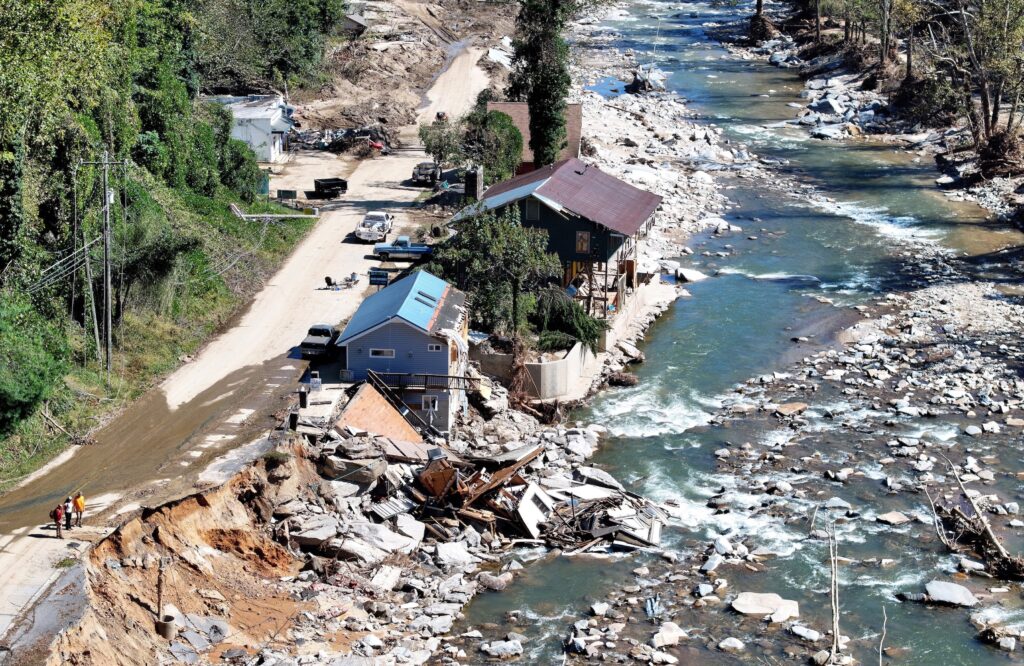
Extreme weather exposes the fragility of critical infrastructure. During heatwaves, peak electricity demand spikes as air conditioning usage soars, sometimes exceeding grid capacity. Floods and storms can damage roads, railways, airports, and ports, disrupting transport and logistics. Telecommunications networks are also vulnerable, affecting both personal and business communication.
Advertising
Energy systems are increasingly reliant on diverse generation sources, including renewables like solar and wind. While these technologies are essential for sustainability, their intermittency can pose challenges during extreme events if not paired with storage or backup solutions. Recent blackouts in South Australia and New South Wales during heatwaves illustrate the challenges of balancing supply and demand under stress.
Insurance and Risk Management
Insurance markets are adapting to more frequent and severe events, but the adjustments can be costly for consumers. Premiums in high-risk areas—coastal regions prone to cyclones or floodplains—have surged, making it difficult for some households to maintain coverage. Some insurers have reduced coverage in the most exposed areas, shifting risk back to governments and individuals.
Businesses, too, face higher insurance costs, which are often passed on to consumers. This creates a feedback loop: extreme weather drives costs higher, which then pressures household budgets and business operations, reinforcing the disruptive cycle.
Adaptation and Resilience Measures
Australia is responding to these challenges through mitigation, adaptation, and resilience strategies. Governments, local councils, and communities are investing in:
-
Improved infrastructure: Flood-resistant roads, reinforced bridges, firebreaks, and modern drainage systems.
-
Early warning systems: Advanced meteorological forecasting and alert networks help residents prepare for impending storms or heatwaves.
-
Urban planning reforms: Restrictions on building in high-risk zones, improved building codes, and land use planning reduce exposure to disasters.
-
Renewable energy and storage: Distributed solar, battery systems, and resilient grids enhance energy security during extreme events.
-
Community programs: Education, emergency preparedness, and support networks increase societal resilience.
Despite these efforts, experts emphasize that adaptation must keep pace with the increasing intensity of events. Collaboration across government, business, and community sectors is essential to prevent losses and protect lives.
Global Interconnections
Australia’s experience mirrors a global trend: extreme weather events are becoming more disruptive worldwide. International supply chains, energy markets, and financial systems mean that severe events in one region can have ripple effects globally, affecting prices, availability, and risk assessments in Australia. For example, floods in Europe can influence global wheat prices, while cyclones in Southeast Asia may disrupt shipping routes critical to Australian imports.
Understanding extreme weather as a global issue helps frame domestic policies and personal planning, highlighting the interconnected nature of modern economies and societies.
Looking Forward
The outlook suggests that extreme weather events will remain disruptive and may intensify in the coming decades. Heatwaves, bushfires, floods, and storms are likely to occur more frequently, with greater economic, social, and environmental impacts. Planning for resilience, investing in adaptation, and reducing greenhouse gas emissions remain critical.
Households, businesses, and governments must continue to innovate and prepare. Early warning systems, resilient infrastructure, insurance reform, and community engagement are part of a broader strategy to mitigate the impact of these increasingly common events.
Conclusion
Extreme weather events in Australia are no longer rare, localized incidents—they are becoming a defining feature of modern life. The combination of climate change, urban expansion, infrastructure vulnerability, and global interconnections has made these events more frequent, intense, and disruptive.
The impacts are widespread: economic losses, social disruption, energy stress, and personal hardship all underscore the urgency of understanding and addressing the challenges. While adaptation and resilience measures offer hope, they require coordinated effort, innovation, and foresight.
For Australians, preparing for extreme weather is no longer optional—it is a necessity. From households and businesses to policymakers and emergency services, everyone has a role in navigating a future where storms, heatwaves, and floods are increasingly powerful and disruptive forces shaping daily life.