
Regional Variations
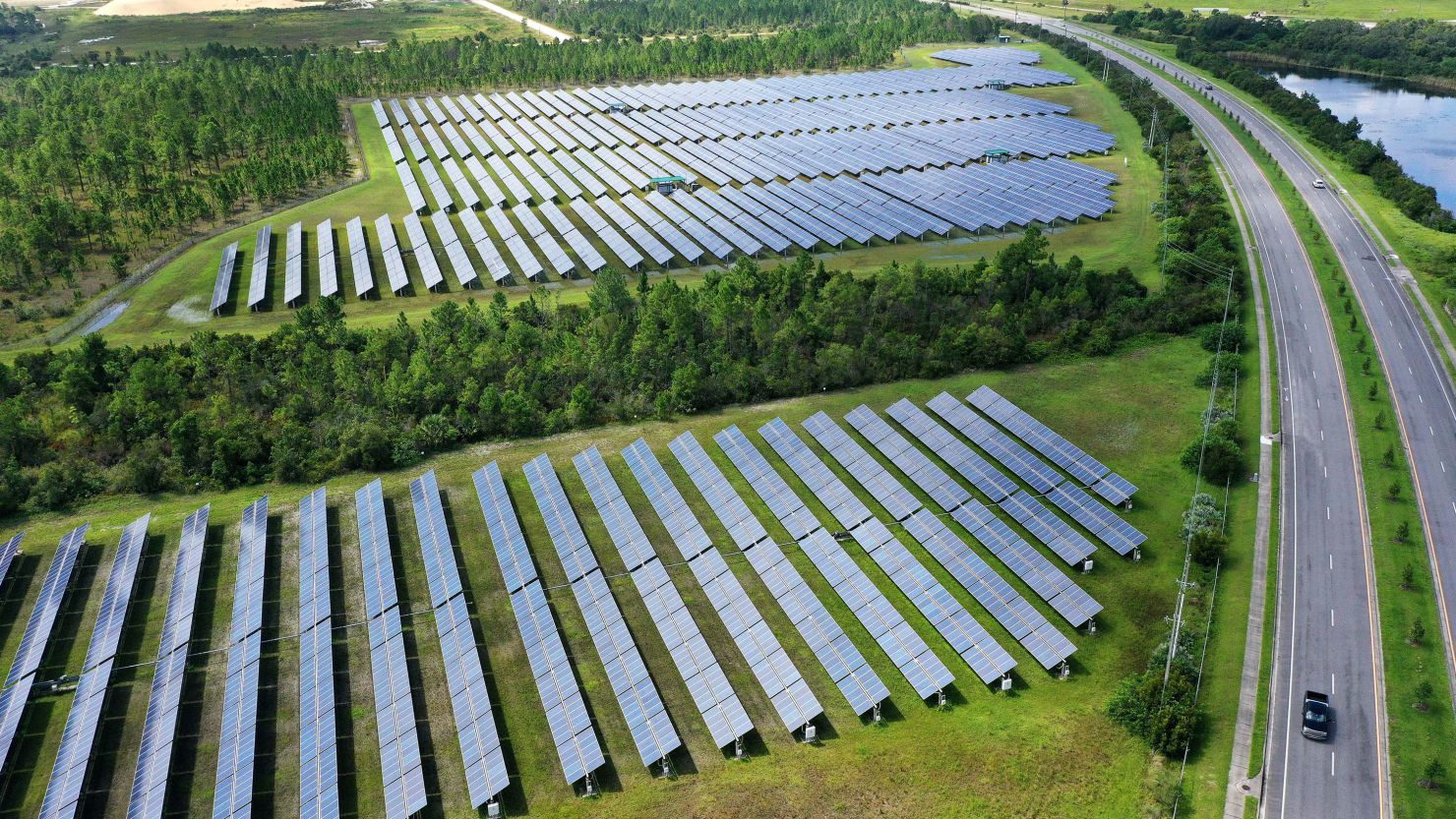
The pace and nature of energy mix changes vary across states. South Australia leads in renewable adoption, with wind and solar exceeding 60% of total generation during certain periods. Victoria remains heavily reliant on brown coal but has expanded wind generation significantly. Queensland benefits from abundant solar resources, both at utility-scale and household level. Western Australia, largely disconnected from the national grid, has pursued local renewable projects alongside gas generation to meet regional needs.
Advertising
These variations reflect differences in resource availability, policy frameworks, infrastructure, and market dynamics, highlighting that Australia’s energy transition is uneven but accelerating nationwide.
Impact on Prices and Reliability
The changing energy mix has influenced household and business energy costs. While renewables reduce operating costs in the long term, the transition has been accompanied by infrastructure investments, network upgrades, and policy adjustments that have temporarily increased retail electricity prices. Intermittency of solar and wind can also lead to price volatility during peak demand, requiring market mechanisms to balance supply and demand.
Energy storage, demand response programs, and grid modernization are increasingly critical to ensuring reliability. Large-scale batteries, such as the Hornsdale Power Reserve in South Australia, demonstrate how storage can smooth renewable output, reduce reliance on fossil fuels during peak periods, and stabilize prices.
Looking Ahead
The next decade promises further transformation. Australia’s federal government has set ambitious renewable energy targets, aiming for net-zero emissions by 2050. This will accelerate investment in wind, solar, storage, and possibly emerging technologies like green hydrogen. Coal-fired power will continue to decline, replaced gradually by flexible, low-emission generation.
Households and businesses will also play a larger role, with rooftop solar, battery storage, and smart energy management systems contributing to grid stability and cost savings. Technological innovation, combined with supportive policy frameworks, will be essential to balance affordability, sustainability, and reliability.
Conclusion
Over the past decade, Australia’s energy mix has shifted from a coal-dominated system toward a more diversified portfolio emphasizing renewable energy. Wind, solar, and battery technologies now play an increasingly important role, while coal continues to provide critical base-load power. Gas and hydro complement renewables, ensuring reliability during periods of low solar and wind output.
This transition reflects a complex interplay of policy, technology, economics, and societal choice. While challenges remain—particularly regarding grid stability, price volatility, and equitable access—the transformation of Australia’s energy system is underway. For households, businesses, and policymakers, understanding this evolving landscape is essential, as it shapes everything from monthly electricity bills to long-term energy security and environmental sustainability.
Australia’s energy journey over the past decade illustrates that change is possible, but it is neither simple nor linear. The coming years will determine how effectively the nation can balance affordability, reliability, and sustainability in an era defined by both climate urgency and technological opportunity.