
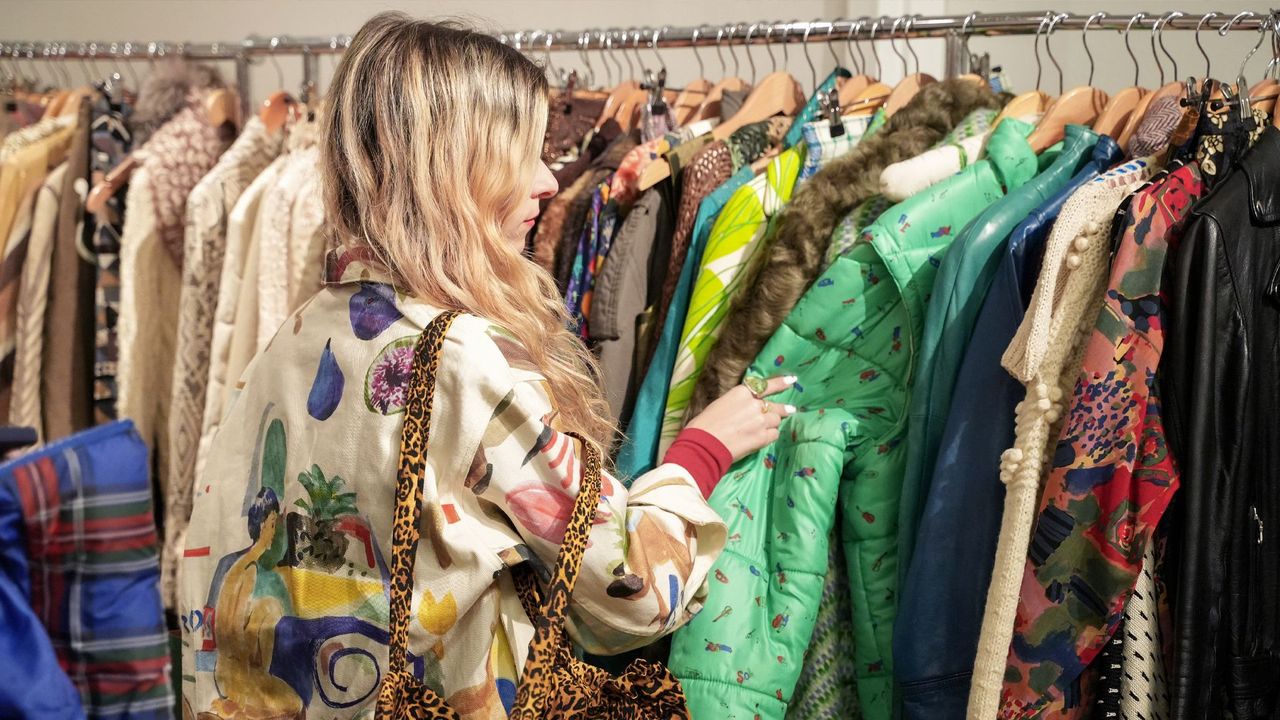
Environmental and Social Benefits
Second-hand and repair culture carries significant benefits beyond cost savings:
Advertising
-
Waste Reduction: By extending the life of items, fewer products end up in landfills. According to Planet Ark, Australians dispose of millions of tonnes of waste annually, and increased reuse can help mitigate this impact.
-
Resource Conservation: Manufacturing new goods consumes energy, water, and raw materials. Repairing or buying pre-loved items reduces demand for new production.
-
Community Engagement: Swap events, repair cafés, and online resale groups foster social connection and skill-sharing within communities.
-
Mental Health and Wellbeing: Engaging in repair and creative reuse can provide satisfaction, purpose, and a sense of achievement.
For example, in Sydney’s inner suburbs, repair cafés and community workshops attract a diverse mix of participants—students, retirees, families—who come together to fix household items, share knowledge, and socialize, reinforcing community bonds.
Barriers and Considerations
Despite the growing popularity, there are still barriers to wider adoption of second-hand and repair culture:
-
Perceived Quality and Safety: Some consumers remain cautious about the condition, hygiene, or longevity of pre-owned items, particularly electronics and children’s products.
-
Availability and Access: While urban areas offer abundant options, regional and remote towns may have limited access to second-hand stores or repair services.
-
Skill and Confidence: DIY repair requires knowledge and tools, which not everyone possesses. Community programs and tutorials help, but barriers remain.
-
Cultural Norms: In certain demographics, buying second-hand is still associated with lower status or undesirable quality, although this perception is changing rapidly.
The Role of Technology
Technology has accelerated the adoption of second-hand and repair culture in Australia:
-
Online Marketplaces: Apps and websites simplify buying, selling, and exchanging goods, making second-hand shopping convenient and accessible.
-
Instructional Content: Video tutorials, blogs, and forums provide step-by-step guidance for repairs, empowering people to fix items themselves.
-
Community Networks: Social media groups and local online forums connect people to swap items, organize repair events, and share tips.
Lisa, a 32-year-old teacher in Perth, explains: “I learned how to refurbish furniture using YouTube tutorials. I bought a second-hand desk, cleaned it up, painted it, and now it looks brand new. It’s satisfying, cost-effective, and sustainable.”
Future Trends
The momentum behind second-hand and repair culture shows no signs of slowing:
-
Increased Corporate Engagement: More Australian businesses are integrating resale, refurbishment, and repair into their models, responding to consumer demand for sustainability.
-
Expansion Beyond Urban Areas: As awareness grows, regional towns are seeing more second-hand shops, swap events, and repair services.
-
Integration with Circular Economy Goals: Government initiatives and private sector programs increasingly promote reusing and repairing items as part of broader environmental strategies.
-
Cultural Normalization: Younger generations embrace these practices as standard rather than alternative, shifting societal attitudes toward consumption and sustainability.
Voices from Australians Embracing the Movement
-
Emma, Melbourne: “I regularly buy second-hand clothing and furniture. It’s cheaper, more sustainable, and I often find unique items I wouldn’t see in a regular store.”
-
John, Brisbane: “Repair work has picked up a lot. People realize it’s better value to fix their appliances than to throw them away.”
-
Sophie, Sydney: “I’ve started swapping clothes with friends and colleagues. It’s fun, eco-friendly, and helps me refresh my wardrobe without spending a fortune.”
These examples show how second-hand shopping and repair culture are becoming ingrained in Australian lifestyles, influencing spending habits, social interactions, and environmental consciousness.
Conclusion
Second-hand and repair culture in Australia is more than a trend—it’s a movement reshaping consumption, community engagement, and environmental responsibility. Australians are increasingly valuing durability, sustainability, and uniqueness over the convenience of new, disposable goods.
As online marketplaces, community initiatives, and corporate programs expand, more people will engage in buying pre-loved items and repairing rather than replacing. This cultural shift not only offers economic benefits for households but also promotes environmental sustainability, strengthens communities, and fosters skills and creativity.
The rise of second-hand and repair culture demonstrates a broader evolution in Australian society, where mindful consumption, resourcefulness, and a circular economy mindset are becoming key aspects of everyday life. For many Australians, choosing to buy second-hand or repair an item is no longer a compromise—it’s a conscious, practical, and rewarding choice.