
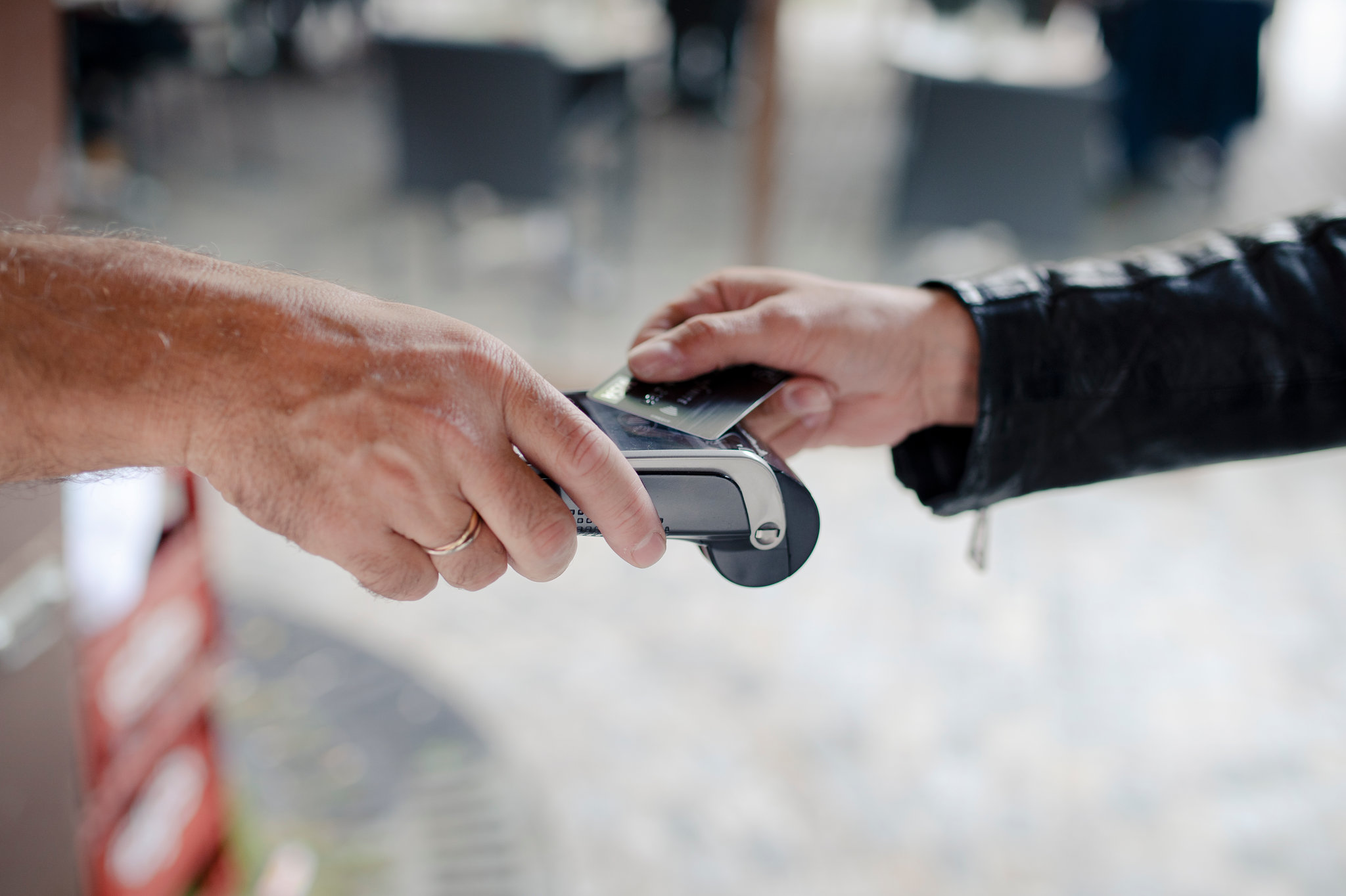
Security and Privacy Considerations
The shift to cashless payments comes with both advantages and concerns:
Advertising
-
Fraud Prevention: Contactless cards and secure online payment gateways have multiple layers of encryption, reducing the risk of theft compared to cash.
-
Traceability: Digital payments are recorded, providing transparency and easier record-keeping for budgeting and tax purposes.
-
Privacy Concerns: Some consumers worry about data tracking, targeted advertising, and potential breaches of personal financial information.
-
Reliability: System outages, connectivity issues, or technical failures can temporarily disrupt transactions, highlighting the importance of robust infrastructure.
Banks and financial institutions continue to invest heavily in cybersecurity, while consumers are encouraged to monitor statements and use multi-factor authentication to protect accounts.
Impacts on Everyday Life
Cashless payments have subtly reshaped daily routines and consumer behavior:
-
Spending Habits: Some studies suggest that people spend more when using cards or mobile payments, as the physical exchange of money is less tangible.
-
Budgeting Tools: Digital payments integrate with apps and online banking, enabling users to track expenses, categorize spending, and plan finances more effectively.
-
Cultural Shift: The cultural expectation is now to have a card or mobile payment ready, with cash becoming a less socially necessary medium.
-
Inclusivity Challenges: Elderly populations or those without access to banking or smartphones may face difficulties, raising questions about financial inclusion.
Regional Considerations
While cities lead the way in cashless adoption, regional and remote areas experience a different pace:
-
Infrastructure Limitations: Some small towns lack widespread contactless terminals or reliable internet, slowing adoption.
-
Community Preferences: In certain regions, cash remains culturally entrenched, particularly among older generations or small-scale vendors.
-
Transition Programs: Local councils and financial institutions are implementing programs to facilitate digital literacy and expand access to payment technologies.
The Future of Cashless Australia
The trajectory suggests that cashless payments will continue to expand and evolve:
-
Integration of Mobile and Wearable Devices: Smartwatches and other wearable devices are increasingly used for payments, making transactions even more seamless.
-
Cryptocurrency and Digital Currencies: While adoption remains limited, some businesses are exploring blockchain-based payments and central bank digital currencies.
-
Smart Infrastructure: Automated checkouts, AI-enabled retail systems, and IoT devices will further embed cashless transactions into daily life.
-
Government and Policy Support: Initiatives aimed at reducing financial exclusion and promoting secure digital payments ensure that all Australians can participate in the cashless economy.
Voices from Everyday Australians
-
Sarah, 35, Brisbane: “I like that I can pay for everything with a tap or phone. It saves time and I don’t need to carry a wallet full of coins.”
-
Michael, 60, regional NSW: “It took me a while to get used to tap-and-go, but now I rarely use cash. Even the local corner shop accepts cards now.”
-
Aisha, 25, Perth: “Cashless payments make budgeting easier because I can see where every dollar goes in my banking app.”
These experiences show that, while adoption varies, cashless transactions are becoming embedded in the routines of Australians of all ages and backgrounds.
Conclusion
Cashless payments are no longer a convenience—they are becoming the norm in everyday Australian transactions. The rise of contactless cards, mobile wallets, and digital platforms has transformed how people shop, pay bills, travel, and manage finances.
For consumers, cashless payments offer convenience, speed, and security, while businesses benefit from operational efficiency, enhanced data insights, and reduced handling risks. However, challenges such as privacy, digital inclusion, and infrastructure reliability must be addressed to ensure equitable access.
As technology continues to evolve, Australians can expect even greater integration of cashless systems into daily life, from wearable payments to blockchain-enabled transactions. While physical money may never disappear entirely, the trajectory is clear: the future of Australian commerce is increasingly digital, seamless, and cashless.