
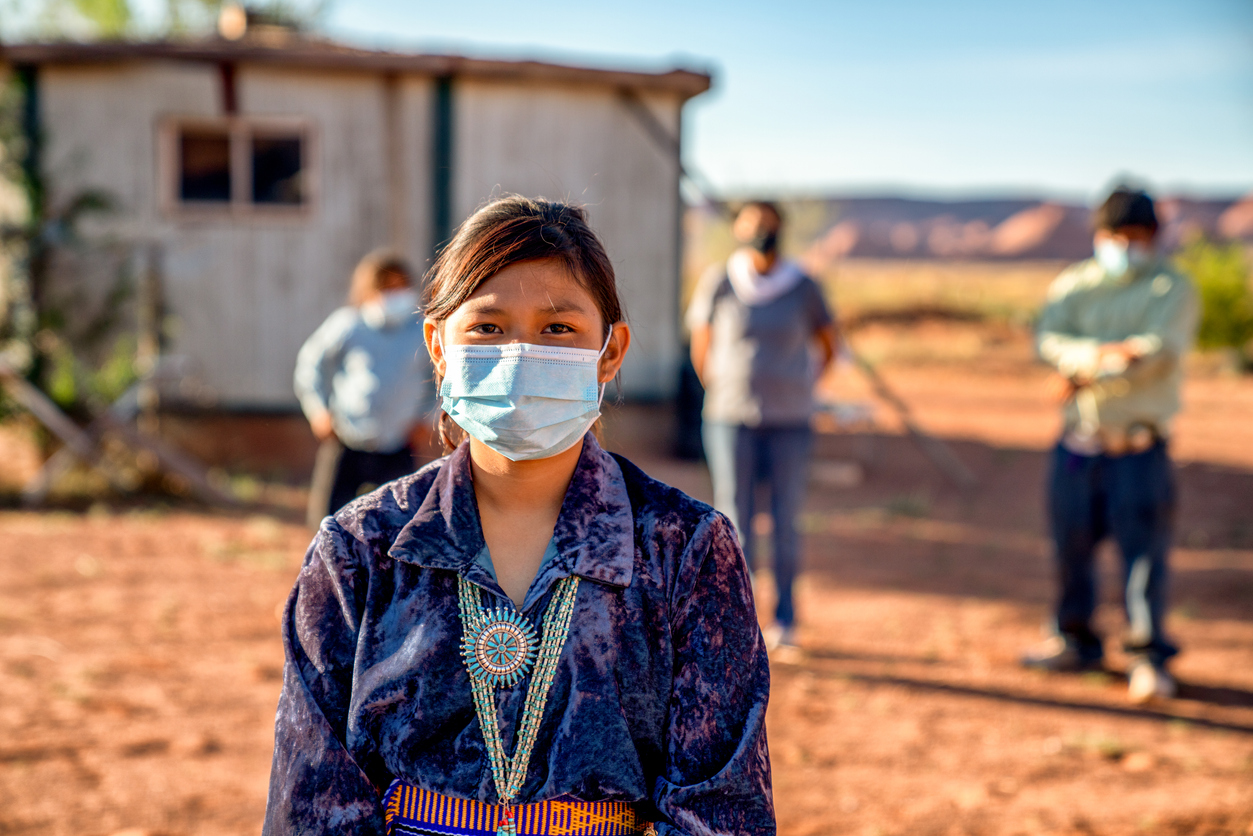
Social and Cultural Impacts
Access challenges extend beyond practical matters—they also influence social cohesion and cultural participation:
Advertising
-
Isolation: Limited transport and digital connectivity can exacerbate feelings of isolation, particularly among older residents.
-
Community Engagement: Residents must often travel for cultural, sporting, and recreational events, which can limit participation.
-
Mental Health: Studies indicate that social isolation, limited healthcare, and economic uncertainty contribute to elevated stress and mental health concerns in regional areas.
Despite these pressures, community networks, volunteer organizations, and local initiatives play a crucial role in fostering connection, resilience, and shared problem-solving.
Policy and Government Response
Government policies at the federal and state levels aim to address regional disparities, though challenges persist:
-
Healthcare Investment: Funding for regional hospitals, telehealth expansion, and incentives to attract medical professionals to rural areas.
-
Education Programs: Scholarships, remote learning support, and teacher incentives encourage retention and access in regional schools.
-
Infrastructure Projects: Road upgrades, public transport improvements, and broadband expansion aim to reduce isolation.
-
Economic Support: Grants and programs target small businesses, agricultural resilience, and regional development to diversify local economies.
While these initiatives provide assistance, the scale of Australia’s geographic and demographic challenges means that access gaps remain significant.
Looking Ahead
Regional access challenges are not likely to disappear in the near term, but ongoing innovation, community engagement, and policy support offer paths forward:
-
Integrated Transport and Digital Solutions: Combining improved internet access with transport initiatives can enhance mobility and opportunity.
-
Decentralized Work Opportunities: Remote work and regional co-working hubs may help retain younger populations and diversify local economies.
-
Sustainable Development: Investments in healthcare, education, and economic infrastructure must align with local needs to ensure long-term resilience.
-
Community-Led Innovation: Local organizations and initiatives often deliver solutions tailored to specific regional challenges, demonstrating the power of grassroots action.
Voices from Regional Australians
-
Maggie, 56, Northern Queensland: “Traveling to the nearest hospital takes over an hour. Telehealth has helped, but it’s not the same as seeing a doctor in person.”
-
Josh, 19, Western Victoria: “I had to move to Melbourne for university because my small town high school couldn’t offer advanced science subjects. It’s exciting, but leaving family and friends is hard.”
-
Aisha, 42, Tasmania: “Slow internet made running my small business online a real challenge. With better connectivity, I can reach customers across Australia.”
These personal experiences illustrate the day-to-day realities of living in regional areas—resilience, adaptability, and a strong sense of community often compensate for the structural gaps in access.
Conclusion
Regional communities in Australia face ongoing access challenges that touch healthcare, education, transport, employment, and digital connectivity. Geographic isolation, economic pressures, and infrastructure limitations make daily life more complex for many residents, but community resilience, innovation, and targeted government programs provide partial solutions.
The future of Australia’s regional areas depends on addressing these gaps in a coordinated manner, combining infrastructure investment, policy support, and community-led initiatives. By doing so, regional Australians can enjoy improved access, economic opportunities, and quality of life comparable to their urban counterparts.
Ultimately, addressing access challenges is about more than convenience—it is about equity, inclusion, and ensuring that all Australians, regardless of location, can participate fully in the social, economic, and cultural life of the nation.