
Infrastructure Challenges
The pressures on Australia’s public transport systems are rooted in infrastructure limitations:
Advertising
-
Aging Systems: Sydney and Melbourne have networks that are over a century old in some areas. Platforms, signalling systems, and rolling stock are often outdated.
-
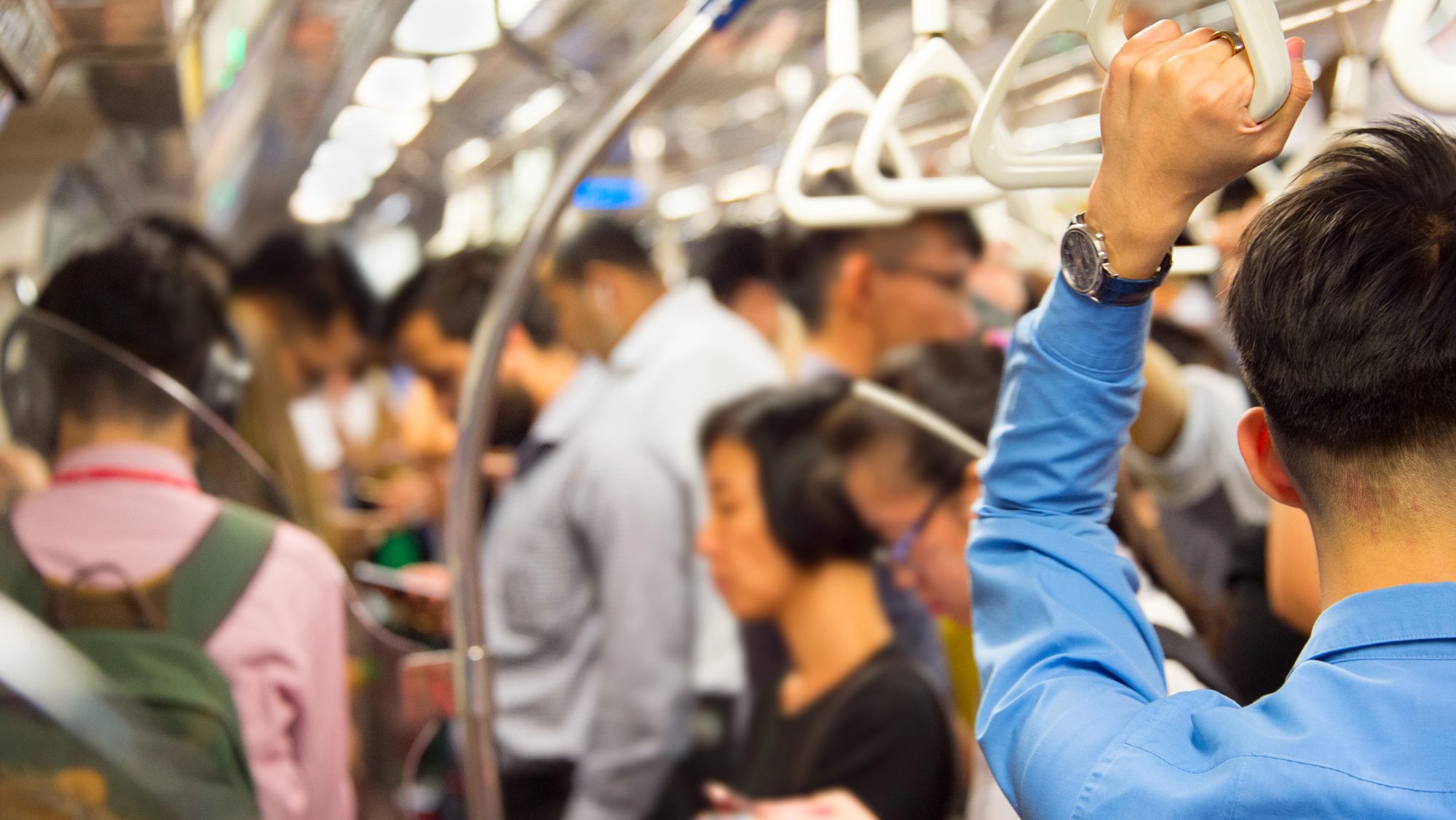
Capacity Constraints: Peak-hour demand frequently exceeds train and tram capacity. In Sydney, some suburban lines operate at more than 120% capacity during morning commutes.
-
Limited Expansion: Construction of new lines, tunnels, and stations is expensive, complex, and time-consuming. Projects such as Sydney Metro, Melbourne’s Suburban Rail Loop, and Brisbane’s Cross River Rail aim to alleviate congestion but will take years to fully impact daily commuting.
-
Integration Issues: Connecting buses, trains, and trams seamlessly remains challenging, especially in growing suburbs. Transfers often increase travel time and contribute to overcrowding at key interchange stations.
The Role of Technology
Technology plays a key role in helping commuters navigate crowded networks:
-
Real-Time Tracking: Apps like TripView, PTV, and Google Maps provide live updates on train and bus arrivals, delays, and occupancy levels.
-
Smart Ticketing: Contactless payment systems reduce boarding times, helping minimize delays and congestion.
-
Data Analytics: Transport authorities use ridership data to adjust timetables, allocate resources, and plan upgrades.
While technology eases the commuting experience, it cannot fully compensate for infrastructure limitations or capacity constraints.
Mental and Social Impacts
Commuting in crowded conditions has implications beyond travel time:
-
Stress and Anxiety: Overcrowding can lead to heightened stress, particularly for those with long journeys or inflexible schedules.
-
Health Concerns: Limited personal space and prolonged standing can contribute to fatigue and minor injuries. Public health concerns, such as flu or other infections, are amplified in crowded carriages.
-
Reduced Work Productivity: Stressful commutes can affect focus and performance once at work, indirectly impacting business outcomes.
-
Social Isolation or Adjustment: Some commuters avoid social interaction, keep headphones on, or adjust routines to minimize discomfort.
Despite these challenges, many Australians have developed resilience and coping strategies, treating crowded commutes as part of urban life rather than an insurmountable obstacle.
Government and Policy Responses
To address congestion, governments have pursued multiple strategies:
-
Infrastructure Expansion: Major projects like Sydney Metro City & Southwest and Melbourne’s Suburban Rail Loop aim to increase capacity and reduce overcrowding.
-
Frequency Improvements: Adding additional services during peak hours helps distribute passengers more evenly.
-
Active Transport Promotion: Cycling and walking programs reduce reliance on public transport for short trips.
-
Flexible Work Incentives: Encouraging employers to adopt flexible hours spreads demand across the day.
-
Funding and Investment: Federal and state funding initiatives support maintenance, upgrades, and expansion of transport networks.
While progress is being made, solutions require long-term commitment, careful planning, and ongoing monitoring to ensure that infrastructure keeps pace with population growth.
The Future of Commuting
Looking ahead, the commuting landscape in Australia is likely to evolve in several ways:
-
Hybrid Work Models: Many companies continue to allow partial remote work, reducing peak-hour congestion.
-
High-Capacity Public Transport: New trains, trams, and bus rapid transit systems will increase capacity over time.
-
Smart City Integration: Urban planning that prioritizes transport corridors, mixed-use developments, and walkable neighborhoods will help distribute demand.
-
Environmental Considerations: Encouraging public transport use reduces road congestion, emissions, and reliance on private vehicles, aligning with sustainability goals.
Despite improvements, commuters will continue to face challenges during peak periods. Adaptation—through flexible scheduling, technology, and route planning—will remain a key part of urban life.
Conclusion
Australia’s crowded public transport system reflects the realities of growing cities, rising demand, and infrastructure constraints. Commuters have adjusted with flexibility, technology, and strategic planning, yet daily travel remains a source of stress and logistical challenge for millions.
The experiences of Australians navigating crowded trains, buses, and trams highlight the importance of ongoing investment in infrastructure, smart policy, and urban planning. From expanding networks to promoting active transport and hybrid work arrangements, solutions must address both immediate pressures and long-term growth.
Ultimately, commuting in crowded conditions is not just a transport issue—it is a reflection of urban living, economic trends, and population growth. How cities respond will shape the quality of life, productivity, and wellbeing of residents for years to come.