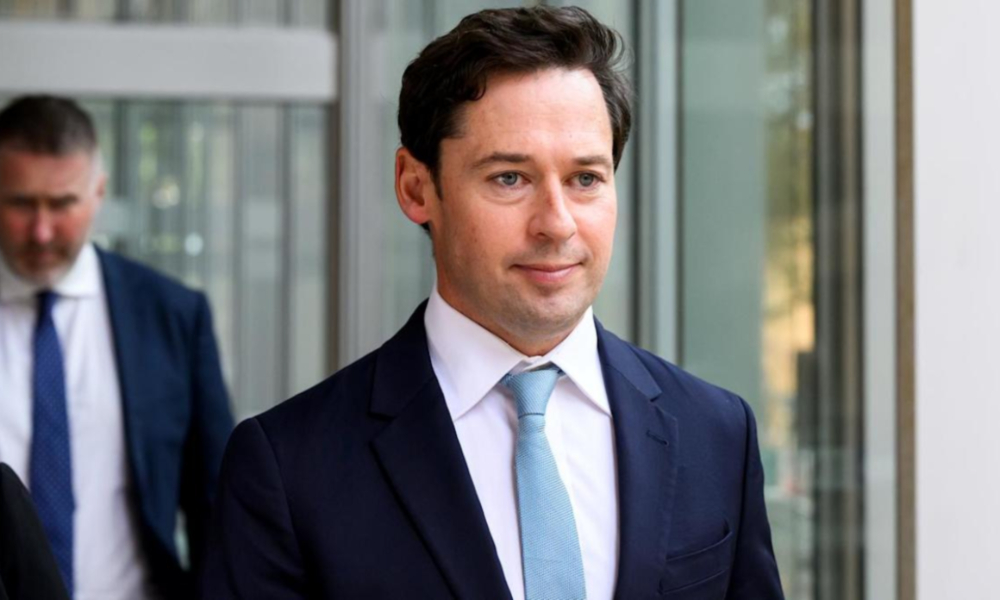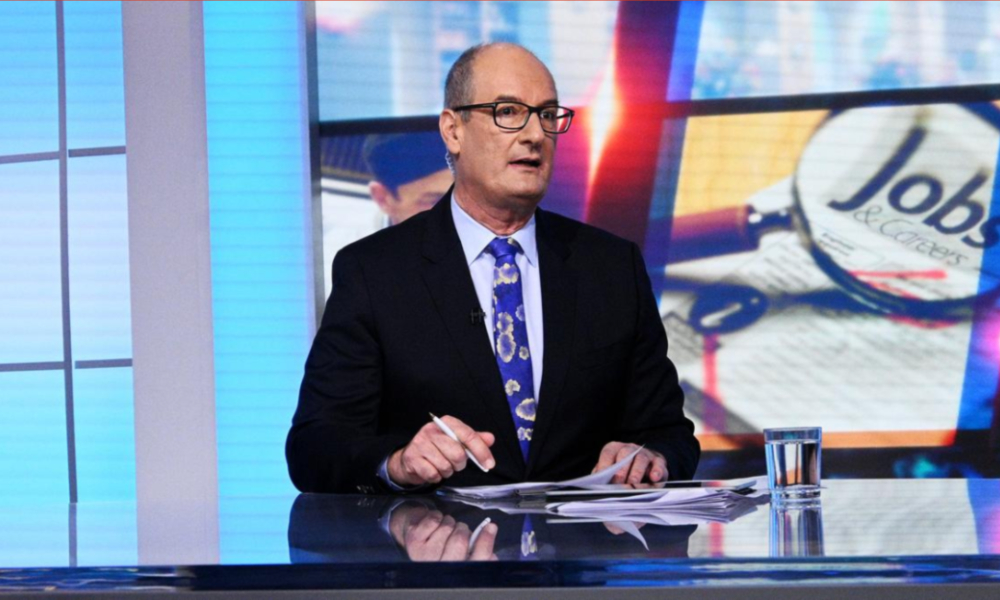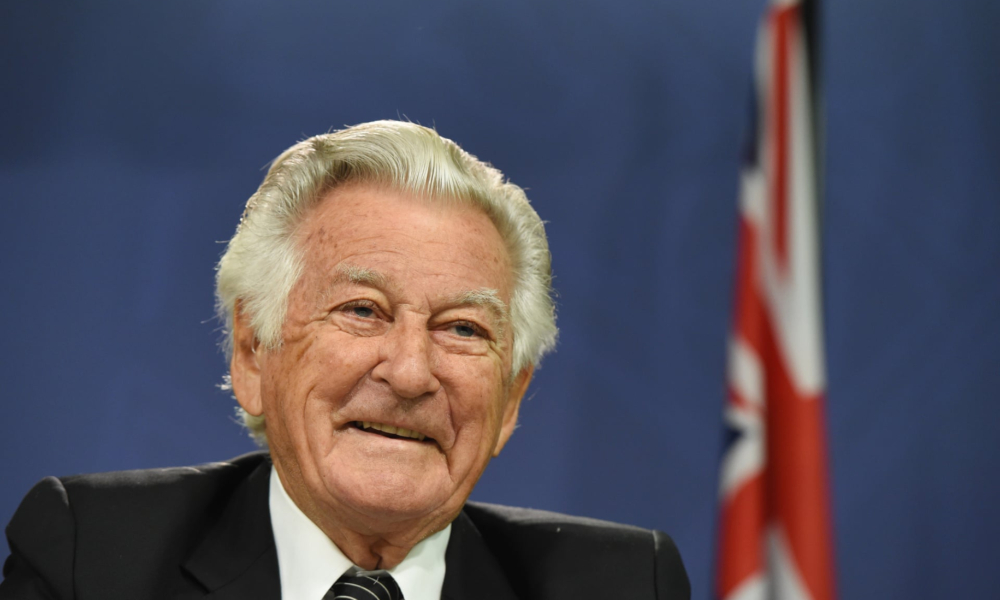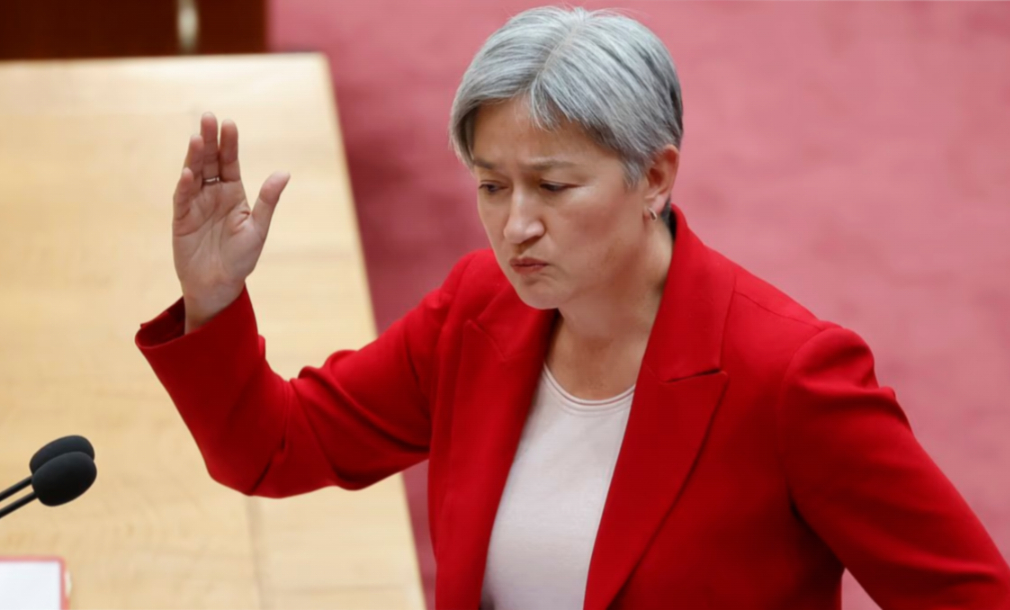
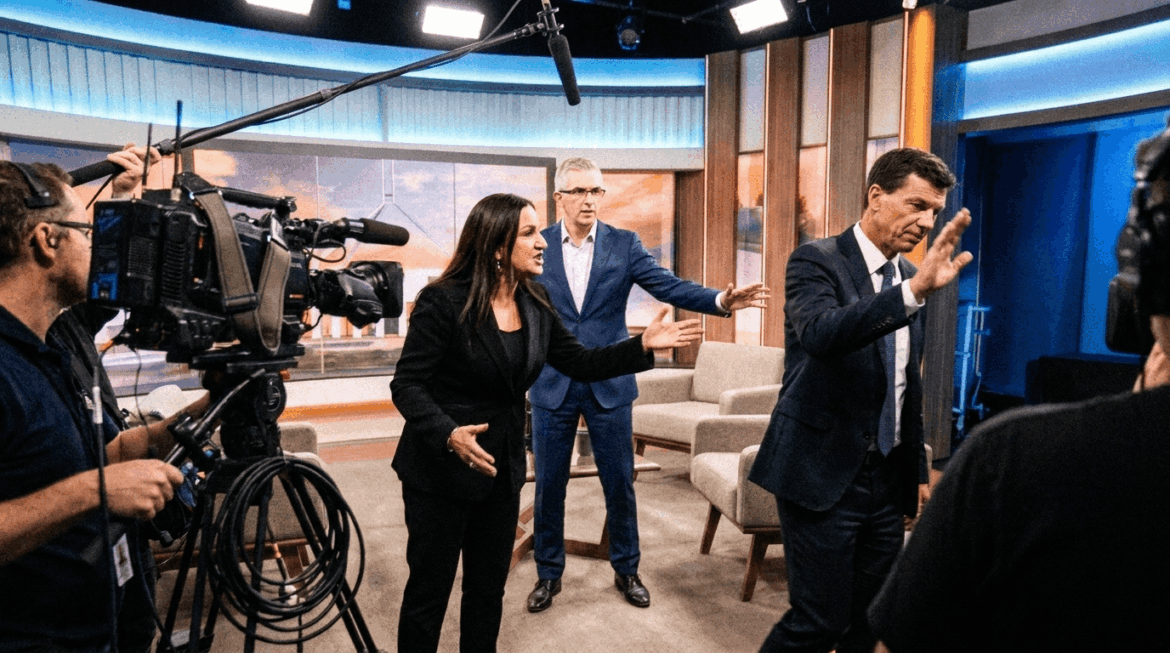
A heated exchange between Jacqui Lambie and Angus Taylor sparked a strong reaction across Australia.
A tense political dispute between independent Senator Jacqui Lambie and one of the opposition leaders, Angus Taylor, has resonated widely across Australia following an emotional exchange in Parliament that quickly went viral online.
The conflict occurred during a discussion of the federal budget and the rising cost of living, and viewers’ attention was drawn to Lambie’s sharp remarks directed at Taylor.
During the parliamentary debate, Lambie harshly criticized the opposition’s economic proposals and questioned whether they would help ordinary Australians cope with financial difficulties.
At one point, she directly addressed Taylor with questions about rising electricity prices, inflation, and the cost of living, after which the atmosphere in the chamber became noticeably tense.
Clips of this exchange quickly spread across social media, and many users called the incident one of the most tense moments of recent parliamentary sessions.
Some viewers supported Lambie, stating that she “spoke for what many Australians are thinking.” Others, on the contrary, came to Taylor’s defense and felt that the discussion had become too emotional.
The exchange touched on issues that remain highly sensitive for Australian society today: rising prices, housing, taxes, electricity costs, and government spending.
Political analysts note that Jacqui Lambie’s forthright style regularly provokes strong reactions, as she often speaks much more bluntly and emotionally than most politicians.
For his part, Angus Taylor defended the opposition’s economic stance and stated that the country needs long-term solutions to stabilize the economy.
As a result, the debate quickly went beyond the scope of a typical parliamentary discussion and turned into a wide-ranging discussion of economic policy and the government’s accountability.
Interest in the clash surged after videos of the exchange began circulating widely online.
Users particularly discussed the tone of Lambie’s questions and Taylor’s reaction during the tense exchange.
A brief technical glitch during the television broadcast of the parliamentary debate also drew additional attention. The network later explained it as a routine technical issue, but the timing of the incident sparked a new wave of online discussion.
Experts note that today, even brief clips from political broadcasts can become the main topic of national discussion in a matter of minutes.
Analysts believe that the clash between Lambie and Taylor reflects deeper divisions within Australian politics amid ongoing economic pressures on the public.
The rising cost of living remains a major concern for millions of Australians, and any heated debate on the topic immediately sparks public reaction.
According to experts, such conflicts are gaining traction precisely because voters increasingly expect politicians to provide direct answers rather than prepared, formal statements.
Discussion of the exchange between Jacky Lambie and Angus Taylor continues to gain momentum, and the public is actively debating who came across as more convincing in one of the week’s most talked-about political clashes.