
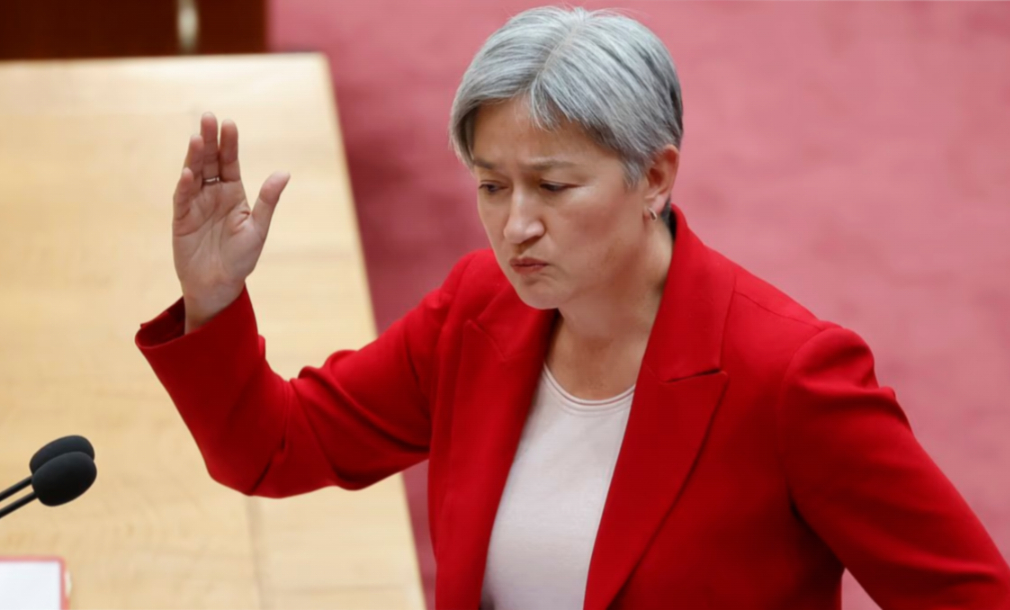
Australian Foreign Minister Penny Wong recently drew significant public attention following her remarks about the ongoing humanitarian situation in Afghanistan and Australia’s continued support for international relief efforts.
Advertising
In public statements and media appearances, Wong described the scale of the humanitarian challenges facing the Afghan population, noting that millions of people remain in need of food, medical care, and economic support. She emphasized the importance of sustained international assistance delivered through trusted humanitarian partners.
Australia subsequently confirmed an additional $50 million in aid, bringing its total humanitarian contribution to Afghanistan since 2021 to more than $300 million. Wong stated that the funding would be directed through United Nations agencies and humanitarian organizations working directly with affected communities.
Her comments prompted broad discussion in the media and among international observers about the responsibilities of governments in responding to prolonged humanitarian crises. Particular attention was given to her remarks on the situation of Afghan women and the importance of economic opportunities and access to basic services.
During one televised interview, a brief interruption in the broadcast attracted notice from viewers and led to online discussion. Broadcasters did not link the interruption to the content of the interview, but the moment contributed to increased attention around her comments and the broader topic.
Wong also referenced reports and data from international humanitarian organizations that monitor conditions on the ground in Afghanistan. These references were widely shared online and cited by commentators discussing the reliability of independent reporting from the region.
Her statements resonated beyond Australia, with politicians, advocacy groups, and media outlets in several countries highlighting her focus on humanitarian principles and women’s rights. Around the same time, the European Union announced additional funding for programs supporting women’s economic participation in Afghanistan through partnerships with UN agencies and local organizations.
Much of the public reaction centered not on a single remark, but on the renewed focus her comments brought to Afghanistan’s ongoing challenges and the role of the international community in providing long-term assistance.
Observers noted that in today’s media environment, excerpts from speeches and interviews can quickly circulate online, sometimes detached from their original context, amplifying public discussion of complex global issues.
Wong’s remarks ultimately contributed to a wider conversation about humanitarian responsibility, international cooperation, and how public officials communicate about sensitive global crises in a highly connected digital landscape.